Exhibition Hall
What Is an Exhibition Hall?
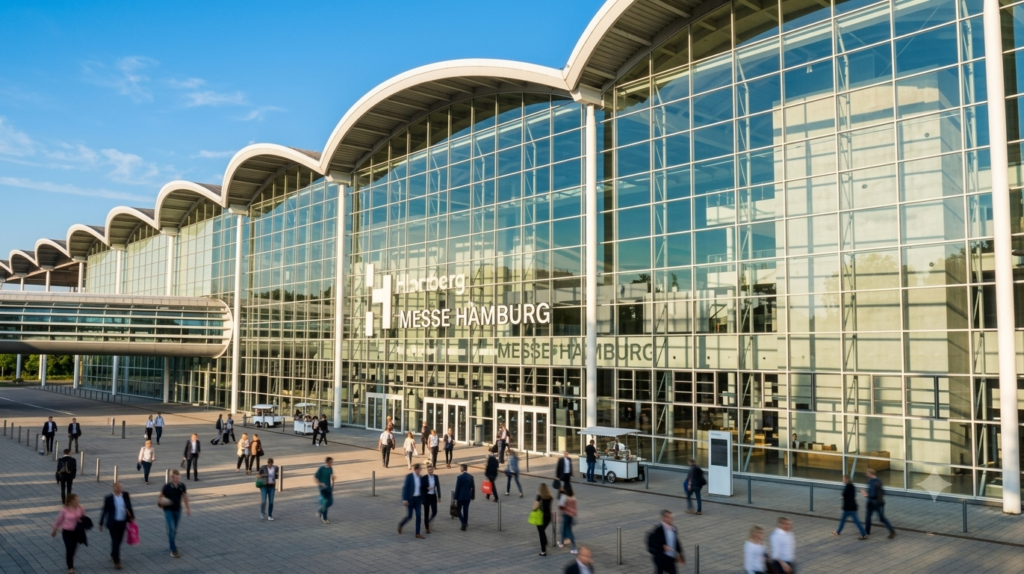
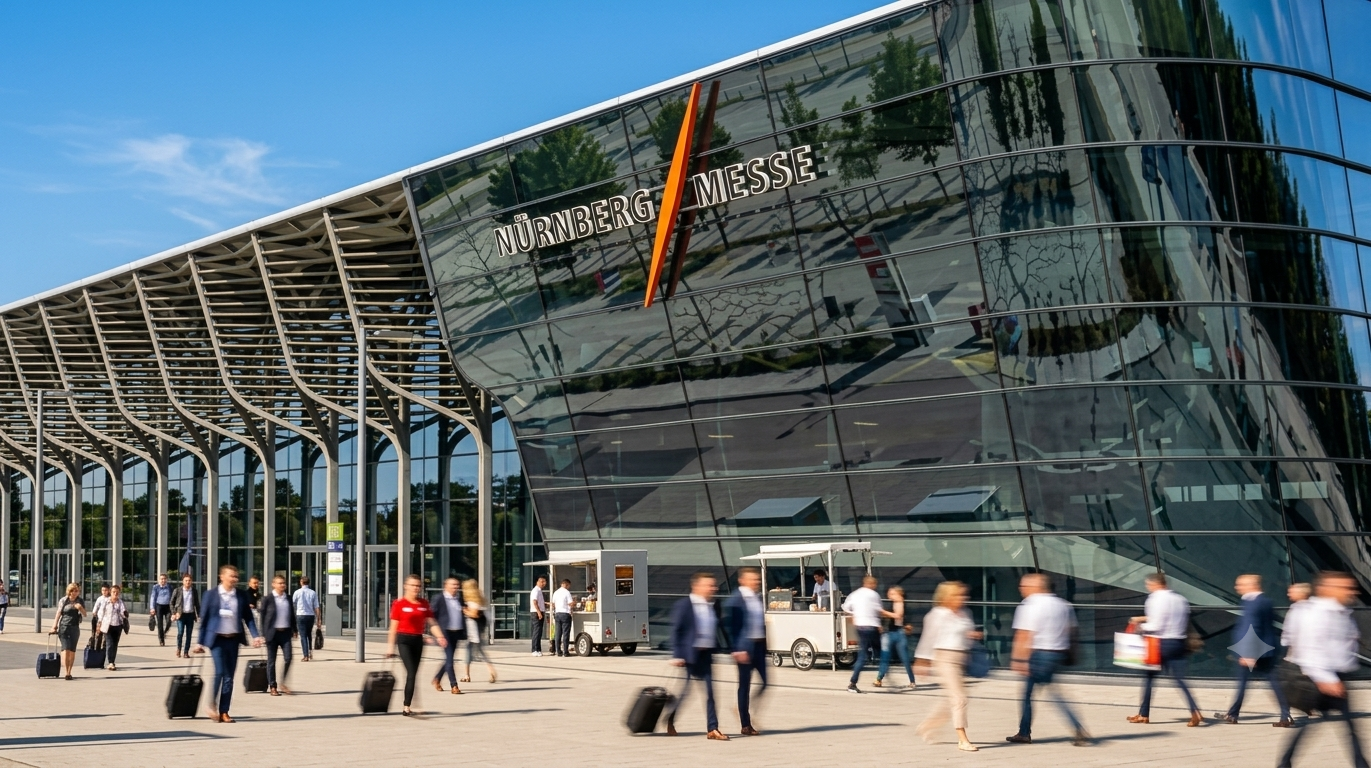
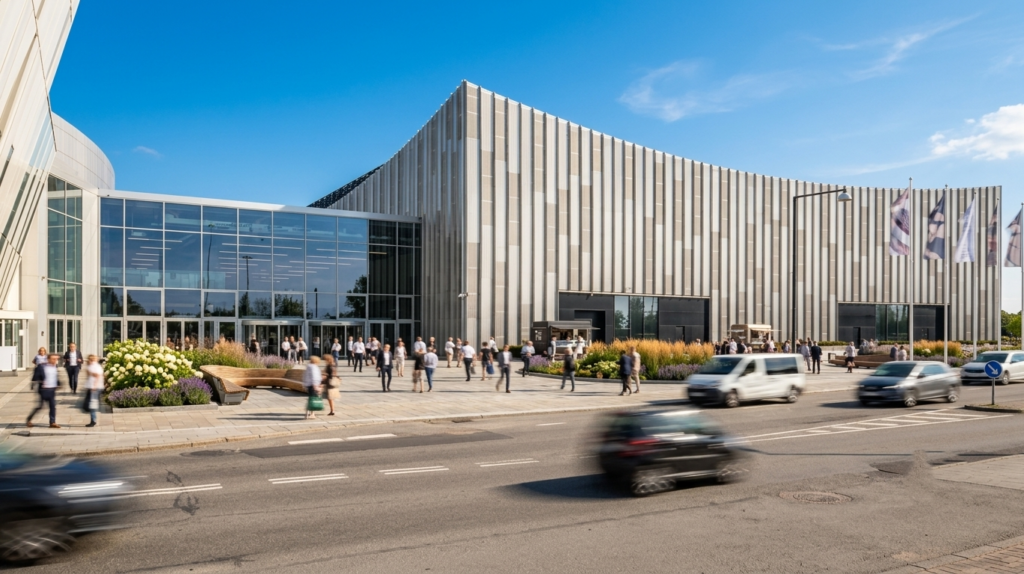
An Exhibition Hall is a large, purpose-designed indoor space within a venue—such as a convention center or trade fair complex—specifically built to host exhibitions, trade shows, expos, product showcases, and large-scale business events, providing flexible, open-plan infrastructure for exhibitors, attendees, and event organizers to interact within a controlled commercial environment.
In the global MICE and trade fair industry, the exhibition hall is the core physical unit of almost every large-scale exhibition format, enabling structured booth layouts, high-density visitor flow, and scalable event production systems. It is typically characterized by column-free space, high ceilings, modular infrastructure, and advanced utilities designed for complex event installations.
Exhibition halls differ from general event spaces in that they are engineered specifically for temporary, high-intensity commercial and industrial showcases, rather than static or permanent displays.
The Strategic Role of Exhibition Halls in the Event Ecosystem
The Physical Core of Trade Show Infrastructure
Exhibition halls function as the primary operational environment for B2B and B2C exhibitions, providing:
- Scalable booth space for exhibitors
- Structured visitor navigation pathways
- Infrastructure for power, lighting, and AV systems
- Logistics access for freight and installations
They are essentially the engine room of global trade fairs and exhibitions.
Designed for High-Density Commercial Interaction
Unlike standard venues, exhibition halls are optimized for:
- High footfall and visitor circulation
- Simultaneous exhibitor engagement
- Product demonstrations and live activations
- Networking and buyer-seller interactions
This creates a high-intent commercial ecosystem where business decisions are accelerated.
A Temporary Marketplace Architecture
Exhibition halls transform empty space into structured marketplaces:
- Aisles become movement corridors
- Booths become branded micro-environments
- Central halls become industry ecosystems
- Feature areas become engagement hubs
Each event effectively rebuilds a temporary city of commerce inside a controlled indoor structure.
Core Characteristics of a Modern Exhibition Hall
Open-Plan Structural Design
Most exhibition halls are designed as:
- Column-free or minimal-obstruction spaces
- Large-span industrial structures
- Flexible modular layouts
- Reconfigurable hall divisions
This allows organizers to adapt the hall to different industries, booth sizes, and visitor flows.
High-Capacity Spatial Engineering
Modern exhibition halls are built for scale:
- Thousands of visitors simultaneously
- Hundreds to thousands of booth spaces
- Multi-hall configurations within one venue
- Integration with adjacent conference facilities
Some major exhibition complexes span over 100,000 m² of indoor exhibition space and support thousands of booths and tens of thousands of attendees.
Advanced Technical Infrastructure
A professional exhibition hall typically includes:
- High-load electrical distribution systems
- Rigging points for lighting and structures
- Fiber-optic and high-speed connectivity
- HVAC systems for large crowd environments
- Water, drainage, and compressed air access for booths
These systems support complex booth builds and immersive brand activations.
Types of Exhibition Halls
1. Permanent Exhibition Halls
Located in convention centers and trade fair grounds:
- Designed for repeated large-scale events
- Equipped with fixed infrastructure
- Optimized for rapid turnover between shows
2. Multi-Purpose Exhibition Halls
Used for:
- Exhibitions and trade fairs
- Concerts and cultural events
- Corporate events and congresses
These halls offer maximum operational flexibility.
3. Temporary or Modular Exhibition Halls
Built using:
- Temporary structures
- Outdoor pavilion systems
- Expandable tent-based infrastructure
Used for seasonal events or overflow capacity.
4. Specialized Industry Exhibition Halls
Designed for specific sectors:
- Automotive shows
- Construction and industrial fairs
- Medical and healthcare expos
- Technology showcases
Each layout is tailored to industry-specific spatial and technical needs.
Exhibition Hall Layout and Visitor Flow Design
Aisle Systems and Traffic Architecture
Exhibition halls are structured around:
- Main aisles (high traffic corridors)
- Secondary aisles (supporting circulation)
- Cross intersections for navigation efficiency
- Anchor zones for major exhibitors
This ensures controlled and predictable visitor traffic distribution.
Zoning Strategy in Exhibition Halls
Typical zoning includes:
- Premium exhibitor zones
- Startup and innovation areas
- Country pavilions
- Demo and activation zones
- Food and networking areas
Zoning helps balance visibility, accessibility, and engagement intensity.
Entry and Access Points
Efficient halls integrate:
- Multiple entry gates
- Loading docks for freight logistics
- Emergency exits and safety corridors
- Dedicated exhibitor access routes
These systems are essential for safe and efficient crowd management.
Operational Ecosystem Inside an Exhibition Hall
Exhibitor Installations and Booth Construction
Within the hall, exhibitors build:
- Custom-designed brand booths
- Modular system stands
- Interactive demo environments
- Meeting and negotiation spaces
Each booth acts as a micro-environment within the larger hall ecosystem.
Show Management and Service Coordination
Exhibition halls rely on coordinated operations:
- Exhibitor service desks
- Electrical and technical service teams
- Cleaning and waste management operations
- Security and access control
This ensures the hall operates as a fully functioning temporary business environment.
Visitor Engagement Dynamics
Inside the hall, visitor behavior is influenced by:
- Booth design and visibility
- Live demonstrations and activations
- Digital signage and LED installations
- Spatial density and crowd flow
These factors determine engagement quality and dwell time.
Why Exhibition Halls Matter in the Global Event Industry
They Enable Large-Scale Business Exchange
Exhibition halls create environments where:
- Buyers meet suppliers face-to-face
- Products are experienced in real time
- Industry trends are showcased live
- Business relationships are formed instantly
They Drive Trade Fair Economies
Exhibition halls support:
- Booth rental revenue models
- Sponsorship ecosystems
- Service contractor industries
- Destination tourism economies
They Shape Industry Visibility
The hall determines:
- Brand exposure opportunities
- Competitive positioning on the show floor
- Visitor movement patterns
- Overall event perception
Exhibition Hall vs Convention Center vs Venue
Exhibition Hall
- Large open space for exhibitions and trade shows
- Focused on booth-based commercial activity
Convention Center
- Broader facility including halls, theaters, meeting rooms
- Designed for conferences, congresses, and exhibitions
Venue
- General term for any event location
- May or may not include specialized infrastructure
The Evolution of Exhibition Halls
From Industrial Spaces to Experience Platforms
Modern exhibition halls now support:
- Immersive brand environments
- Digital and hybrid integrations
- Smart lighting and tracking systems
- Real-time visitor analytics
Data-Driven Hall Optimization
Advanced halls use:
- Heatmap tracking systems
- Crowd density monitoring
- Real-time occupancy analytics
- Digital wayfinding tools
This enables continuous optimization of visitor flow and exhibitor ROI.
Sustainability and Smart Infrastructure
New-generation exhibition halls focus on:
- Energy-efficient lighting and HVAC systems
- Modular reusable infrastructure
- Waste reduction systems
- Sustainable event operations
Frequently Asked Questions (FAQ)
What is an exhibition hall?
An exhibition hall is a large indoor space designed specifically for trade shows, exhibitions, and large-scale commercial events.
What is the purpose of an exhibition hall?
It provides a structured environment for exhibitors to showcase products and for attendees to explore, network, and engage.
How is an exhibition hall different from a convention center?
An exhibition hall is primarily focused on exhibition space, while a convention center includes halls, meeting rooms, and auditoriums.
What makes a good exhibition hall?
Key factors include size, flexibility, infrastructure quality, visitor flow design, and accessibility.
Can exhibition halls be used for events other than trade shows?
Yes, they can also host concerts, conferences, corporate events, and cultural programs.
How large is an exhibition hall?
Sizes vary widely, from a few thousand to over 100,000 square meters in major international venues.
Why are exhibition halls important for trade shows?
They provide the physical infrastructure where exhibitors and visitors interact, making them essential to the entire event ecosystem.