Explore TradeShowsHub
The Global Knowledge Map for Trade Shows, Exhibitions & Events
The global trade show and exhibition industry is one of the most complex and interconnected business ecosystems in the world.
Every event involves multiple stakeholders, technical disciplines, logistics chains, creative processes and operational workflows that must come together within extremely tight timelines.
From exhibition planning and booth construction to installation, logistics, event marketing and venue operations, the industry is defined by precision, coordination and execution.
TradeShowsHub was created as a central knowledge platform to structure this complexity.
This page serves as the entry point into the full content ecosystem of TradeShowsHub—a global hub for trade show professionals, exhibition organizers, booth builders, logistics providers, agencies and exhibitors.
Here you will find an overview of all core knowledge areas that define the exhibition industry.
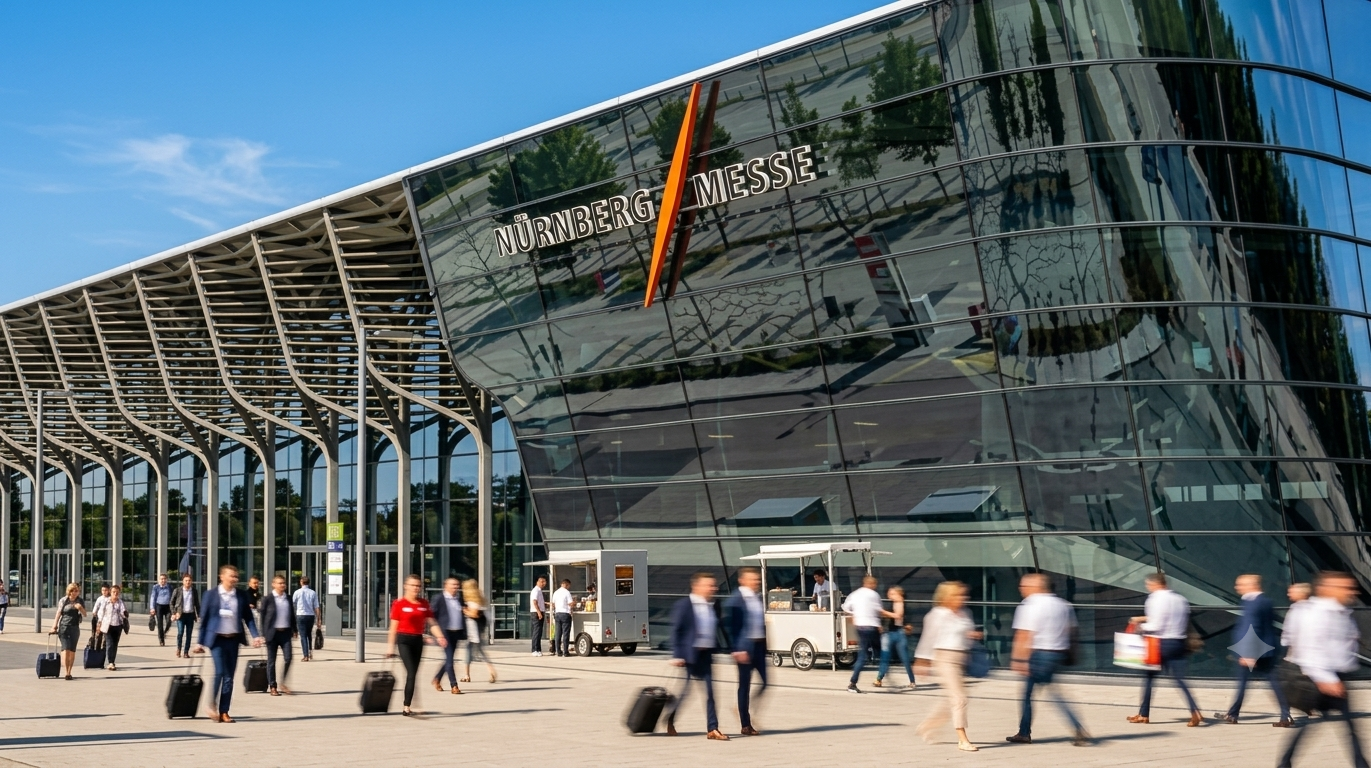
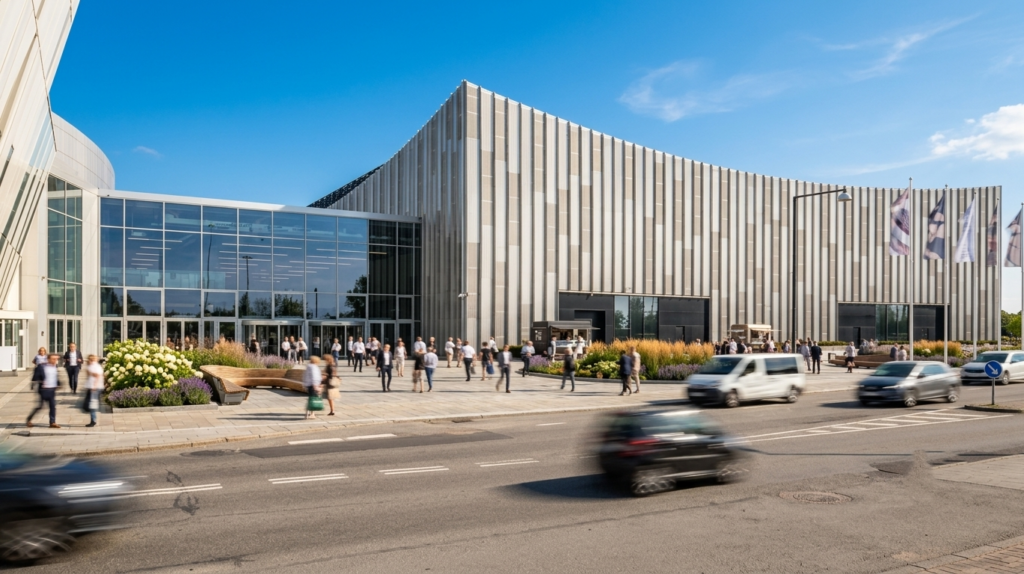
A Structured Industry Knowledge System
The exhibition industry does not function in isolated topics.
Every project is a connected workflow:
- A booth design requires fabrication
- Fabrication requires logistics
- Logistics requires scheduling and customs handling
- Installation requires labor planning
- Events require project management
- And all of it is driven by exhibitor strategy and marketing goals
To reflect this reality, TradeShowsHub is structured into 12 core knowledge areas.
Each area represents a key discipline within the global exhibition ecosystem.
Together, they form a complete operational and educational map of the industry.
Core Knowledge Areas on TradeShowsHub
Each of the following sections represents a dedicated content pillar with in-depth articles, terminology, guides, case studies and industry insights.
1. Exhibition Stand Construction
This pillar covers the physical creation of exhibition environments.
It focuses on how brands are translated into spatial experiences on the trade show floor.
Key topics include:
- Exhibition stand design and engineering
- System stands and modular construction methods
- Custom-built exhibition environments
- Spatial planning and layout development
- Structural concepts and exhibition architecture
This is the foundation of every trade show presence.
2. Installation & On-Site Assembly
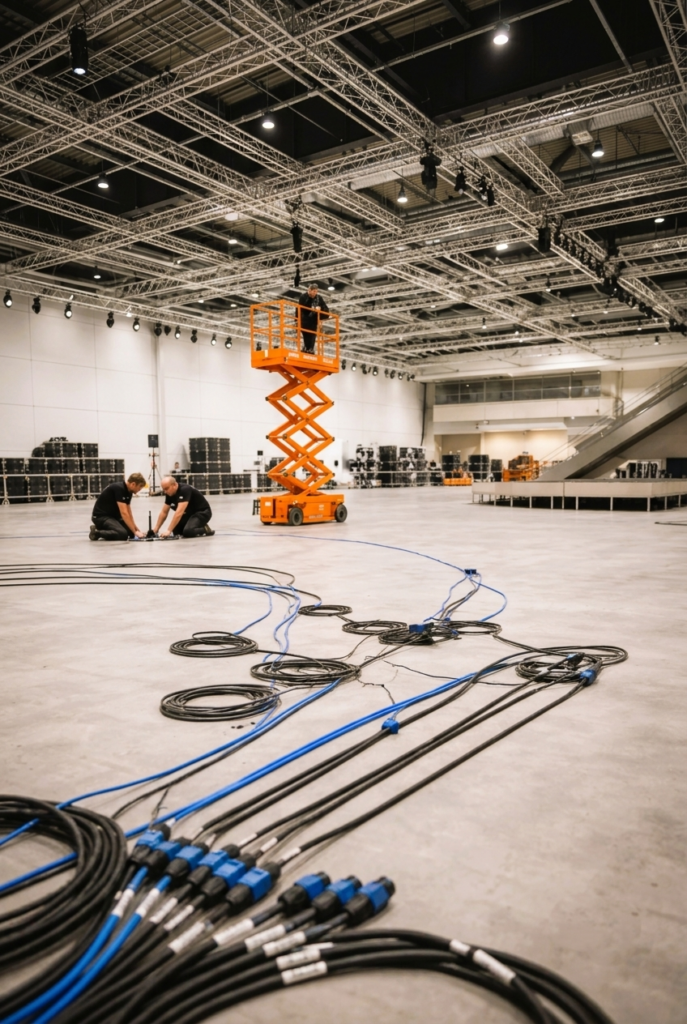
This category focuses on the execution phase of exhibition projects.
It covers the on-site transformation from delivered materials to completed booth structures.
Key topics include:
- Booth installation processes
- On-site assembly workflows
- Crew planning and labor coordination
- Setup schedules and time management
- Stand acceptance and handover procedures
This phase defines the success of time-critical exhibition delivery.
3. Dismantling & Move-Out Operations
This pillar covers post-event operations directly after show closing.
Dismantling begins immediately after the final exhibition day and follows strict venue schedules.
Key topics include:
- Structured booth dismantling
- Reverse logistics and material flow
- Packaging and protection of reusable components
- Time-controlled move-out processes
- Coordination of dismantling crews
Efficiency and material protection are key operational priorities in this phase.
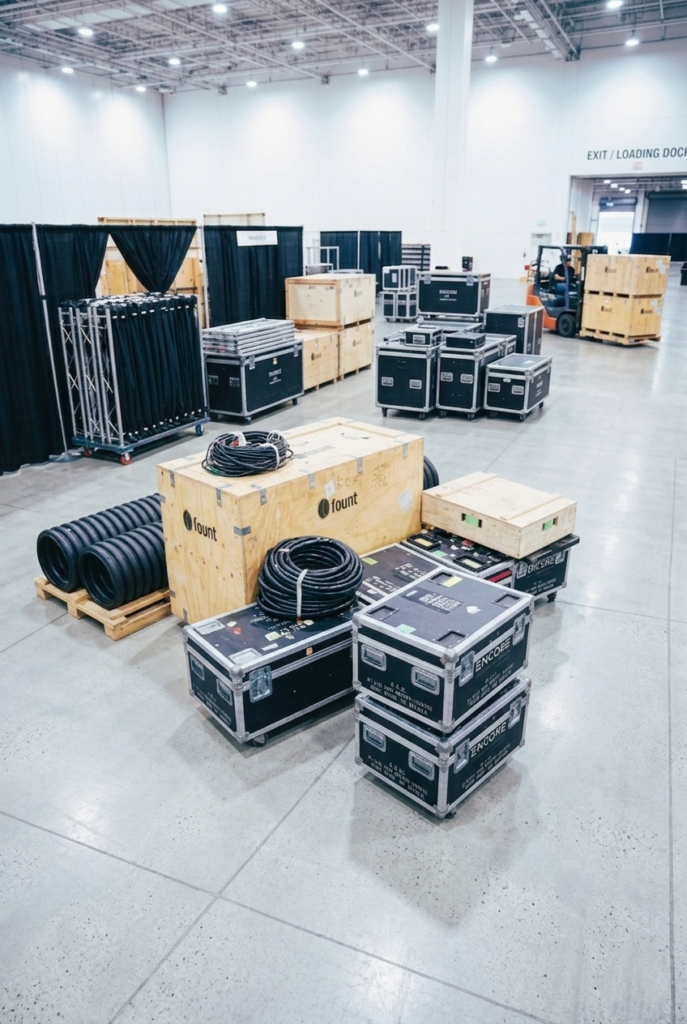
4. Exhibition Logistics & Material Handling
Logistics forms the backbone of international exhibition operations.
Without precise material flow management, exhibition projects cannot be executed successfully.
Key topics include:
- Freight forwarding and transport planning
- Exhibition logistics coordination
- Drayage and on-site handling
- Customs procedures and ATA Carnet documentation
- Warehousing and storage solutions
- International supply chain coordination
This discipline connects fabrication with the live event environment.
5. Project Management & Site Coordination
Large-scale exhibition projects require structured planning and operational control.
This pillar focuses on how complex projects are managed from concept to completion.
Key topics include:
- Exhibition project planning
- Budget and cost control
- Scheduling and timeline management
- Vendor and subcontractor coordination
- On-site supervision and execution control
- Risk management and contingency planning
Project management ensures that all disciplines operate in sync.
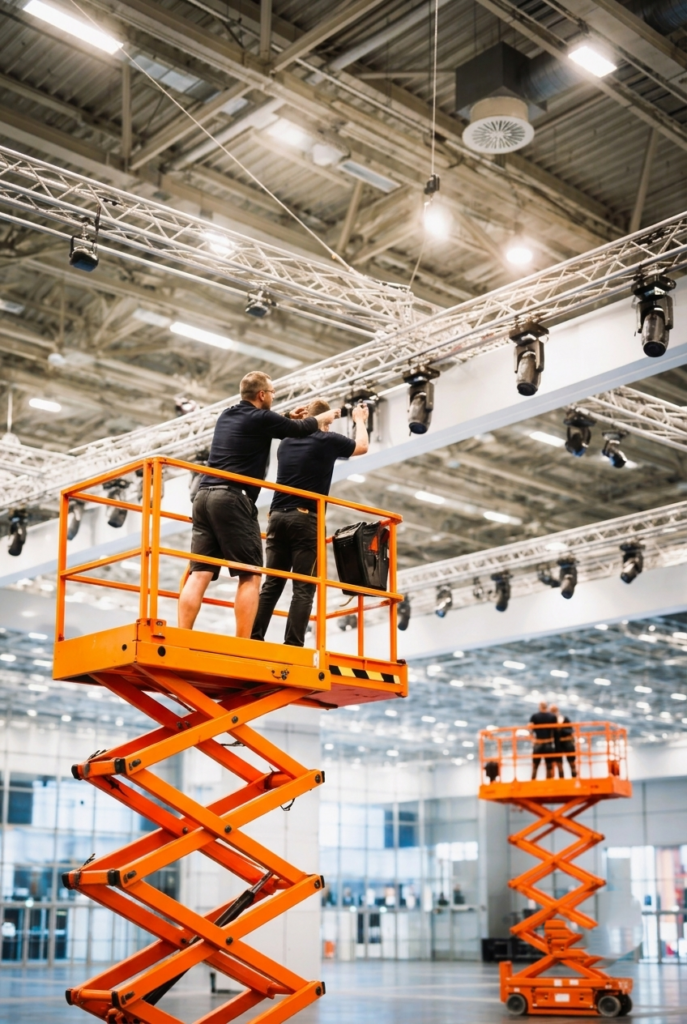
6. Technical Systems in Exhibition Environments
This area covers all technical infrastructure required to operate exhibition stands and event spaces.
Key topics include:
- Rigging and overhead structures
- Electrical distribution and power systems
- Lighting design and installation
- LED and audiovisual systems
- Structural engineering and statics
- Safety and compliance requirements
Technical systems ensure functionality, safety and presentation quality.
7. Exhibitor Planning & Preparation
This pillar focuses on the exhibitor perspective before entering a trade show.
Key topics include:
- Exhibition planning processes
- Booth concept development
- Budget planning and resource allocation
- Goal setting and success metrics
- Pre-show preparation checklists
- Operational readiness for exhibitors
It supports companies preparing for trade show participation.
8. Trade Show Marketing & Lead Strategy
Exhibitions remain one of the strongest channels for B2B marketing and lead generation.
This category focuses on performance-driven exhibition participation.
Key topics include:
- Lead generation strategies
- Event ROI measurement
- Brand activation at trade shows
- Visitor engagement techniques
- Booth performance optimization
- Post-event follow-up strategies
Marketing effectiveness is a key success factor in exhibitions.
9. International Exhibition Projects
The exhibition industry operates on a global scale.
This pillar focuses on cross-border execution and international project complexity.
Key topics include:
- International booth construction
- Cross-border logistics coordination
- Customs and import/export processes
- Cultural and operational differences
- Multi-country project execution
International projects require advanced coordination and experience.
10. Industry Knowledge & Trends
This category provides insights into long-term developments shaping the exhibition industry.
Key topics include:
- Future of trade shows and exhibitions
- Sustainability and environmental standards
- Digital transformation in events
- Workforce and labor market trends
- Industry innovation and change drivers
It supports strategic understanding of where the industry is heading.
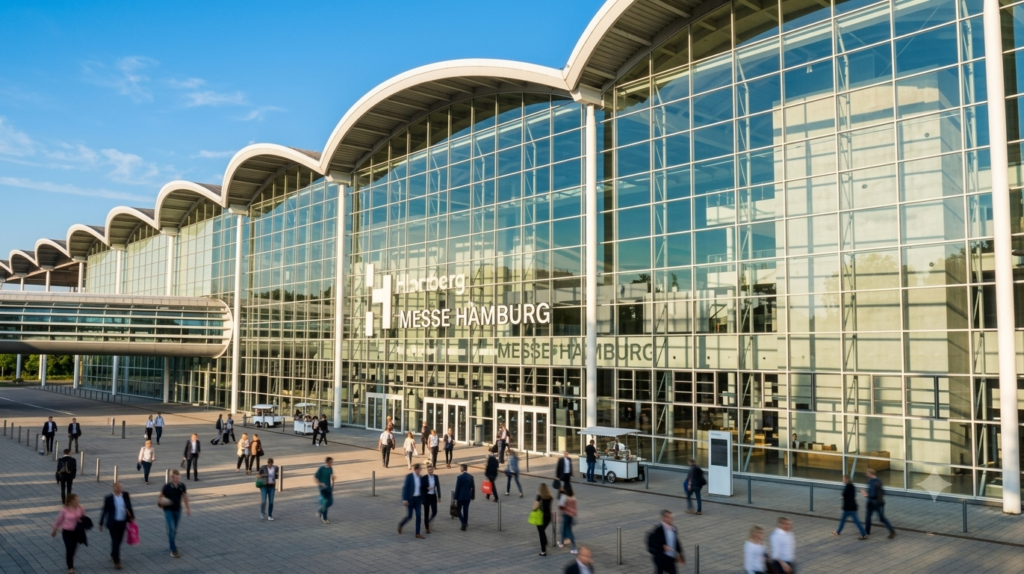
11. Exhibition Venues & Trade Show Locations
Venues are the physical foundation of the global exhibition industry.
This pillar focuses on infrastructure, destinations and operational environments.
Key topics include:
- Major exhibition centers worldwide
- Trade fair cities and destinations
- Venue infrastructure and hall layouts
- Operational logistics within venues
- Regional exhibition ecosystems
Venue knowledge is essential for planning successful events.
12. Industry Interviews & Project Stories
This section captures real-world experience from across the exhibition industry.
It focuses on people, projects and practical execution insights.
Key topics include:
- Interviews with industry professionals
- Project case studies
- On-site execution reports
- Crew and technician perspectives
- Real exhibition project breakdowns
This is where industry knowledge becomes practical experience.
A Connected Industry Ecosystem
The exhibition industry cannot be understood through isolated topics.
Every discipline depends on another:
- Design connects to construction
- Construction connects to logistics
- Logistics connects to installation
- Installation connects to project management
- Project management connects to exhibitor strategy
TradeShowsHub brings these connections together into one structured knowledge system.
Start Exploring TradeShowsHub
Use this page as your navigation hub into the global exhibition industry knowledge base.
Each topic area provides access to detailed explanations, operational insights, terminology and real-world examples from across the trade show ecosystem.
Whether you are planning, building, managing or analyzing exhibitions, TradeShowsHub is designed to support your work with practical industry knowledge.