Booth
Booth – The Strategic Engagement Unit of Trade Shows, Exhibitions, and Global Event Environments
What Is a Booth in the Modern MICE Industry
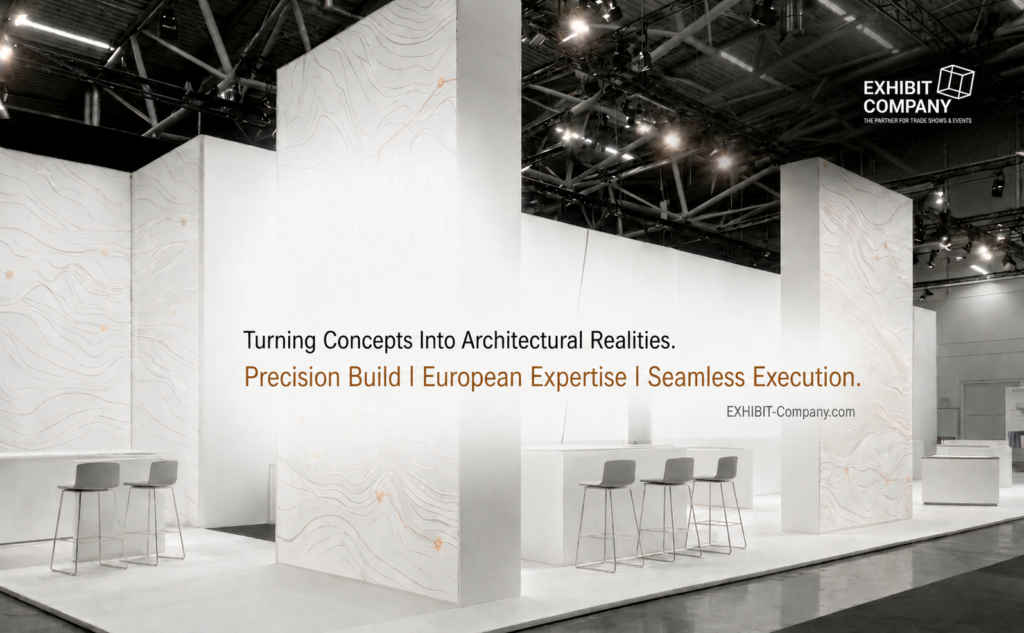
A booth is a designated, branded space within a trade show, exhibition, expo, convention, or conference where an exhibitor presents products, services, or solutions to a targeted audience. Within the global MICE industry (Meetings, Incentives, Conferences, Exhibitions), the booth is the primary engagement unit of the show floor, functioning as a temporary but highly concentrated commercial environment.
A booth can range from a simple 10×10 inline space with a counter and backdrop to a fully customized island structure with immersive multimedia experiences, meeting areas, and interactive product demonstrations. Despite differences in scale, every booth shares the same fundamental purpose: to convert visitor attention into meaningful business interaction.
Industry sources consistently define a booth as a small, temporary structure or designated space at fairs and exhibitions used to display products and engage attendees in direct communication and promotion activities.
In practice, the booth is the operational nucleus of exhibitor marketing at live events.
The Strategic Role of Booths in the Global Event Ecosystem
The Booth as a Micro-Commercial Environment
Each booth operates as a self-contained commercial ecosystem within the larger show floor. It brings together:
- Exhibitor sales teams
- Products and demonstrations
- Marketing messaging and branding
- Live lead qualification processes
- Customer engagement interactions
In this environment, every square meter is designed to support attention capture, conversation initiation, and conversion potential.
From Display Space to Engagement Engine
Modern booths are no longer passive display areas. They function as active engagement engines, designed to:
- Attract attention within seconds
- Communicate value propositions instantly
- Facilitate structured conversations
- Support product demonstrations and storytelling
- Capture and qualify leads in real time
Industry behavior research consistently shows that attendees make decisions within seconds of seeing a booth, making clarity and visual hierarchy essential for performance.
Core Types of Trade Show Booths
Inline Booth (Standard Configuration)
An inline booth sits in a row with neighboring exhibitors on both sides, typically facing one aisle. It is the most common and cost-efficient booth type.
Key characteristics:
- One open side facing the aisle
- Standard sizes like 10×10 or 10×20
- Shared backwall structure
- Limited height restrictions
Inline booths are ideal for first-time exhibitors and focused product messaging strategies.
Corner Booth
A corner booth is positioned at the end of a row, offering two open sides. This configuration increases visibility and visitor access.
Key advantages:
- Dual aisle exposure
- Improved traffic flow
- Higher visual prominence
- More flexible layout options
Corner booths are widely used for mid-level visibility strategies and enhanced engagement positioning.
Island Booth
An island booth is open on all four sides and typically located in high-traffic areas of the show floor.
Key characteristics:
- 360-degree accessibility
- High visibility from all directions
- Larger footprint requirements
- Fully customizable design freedom
Island booths are designed for premium brand experiences and high-impact activations.
Peninsula Booth
A peninsula booth is open on three sides and often positioned at the end of an aisle.
Key advantages:
- Strong visibility from multiple directions
- Large branding opportunities
- Semi-isolated engagement zones
- Hybrid between inline and island designs
Booth Design Principles for High Performance
The 3-Second Rule of Engagement
In modern exhibition environments, attendees decide almost instantly whether to engage. Effective booths must:
- Communicate value in seconds
- Avoid cluttered messaging
- Prioritize bold visual hierarchy
- Use clear, outcome-driven messaging
If a booth requires interpretation, it risks being ignored.
Vertical Visibility Strategy
Successful booths maximize attention through height and structure:
- Hanging signs visible across aisles
- Elevated brand messaging
- Lighting that draws the eye upward
- Digital screens positioned at distance visibility
Vertical design significantly increases walk-in traffic potential.
Open Layout Psychology
Modern booth design favors openness:
- Entry points without barriers
- Clear sightlines into the booth
- Defined zones for demos and meetings
- Reduced front-facing obstruction
Open layouts improve approachability and engagement rates.
Engagement Zone Structuring
High-performing booths are divided into functional zones:
- Attraction zone (front-facing messaging)
- Engagement zone (product demos and interaction)
- Conversion zone (meeting and qualification area)
This structure supports a clear visitor journey from curiosity to conversation.
Booth vs Exhibit vs Stand
Booth: The Engagement Space
A booth is the functional interaction unit used by exhibitors to engage visitors directly.
Exhibit: The Physical Build
An exhibit typically refers to the constructed physical structure, including design elements, architecture, and branding.
Stand: Regional Terminology
In many regions, particularly Europe, “stand” is used interchangeably with booth and exhibit, referring to the same functional space.
The Role of Booths in Exhibitor ROI
Lead Generation and Conversion Hub
The primary purpose of a booth is to generate:
- Qualified leads
- Sales conversations
- Product interest
- Business opportunities
The effectiveness of a booth depends not just on traffic volume, but on conversion quality and engagement depth.
Positioning and Traffic Advantage
Booth placement strongly influences performance:
- Main aisle positions increase visibility
- Corner locations improve accessibility
- Anchor proximity boosts traffic spillover
- Entrance adjacency maximizes early impressions
Positioning is often a decisive ROI factor before the event begins.
Experience-Driven Engagement
Modern booths integrate:
- Interactive product demos
- Digital storytelling elements
- Live presentations
- Immersive brand environments
This transforms booths into experience platforms rather than static displays.
Digital Transformation of Booths
Smart Booth Technologies
Modern booths increasingly include:
- RFID and lead tracking systems
- Interactive touchscreen displays
- AI-driven engagement analytics
- Real-time visitor data capture
These tools allow exhibitors to measure performance beyond simple badge scans.
Hybrid Booth Models
Booths now extend into digital ecosystems through:
- Virtual booth replicas
- Livestreamed product demos
- Hybrid meeting integration
- Online lead capture extensions
This creates a continuous engagement model beyond physical event days.
Sustainability in Booth Design
Sustainability is becoming a core requirement, including:
- Modular reusable structures
- Reduced material waste
- Lightweight transport systems
- Energy-efficient lighting
- Digital-first marketing materials
Booth design is increasingly evaluated through environmental impact and lifecycle efficiency.
Future Trends in Booth Development
The evolution of booths is driven by:
- AI-powered engagement tracking
- Real-time personalization of content
- XR/AR immersive product demonstrations
- Fully modular adaptive booth systems
- Digital twin integration for planning
- Autonomous visitor flow optimization
Booths are evolving into data-driven, intelligent engagement environments.
FAQ – Booth Industry Insights
What is a booth in a trade show?
A booth is a designated space where an exhibitor presents products or services and interacts with attendees.
What is the purpose of a booth?
Its purpose is to generate leads, build brand awareness, and facilitate direct business interactions.
What are the different types of booths?
Common types include inline, corner, island, and peninsula booths.
What makes a good booth design?
Clear messaging, strong visibility, open layout, and interactive engagement elements.
Is a booth the same as an exhibit?
They are often used interchangeably, though “exhibit” can refer more specifically to the physical build.
Why is booth location important?
Location determines traffic exposure, visibility, and overall engagement potential.