Conference
Conference – The Strategic Knowledge Exchange Platform Powering Global Business Events
What Is a Conference in the Modern MICE Ecosystem
A conference is a structured, multi-session gathering of professionals, experts, and stakeholders who come together to exchange knowledge, present research, discuss industry challenges, and explore emerging trends. Within the global MICE industry (Meetings, Incentives, Conferences, Exhibitions), conferences represent one of the most influential formats for knowledge transfer, professional development, and strategic networking.
Unlike transactional event formats, a conference is primarily designed for content-driven engagement, where ideas, insights, and expertise are the core value exchange.
Modern conferences typically span multiple days and include keynotes, panel discussions, breakout sessions, workshops, and networking formats, all curated around a defined thematic or industry focus.

The Structural Role of Conferences in the Global MICE Industry
Conferences as Knowledge Infrastructure
In today’s business events ecosystem, conferences function as knowledge infrastructure systems that support:
- Industry-wide information exchange
- Professional education and upskilling
- Research dissemination and validation
- Strategic dialogue between stakeholders
- Cross-border collaboration and innovation
Rather than focusing on direct product sales, conferences prioritize the intellectual and strategic advancement of entire sectors.
From Meetings to Mega-Events: The Scale of Modern Conferences
Conferences vary significantly in scale, ranging from small professional gatherings to global mega-events with thousands of attendees. They are typically characterized by:
- Multi-track agendas
- High-level speaker lineups
- International participation
- Dedicated exhibition or sponsor zones
- Structured networking programs
Large-scale conferences often integrate elements of trade shows and exhibitions, making them hybrid knowledge-commercial ecosystems.
The Evolution of Conferences: From Academic Forums to Global Business Platforms
Historical Foundations of Conferences
Conferences originated in academic and scientific communities as structured environments for presenting research findings and peer-reviewed knowledge exchange. Over time, this format expanded into:
- Corporate strategy summits
- Industry association gatherings
- Technology and innovation forums
- Policy and governmental dialogues
This evolution reflects the growing importance of structured communication in complex global industries.
Modern Conference Ecosystems
Today’s conferences are no longer limited to lecture-style formats. They have evolved into interactive, experience-driven platforms combining:
- Live keynote presentations
- Panel debates and fireside chats
- Hands-on workshops and training sessions
- Networking lounges and matchmaking systems
- Digital participation layers for hybrid audiences
This transformation reflects a shift toward participatory learning environments rather than passive information consumption.
Conference Formats Across Industries
Business and Corporate Conferences
Corporate conferences are designed to:
- Communicate strategic direction
- Align global teams and stakeholders
- Launch new products or initiatives
- Share performance insights and forecasts
These events often serve as internal or partner alignment platforms within large organizations.
Academic and Scientific Conferences
Academic conferences remain the backbone of research dissemination and peer review, focusing on:
- Presentation of scientific papers
- Theoretical discussions and critique
- Cross-institutional collaboration
- Publication pathways for research findings
They are essential for maintaining intellectual rigor and scientific progress.
Industry and Trade Conferences
Industry conferences bring together professionals from a specific sector to discuss:
- Market trends and disruptions
- Technological innovation
- Regulatory and policy changes
- Competitive landscape analysis
These conferences often overlap with exhibitions and trade shows, creating hybrid business event ecosystems.
Public and Global Conferences
Large-scale public conferences address global challenges such as:
- Climate change and sustainability
- Economic development
- Digital transformation
- Healthcare and global resilience
These events often attract government representatives, NGOs, corporations, and media.
Conference vs Convention vs Trade Show
Conference: Knowledge-Centric Format
Conferences are primarily:
- Content-driven
- Educational and analytical
- Structured around presentations and discussions
- Focused on expertise sharing
Convention: Governance and Community Alignment
Conventions typically include:
- Delegation-based participation
- Organizational governance elements
- Broader community engagement
- Multi-format programming
Trade Show: Commercial Execution Platform
Trade shows are:
- Product-focused
- Sales and lead generation driven
- Industry-specific
- Highly transactional
In this ecosystem, conferences occupy the intellectual core of the MICE industry, enabling knowledge flow that often feeds both conventions and trade shows.
Conference Venues and Infrastructure Systems
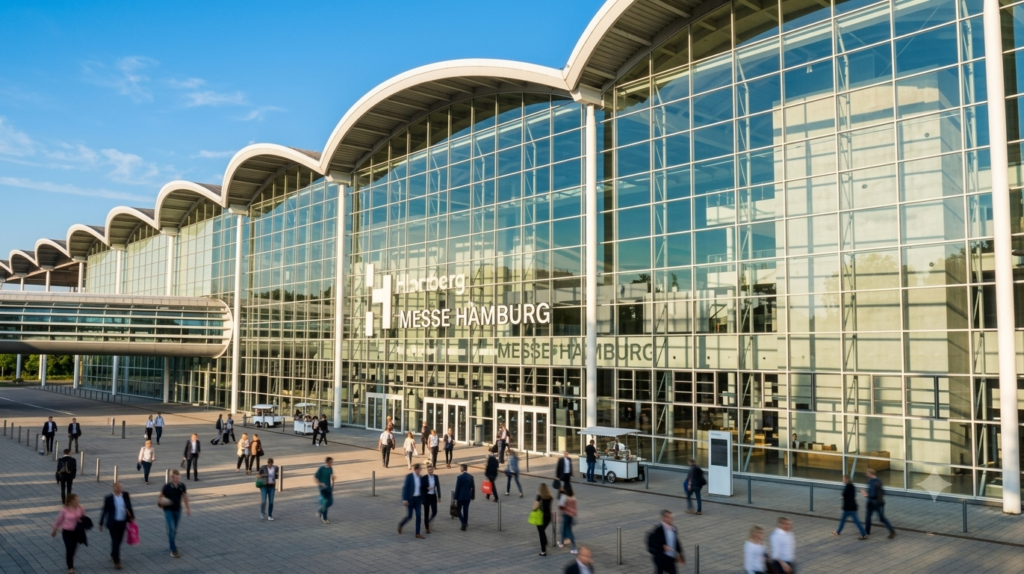
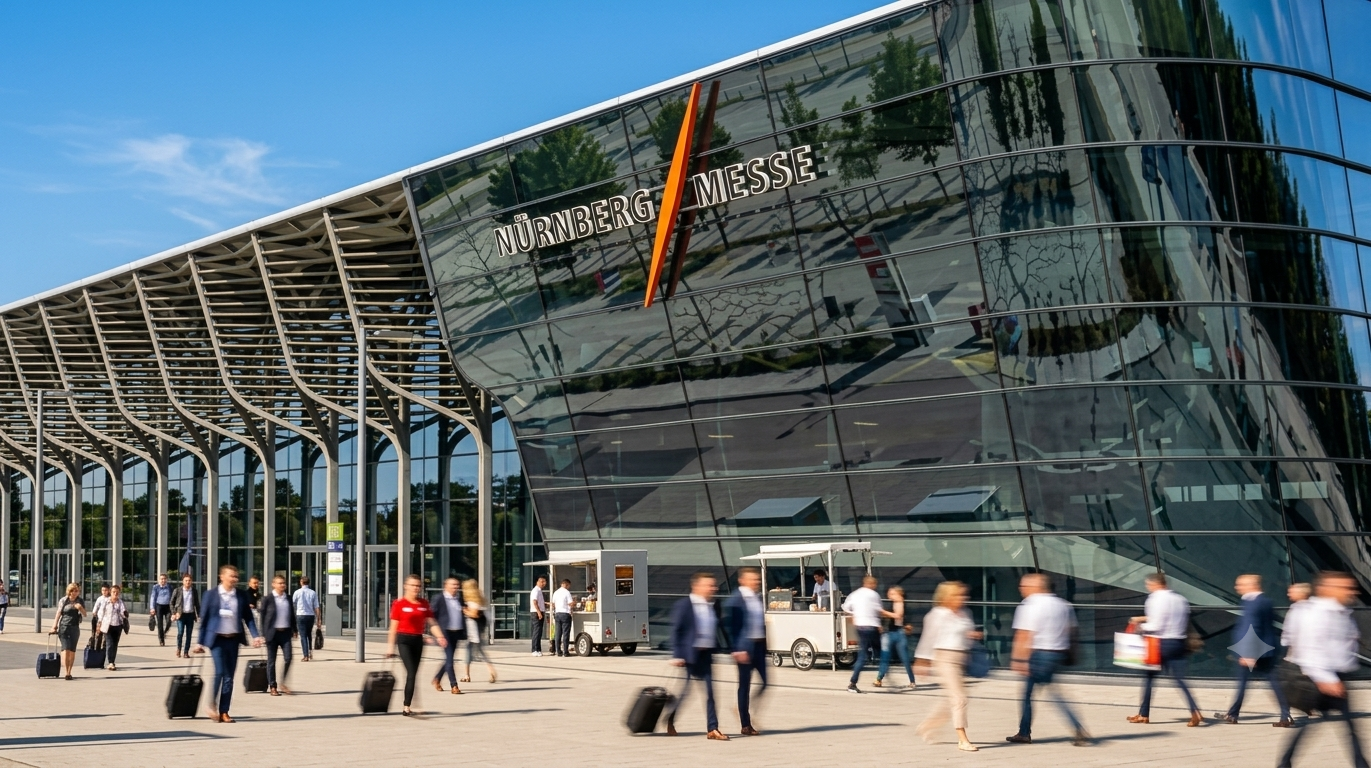
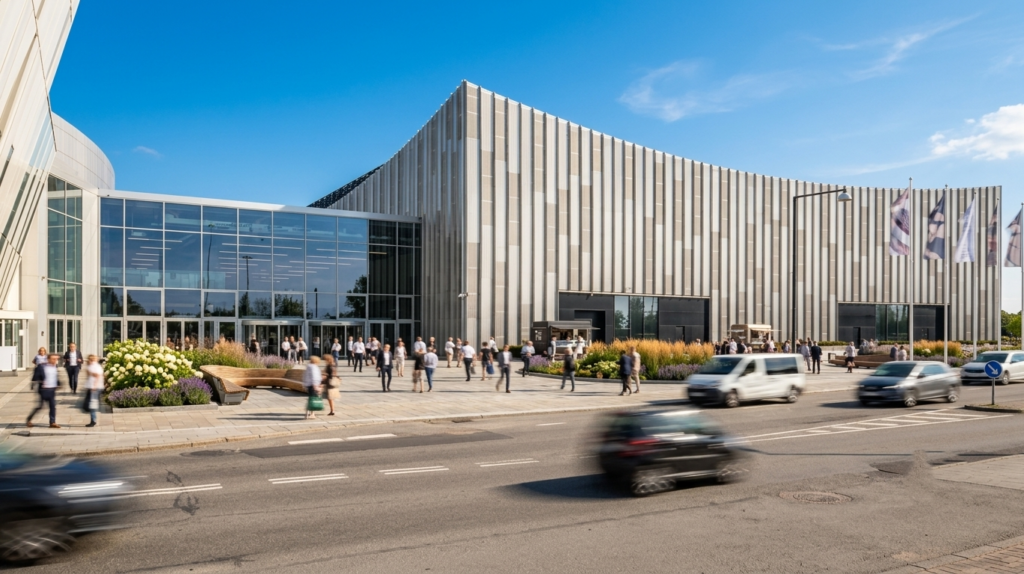
The Role of Convention Centers in Conference Delivery
Modern conferences are typically hosted in specialized venues designed for large-scale, multi-track programming, including:
- Auditoriums for keynote sessions
- Breakout rooms for parallel tracks
- Exhibition halls for sponsors and partners
- Networking and hospitality zones
- Hybrid-ready digital infrastructure
These venues are engineered to support high-density intellectual exchange and seamless attendee flow.
Operational Complexity of Conference Production
Delivering a conference requires advanced coordination across:
- Agenda development and content curation
- Speaker management and logistics
- Technical production (AV, staging, streaming)
- Attendee registration and accreditation systems
- Sponsorship integration and partner activation
This makes conferences one of the most logistically and content-intensive formats in the MICE ecosystem.
Digital Transformation of Conferences
Hybrid Conferences and Global Accessibility
Modern conferences increasingly operate in hybrid formats, enabling:
- Live-streamed keynotes and panels
- Virtual attendance and participation
- On-demand session libraries
- Global networking platforms
- Remote Q&A and engagement tools
This evolution has transformed conferences into borderless knowledge ecosystems.
Data-Driven Conference Optimization
Advanced analytics now shape conference strategy through:
- Session attendance tracking
- Engagement heatmaps
- Content performance measurement
- Networking interaction analysis
- Lead generation insights for sponsors
Conferences are increasingly evaluated as measurable knowledge platforms rather than purely qualitative experiences.
Economic and Strategic Value of Conferences
Conferences as Knowledge Economy Drivers
Conferences contribute significantly to the global knowledge economy by:
- Accelerating innovation diffusion
- Supporting professional development
- Enabling cross-sector collaboration
- Strengthening industry ecosystems
They function as catalysts for intellectual and commercial advancement simultaneously.
Destination Impact and Business Tourism
From a destination perspective, conferences drive:
- Business travel and hotel occupancy
- Venue utilization and infrastructure investment
- International visibility for host cities
- Long-term economic ripple effects
Conferences are a cornerstone of global business tourism ecosystems within the broader MICE industry.
Future Trends in Conference Development
The conference landscape is evolving rapidly, driven by several macro trends:
- AI-assisted agenda personalization
- Intelligent networking and matchmaking systems
- Micro-segmented niche conferences
- XR-enhanced immersive presentations
- Continuous post-event digital engagement
- Stronger focus on measurable ROI and learning outcomes
These shifts are redefining conferences as continuous, data-driven knowledge platforms rather than time-bound events.
FAQ – Conference Industry Insights
What is the main purpose of a conference?
A conference is designed to facilitate knowledge sharing, professional development, and structured discussion among experts and stakeholders in a specific field.
How is a conference different from a trade show?
A conference focuses on education and knowledge exchange, while a trade show is primarily focused on product showcasing and business transactions.
Who attends conferences?
Conferences are attended by professionals, researchers, industry leaders, policymakers, and stakeholders relevant to the event’s theme.
What typically happens at a conference?
Conferences include keynote speeches, panel discussions, workshops, breakout sessions, and networking opportunities.
Are conferences still relevant in a digital world?
Yes. Conferences remain highly relevant due to their role in structured knowledge exchange, networking, and hybrid digital participation models.
What industries use conferences the most?
Conferences are widely used in technology, healthcare, academia, finance, manufacturing, and policy sectors.