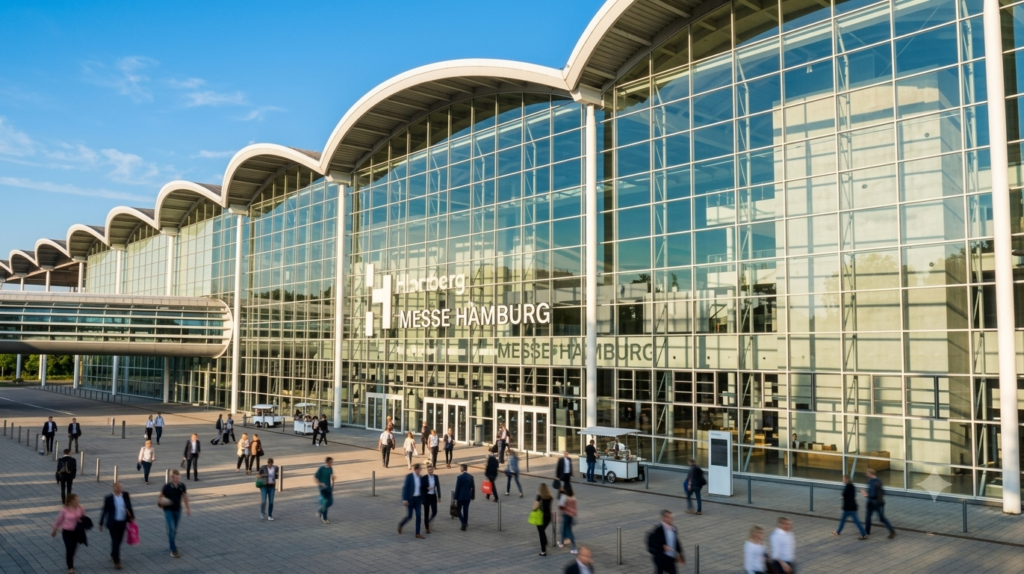
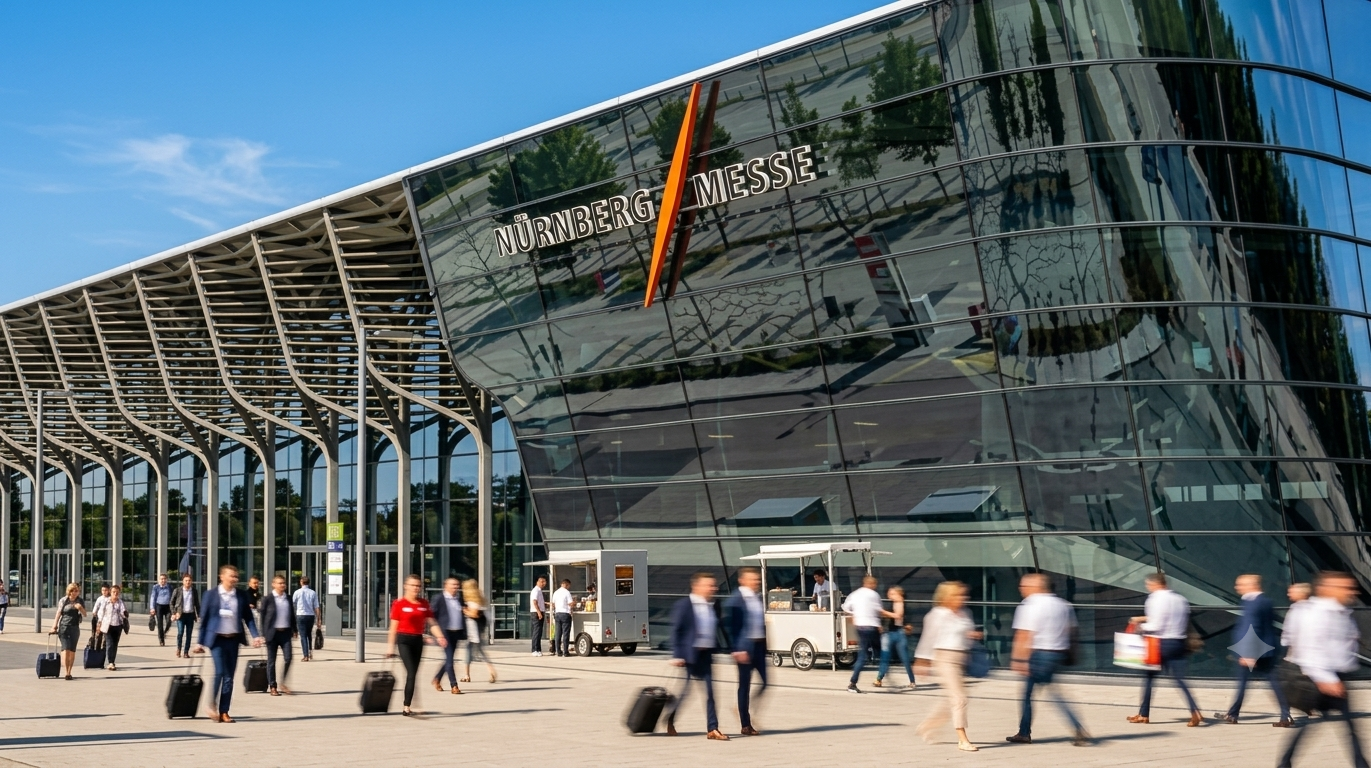
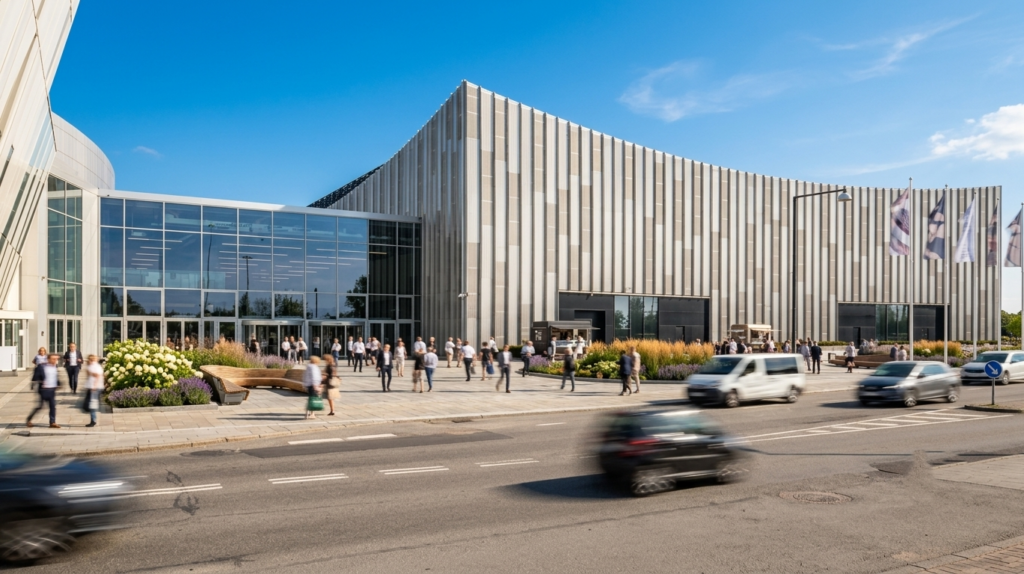
Convention Center
What Is a Convention Center in the Global Exhibition Industry?
A Convention Center is a large-scale, purpose-built facility designed to host conventions, trade shows, exhibitions, corporate meetings, congresses, and other high-capacity business and public events within a flexible, multi-space environment.
In the modern MICE (Meetings, Incentives, Conventions, Exhibitions) ecosystem, a convention center functions as a strategic infrastructure hub for global business events, enabling thousands of attendees, exhibitors, and stakeholders to interact within a controlled, professionally managed environment.
Unlike hotels or smaller conference venues, convention centers are engineered specifically for high-density visitor flow, large exhibition halls, modular meeting rooms, and complex logistical operations supporting international-scale events.
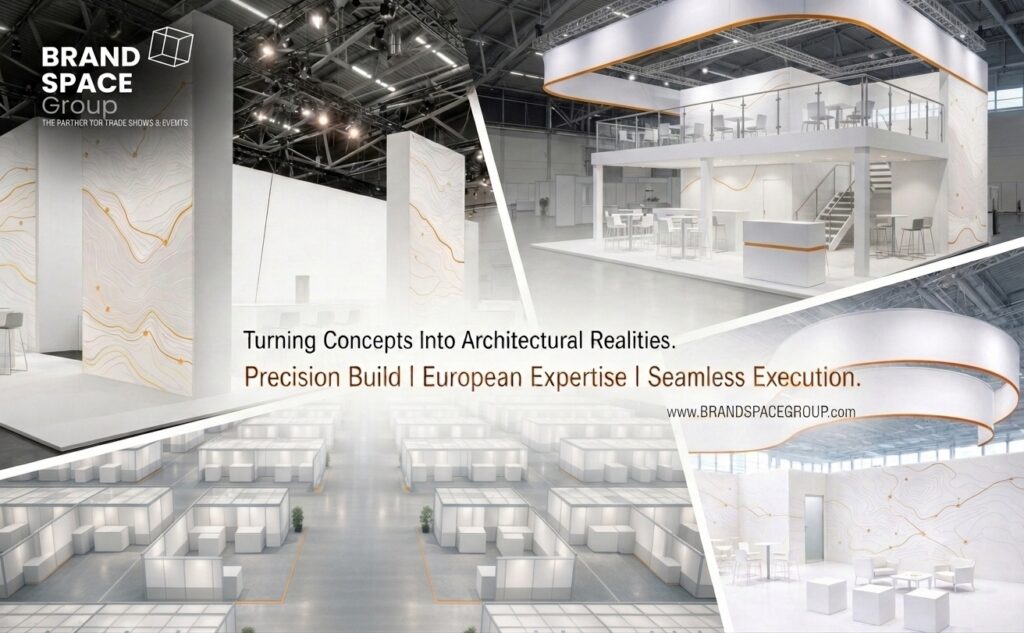
Role of Convention Centers in Trade Shows and Exhibitions
1. Central Infrastructure for Global Trade Events
Convention centers serve as the physical backbone of the global exhibition industry, providing:
- Column-free exhibition halls for large-scale booth construction
- Dedicated conference and breakout room systems
- Integrated logistics and freight handling zones
- On-site registration and visitor management systems
These infrastructures make it possible to run simultaneous exhibitions, conferences, and networking events under one roof.
2. Enabling Multi-Format Event Ecosystems
Modern convention centers are designed to support multiple event formats at once, including:
- International trade fairs
- Corporate product launches
- Industry summits and congresses
- Hybrid and digital-enabled conferences
- Public exhibitions and cultural events
This flexibility positions them as multi-purpose economic engines for cities and regions.
3. Driving Economic and Business Tourism Impact
Convention centers are often developed as part of city-level economic strategies because they:
- Attract international visitors and exhibitors
- Increase hotel occupancy and tourism revenue
- Generate local service and logistics demand
- Strengthen regional business networks
In many cities, convention centers are considered anchor assets for business tourism ecosystems.
Key Structural Components of a Convention Center
1. Exhibition Halls
The core of any convention center is the exhibition space:
- Large, column-free floorplates
- Heavy load-bearing floors for booth construction
- Flexible hall segmentation systems
- Direct freight access for logistics operations
These halls are designed to support complex booth structures, machinery displays, and large brand activations.
2. Meeting and Conference Rooms
Convention centers typically include:
- Small breakout rooms for workshops
- Medium-sized conference halls
- Large auditoriums for keynote sessions
This layered structure enables simultaneous programming across multiple event tracks.
3. Foyers and Networking Zones
Public and semi-public spaces are essential for:
- Visitor registration and accreditation
- Networking and informal meetings
- Sponsor activations and brand exposure
- Food and beverage distribution areas
These zones are critical for visitor experience and engagement flow management.
4. Logistics and Back-of-House Infrastructure
A high-performing convention center includes:
- Loading docks for freight and exhibition materials
- Storage areas for crates and booth systems
- Waste and recycling management systems
- Security and operational control centers
These elements ensure smooth event turnover and operational efficiency.
Convention Center vs. Other Event Venues
Convention Center vs. Conference Center
- Conference centers focus on smaller meetings and seminars
- Convention centers support large-scale exhibitions and multi-event programs
Convention Center vs. Exhibition Hall
- Exhibition halls focus primarily on trade shows
- Convention centers combine exhibitions with conferences, meetings, and hybrid formats
Convention Center vs. Hotel Event Space
- Hotels support smaller corporate events
- Convention centers are built for high-volume, industrial-scale event production
Strategic Importance in the Exhibition Industry
1. Scalability for Global Exhibitions
Convention centers enable events that require:
- Tens of thousands of visitors
- Multi-day programming
- International exhibitor participation
- Complex booth and freight logistics
2. Standardization of Event Infrastructure
They provide standardized systems for:
- Electrical and technical booth setups
- Safety and compliance regulations
- Visitor flow management
- Digital event integration
3. Support for Hybrid and Digital Events
Modern convention centers increasingly include:
- High-speed connectivity infrastructure
- Broadcast-ready studios
- Hybrid event production capabilities
- Digital signage and LED integration
This evolution reflects the shift toward digitally integrated exhibition environments.
Economic Role of Convention Centers
Convention centers are considered high-impact economic assets, contributing to:
- Local employment in event services and logistics
- Hospitality and tourism growth
- International trade facilitation
- Regional business development ecosystems
They function as catalysts for knowledge exchange and commercial networking on a global scale.
Operational Challenges in Convention Center Management
1. High Complexity Event Logistics
Managing multiple simultaneous events requires:
- Precision scheduling
- Freight coordination systems
- Technical infrastructure reliability
- Crowd management strategies
2. Peak Demand Fluctuations
Event calendars often create:
- Seasonal overload periods
- Resource allocation challenges
- Infrastructure stress during major exhibitions
3. Sustainability and Energy Management
Modern convention centers must address:
- Energy-efficient hall operations
- Waste reduction systems
- Sustainable booth construction practices
- Carbon footprint reduction initiatives
Future Trends in Convention Center Development
1. Smart Venue Technology
Next-generation convention centers integrate:
- IoT-based crowd analytics
- AI-driven visitor flow optimization
- Digital twin infrastructure modeling
2. Hybrid Event Architecture
Venues are increasingly designed for:
- Simultaneous physical and virtual participation
- Global live streaming capabilities
- Integrated digital exhibition platforms
3. Modular and Adaptive Spaces
Future designs emphasize:
- Reconfigurable hall systems
- Multi-purpose infrastructure usage
- Rapid setup and teardown capabilities
Frequently Asked Questions (FAQ)
What is a convention center?
A convention center is a large facility designed to host conventions, trade shows, exhibitions, and large-scale meetings.
What is the main purpose of a convention center?
Its main purpose is to provide infrastructure for large business, trade, and public events.
How is a convention center different from a hotel?
Hotels host small to medium events, while convention centers are designed for large-scale exhibitions and conferences.
What types of events are held in convention centers?
Trade shows, conventions, exhibitions, corporate meetings, product launches, and industry conferences.
Why are convention centers important for cities?
They drive tourism, business travel, economic activity, and international trade connections.
What facilities are included in a convention center?
Exhibition halls, conference rooms, auditoriums, logistics areas, and networking spaces.
Are convention centers only used for business events?
No, they also host cultural events, public exhibitions, concerts, and large gatherings.
What is the difference between a convention center and an exhibition center?
An exhibition center focuses mainly on trade shows, while a convention center combines exhibitions with conferences and meetings.