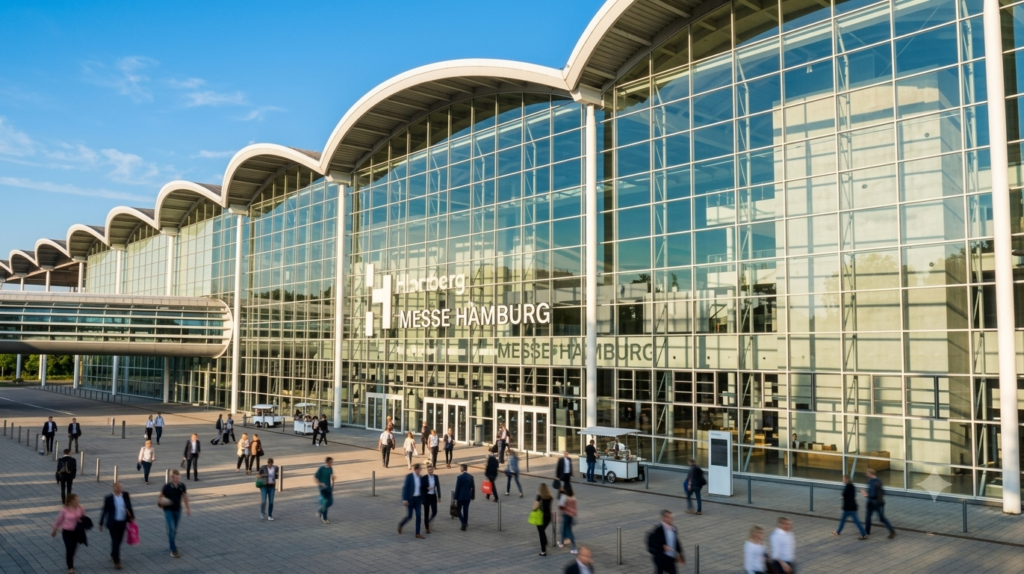
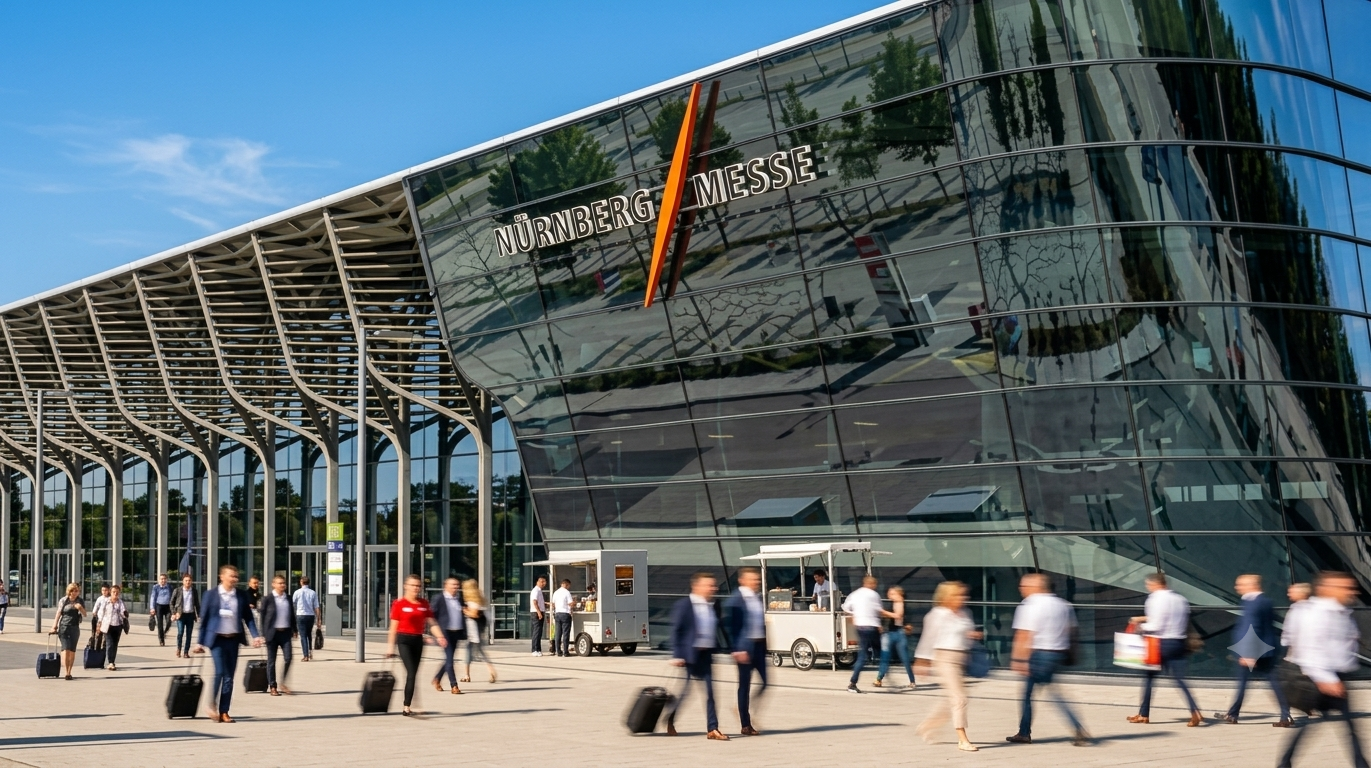
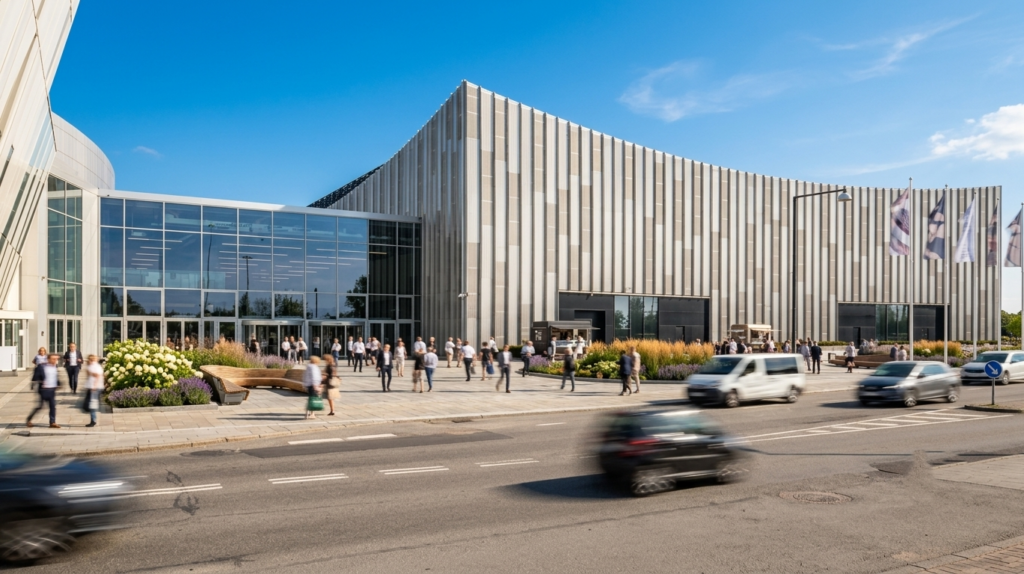
Exhibition Center
What Is an Exhibition Center in the Global Events Industry?
An Exhibition Center is a large-scale, purpose-built venue designed to host trade shows, exhibitions, conventions, corporate events, product launches, and international industry gatherings within a flexible, infrastructure-heavy environment optimized for high visitor volumes and complex event logistics.
In the global MICE ecosystem (Meetings, Incentives, Conventions, Exhibitions), the exhibition center functions as a core economic and commercial platform where industries meet, brands activate, and business transactions are initiated at scale. It is closely related to concepts such as exhibition halls and convention centers, but is typically defined by its primary focus on large-scale exhibition and trade fair operations.
Modern exhibition centers are engineered for:
- Large, column-free exhibition halls
- High-capacity visitor flow management
- Advanced freight and logistics infrastructure
- Modular stand construction systems
- Integrated digital and hybrid event technologies
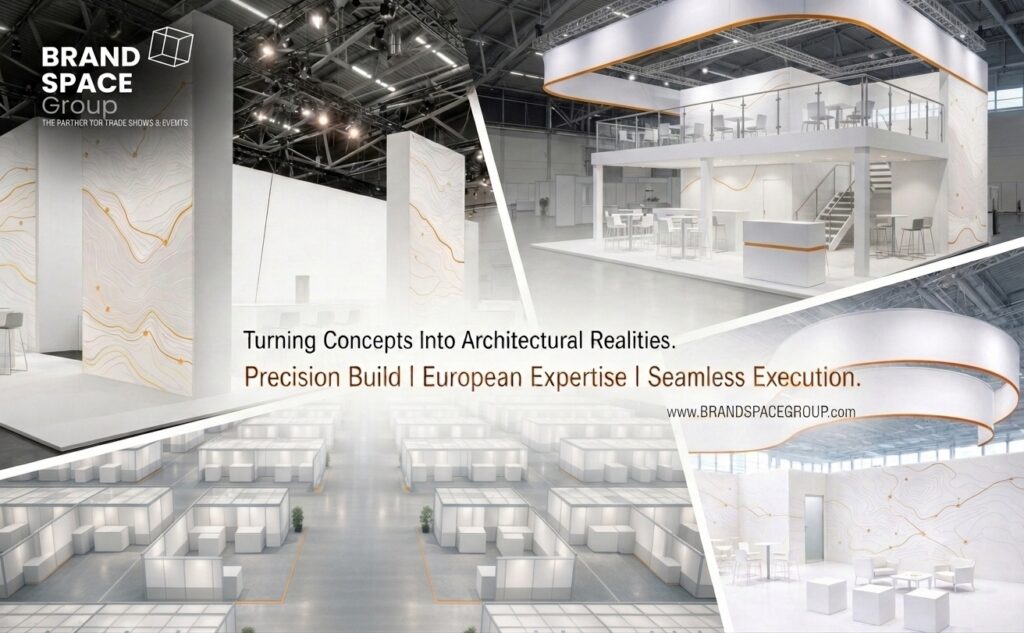
Role of Exhibition Centers in the Global Trade Show Ecosystem
1. The Physical Engine of Global Trade Fairs
Exhibition centers serve as the central infrastructure for international trade shows, enabling:
- Multi-hall exhibition layouts
- Simultaneous industry events
- Large-scale brand activations
- Cross-border business networking
These venues allow thousands of exhibitors and visitors to interact in a controlled, professionally managed environment designed for commerce and knowledge exchange.
2. High-Capacity Business Interaction Environments
Unlike standard event venues, exhibition centers are optimized for:
- Tens of thousands of daily visitors
- Heavy exhibition booth structures
- Live demonstrations and machinery displays
- Continuous visitor circulation flows
This makes them essential for industries such as manufacturing, automotive, technology, healthcare, and construction.
3. Infrastructure for Complex Event Logistics
A modern exhibition center is not only a venue but a logistics ecosystem, including:
- Dedicated loading docks and freight access points
- Back-of-house staging and storage areas
- Crate handling and pallet zones
- Security and controlled access systems
These systems ensure smooth installation, operation, and dismantling of large-scale exhibitions.
Key Structural Components of an Exhibition Center
1. Exhibition Halls
The core asset of any exhibition center is its hall infrastructure:
- Column-free floor spaces for flexible booth design
- High load-bearing capacity for heavy installations
- Modular hall separation systems
- Direct access for forklifts and freight handling
These halls are designed to support high-density, industrial-scale exhibition setups.
2. Entrance and Registration Areas
Visitor flow begins at:
- Ticketing and accreditation zones
- Digital registration systems
- Security checkpoints
- Branding and sponsor activation areas
These spaces define the first impression and operational efficiency of the event experience.
3. Conference and Meeting Facilities
Most exhibition centers also integrate:
- Conference rooms for industry presentations
- VIP meeting areas for B2B matchmaking
- Auditoriums for keynote sessions
This allows hybrid event formats combining exhibitions and conferences.
4. Logistics and Service Infrastructure
Behind the scenes, exhibition centers include:
- Storage and staging zones
- Technical service corridors
- Waste management and recycling systems
- On-site event operations control centers
This infrastructure ensures continuous event functionality during peak operations.
Exhibition Center vs. Related Venue Types
Exhibition Center vs. Convention Center
- Exhibition centers focus primarily on trade fairs and large-scale product showcases
- Convention centers emphasize conferences, congresses, and multi-purpose meetings
Many modern venues combine both functions in hybrid formats.
Exhibition Center vs. Exhibition Hall
- An exhibition hall is a single space or pavilion
- An exhibition center is a multi-hall complex with full infrastructure systems
Exhibition Center vs. Event Venue
- Event venues are general-purpose spaces
- Exhibition centers are engineered specifically for large-scale trade and industrial exhibitions
Strategic Importance of Exhibition Centers
1. Global Business Connectivity
Exhibition centers act as physical marketplaces for global industries, enabling:
- International trade relationships
- Supplier and buyer matchmaking
- Market entry for global brands
2. Economic Impact for Host Cities
They generate:
- Business tourism revenue
- Hotel and hospitality demand
- Local employment in logistics and services
- Long-term regional economic development
Large centers often become anchor institutions for city branding and economic strategy.
3. Industry Knowledge Exchange
Exhibition centers support:
- Innovation showcases
- Technology demonstrations
- Industry benchmarking
- Professional networking ecosystems
They function as temporary global hubs of industrial intelligence.
Design and Operational Characteristics
1. Flexibility and Modularity
Modern exhibition centers are designed for:
- Reconfigurable hall layouts
- Scalable event formats
- Multi-event simultaneous operations
2. Technology Integration
Advanced centers include:
- High-speed digital connectivity
- LED and digital signage systems
- Hybrid event broadcasting infrastructure
- Smart crowd analytics systems
3. Sustainability Standards
New-generation exhibition centers focus on:
- Energy-efficient hall systems
- Waste reduction and recycling programs
- Sustainable construction materials
- Carbon footprint optimization strategies
Future Trends in Exhibition Center Development
1. Hybrid Event Infrastructure
Exhibition centers are increasingly designed for:
- Physical + digital event integration
- Global live streaming capabilities
- Virtual participation platforms
2. Smart Venue Systems
Future facilities integrate:
- AI-based visitor flow optimization
- Predictive capacity management
- Digital twin venue modeling
3. Experience-Driven Design
Modern exhibition centers emphasize:
- Immersive brand environments
- Interactive visitor journeys
- Experiential marketing zones
Frequently Asked Questions (FAQ)
What is an exhibition center?
An exhibition center is a large venue designed to host trade shows, exhibitions, and large-scale business events.
What is the purpose of an exhibition center?
Its purpose is to provide infrastructure for large-scale industry events, exhibitions, and business networking.
What is the difference between an exhibition center and a convention center?
An exhibition center focuses mainly on trade shows, while a convention center is more focused on conferences and meetings.
What facilities are found in an exhibition center?
Exhibition halls, meeting rooms, logistics areas, registration zones, and technical infrastructure.
Why are exhibition centers important?
They enable international trade, business networking, and industry knowledge exchange.
What types of events are held in exhibition centers?
Trade fairs, product launches, industry exhibitions, and corporate events.
How big is an exhibition center?
Sizes vary, but large international centers can span hundreds of thousands of square meters of exhibition space.
Are exhibition centers used only for trade shows?
No, they also host conferences, cultural events, and large public gatherings.