Trade Fair Grounds
What Are Trade Fair Grounds in the Global Exhibition Ecosystem?
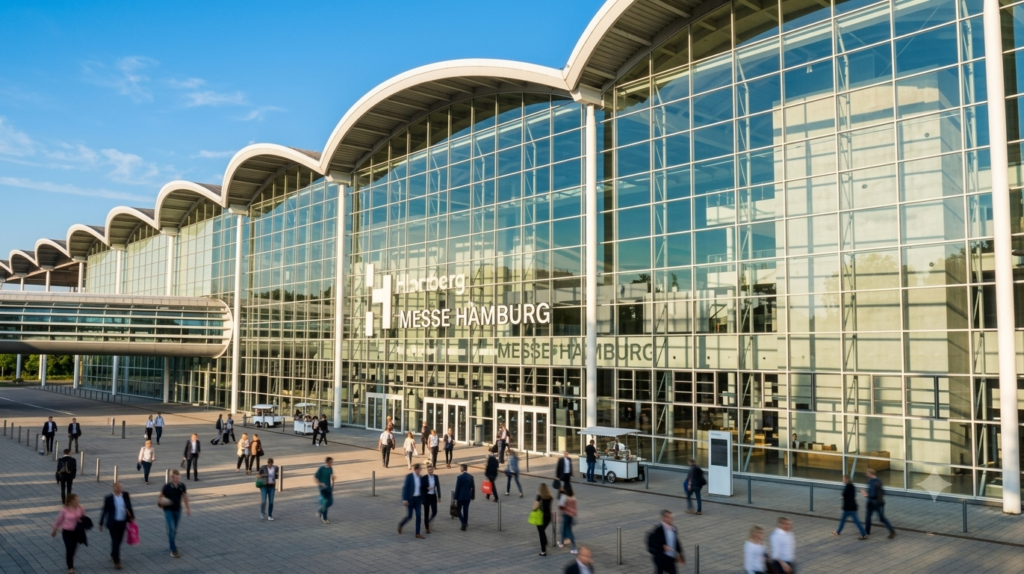
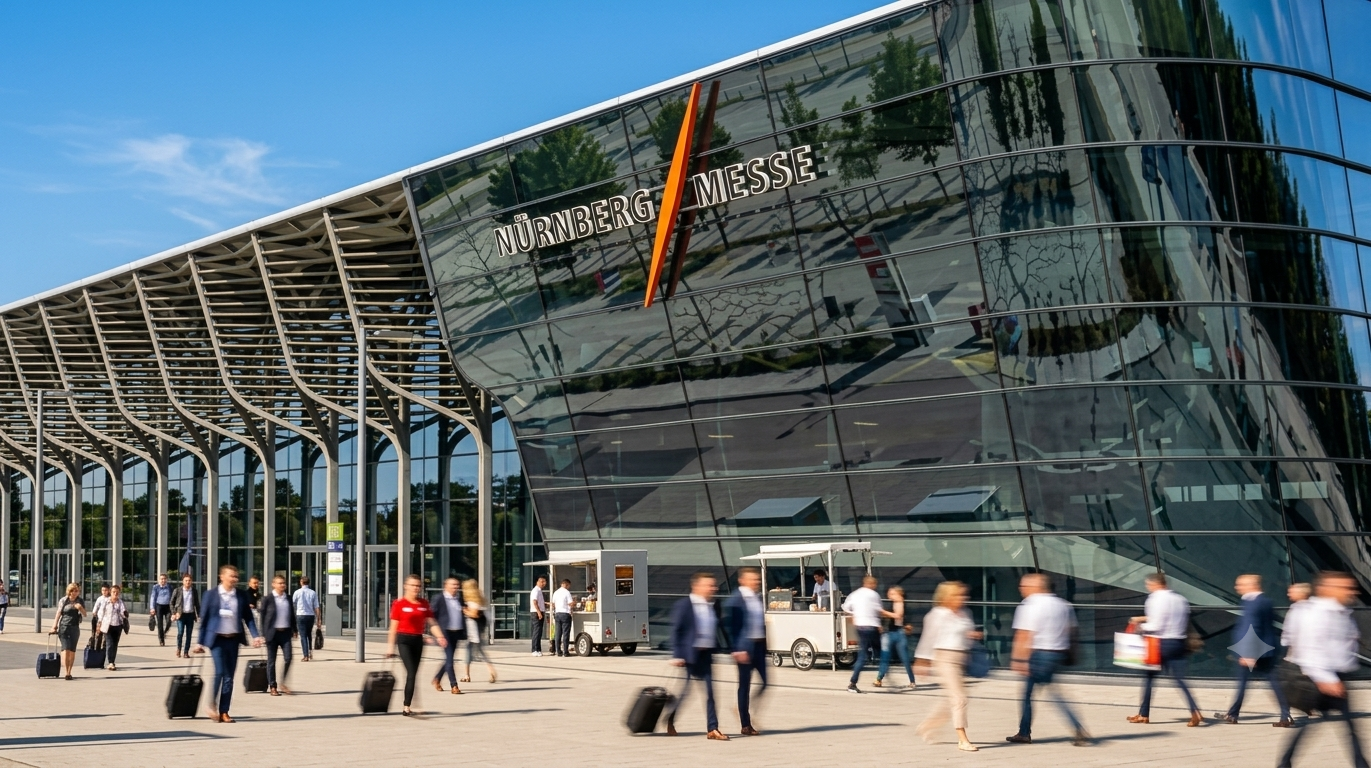
Trade Fair Grounds are large, purpose-built exhibition sites designed to host trade fairs, exhibitions, public expos, industry congresses, and large-scale business events, typically consisting of multiple exhibition halls, outdoor areas, and integrated logistics infrastructure that enables complex event operations at international scale.
In the global MICE and exhibition industry, trade fair grounds represent the physical backbone of industrial and commercial exchange, where manufacturers, suppliers, service providers, and buyers converge to showcase products, negotiate contracts, and analyze market trends in a structured environment.
Unlike single venues, trade fair grounds are typically campus-like complexes combining multiple halls, congress centers, outdoor zones, and freight logistics systems, enabling simultaneous events and highly flexible configurations.

The Strategic Role of Trade Fair Grounds in Global Trade Shows
1. The Industrial Marketplace of Physical Commerce
Trade fair grounds function as temporary global marketplaces, where entire industries gather to:
- Launch new products and technologies
- Build international business relationships
- Benchmark competitors and innovations
- Generate qualified sales leads and partnerships
They are essential infrastructure for industries such as manufacturing, automotive, construction, technology, healthcare, and logistics.
2. High-Capacity Infrastructure for Global Events
Modern trade fair grounds are engineered for scale and complexity, often featuring:
- Multiple exhibition halls with column-free layouts
- Large outdoor exhibition zones for machinery and vehicles
- Integrated conference and congress centers
- Dedicated freight and logistics access systems
For example, major European fairgrounds offer over 100,000 m² of exhibition space combined with extensive outdoor areas and congress facilities to accommodate multi-layered event formats.
3. Multi-Event and Simultaneous Programming Capability
Unlike standard venues, trade fair grounds are designed to host:
- Multiple trade shows at the same time
- Parallel conferences and keynote programs
- Industry-specific pavilions and special zones
- Hybrid physical-digital event formats
This makes them high-efficiency ecosystems for continuous event production cycles.
Key Components of Trade Fair Grounds
1. Exhibition Halls
The core structural element includes:
- Large, column-free indoor halls
- High load-bearing floors for heavy exhibits
- Modular partition systems
- Integrated technical infrastructure (power, rigging, data)
These halls enable flexible booth construction from small modular stands to large multi-level brand installations.
2. Outdoor Exhibition Areas
Many trade fair grounds include extensive outdoor zones for:
- Heavy machinery demonstrations
- Vehicle displays and live testing areas
- Large-scale industrial installations
- Event overflow capacity during peak attendance
These areas are critical for industries requiring real-world product demonstrations.
3. Congress and Conference Centers
Integrated meeting infrastructure supports:
- Industry summits and keynote sessions
- B2B matchmaking programs
- Workshops and training sessions
- VIP and press conferences
This transforms trade fair grounds into hybrid knowledge and commerce ecosystems.
4. Logistics and Operations Infrastructure
Behind the scenes, trade fair grounds rely on:
- Freight terminals and loading docks
- Truck access routes and staging zones
- Storage and crate management areas
- Security, accreditation, and control systems
These systems ensure efficient installation, operation, and dismantling cycles for large-scale exhibitions.
Trade Fair Grounds vs. Related Venue Types
Trade Fair Grounds vs. Exhibition Centers
- Trade fair grounds refer to the entire campus or site infrastructure
- Exhibition centers often refer to the core building or hall complex
Trade Fair Grounds vs. Convention Centers
- Trade fair grounds prioritize exhibitions and product showcases
- Convention centers focus more on conferences, meetings, and congresses
Trade Fair Grounds vs. Fairgrounds
- Traditional fairgrounds include mixed public entertainment
- Trade fair grounds are primarily B2B and industry-focused environments
Economic and Industry Importance
1. Global Trade Facilitation
Trade fair grounds enable:
- Cross-border commerce
- Supplier-buyer matchmaking
- Export/import market expansion
- Industry globalization
They are often described as temporary global trade cities during major events.
2. Regional Economic Impact
Host cities benefit through:
- Tourism and hotel demand
- Transportation and logistics services
- Local employment in event industries
- Long-term business ecosystem development
Major trade fair grounds are often key drivers of regional economic identity.
3. Knowledge and Innovation Exchange
Trade fair grounds support:
- Technology demonstration ecosystems
- Industry benchmarking and competition analysis
- Innovation showcases and pilot launches
- Professional knowledge transfer
Design and Operational Characteristics
1. Scalability and Modularity
Modern trade fair grounds are built for:
- Rapid reconfiguration of hall layouts
- Multi-event parallel operations
- Seasonal capacity scaling
2. Advanced Infrastructure Systems
Typical features include:
- High-speed digital connectivity
- Smart lighting and rigging systems
- Climate-controlled exhibition environments
- Integrated visitor management platforms
3. Sustainability Integration
Increasingly, trade fair grounds incorporate:
- Energy-efficient building systems
- Waste reduction and recycling logistics
- Sustainable transport integration
- Carbon reduction strategies for events
Future Trends in Trade Fair Grounds Development
1. Smart Event Ecosystems
Next-generation trade fair grounds integrate:
- AI-driven visitor flow analytics
- Predictive crowd management systems
- Digital twin infrastructure modeling
2. Hybrid Event Architecture
Facilities are evolving to support:
- Simultaneous physical and virtual attendance
- Global live streaming infrastructure
- Digital exhibition platforms
3. Experience-Centered Design
Future trade fair grounds emphasize:
- Immersive brand environments
- Interactive visitor journeys
- Modular experiential zones
Frequently Asked Questions (FAQ)
What are trade fair grounds?
Trade fair grounds are large exhibition sites designed for trade shows, expos, and industry events.
What is the purpose of trade fair grounds?
They provide infrastructure for large-scale business exhibitions and international trade events.
What facilities are included in trade fair grounds?
Exhibition halls, outdoor areas, conference centers, logistics zones, and visitor services.
How are trade fair grounds different from exhibition centers?
Trade fair grounds refer to the entire site, while exhibition centers often refer to specific halls or buildings.
Why are trade fair grounds important?
They enable global trade, industry networking, and large-scale product showcasing.
What types of events are held at trade fair grounds?
Trade fairs, exhibitions, industry expos, conferences, and product launches.
Are trade fair grounds used year-round?
Yes, most host multiple events throughout the year, often simultaneously.
What is the future of trade fair grounds?
They are evolving into smart, hybrid, and digitally integrated event ecosystems.