Event Venue
What Is an Event Venue in the Global MICE and Exhibition Industry?
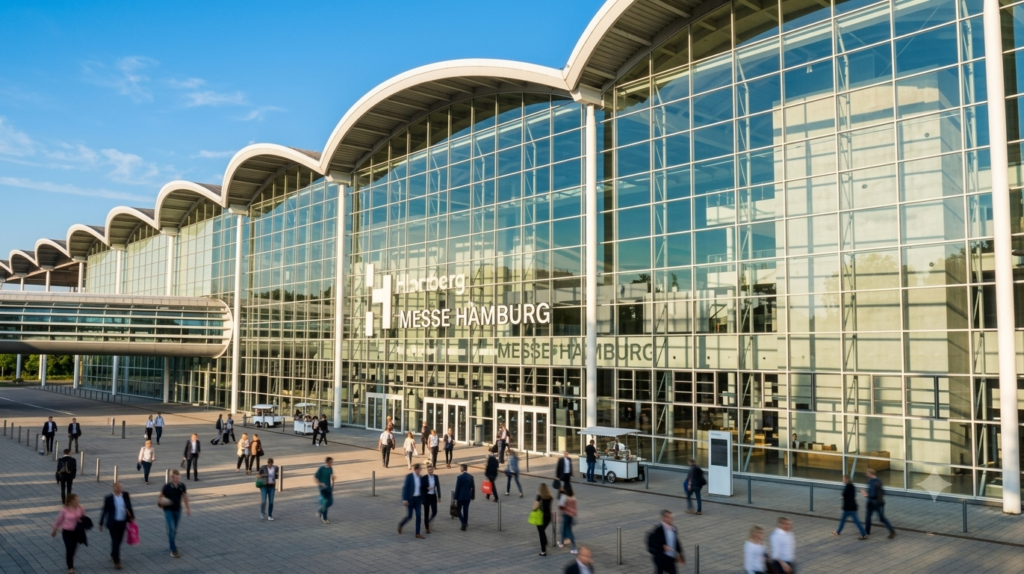
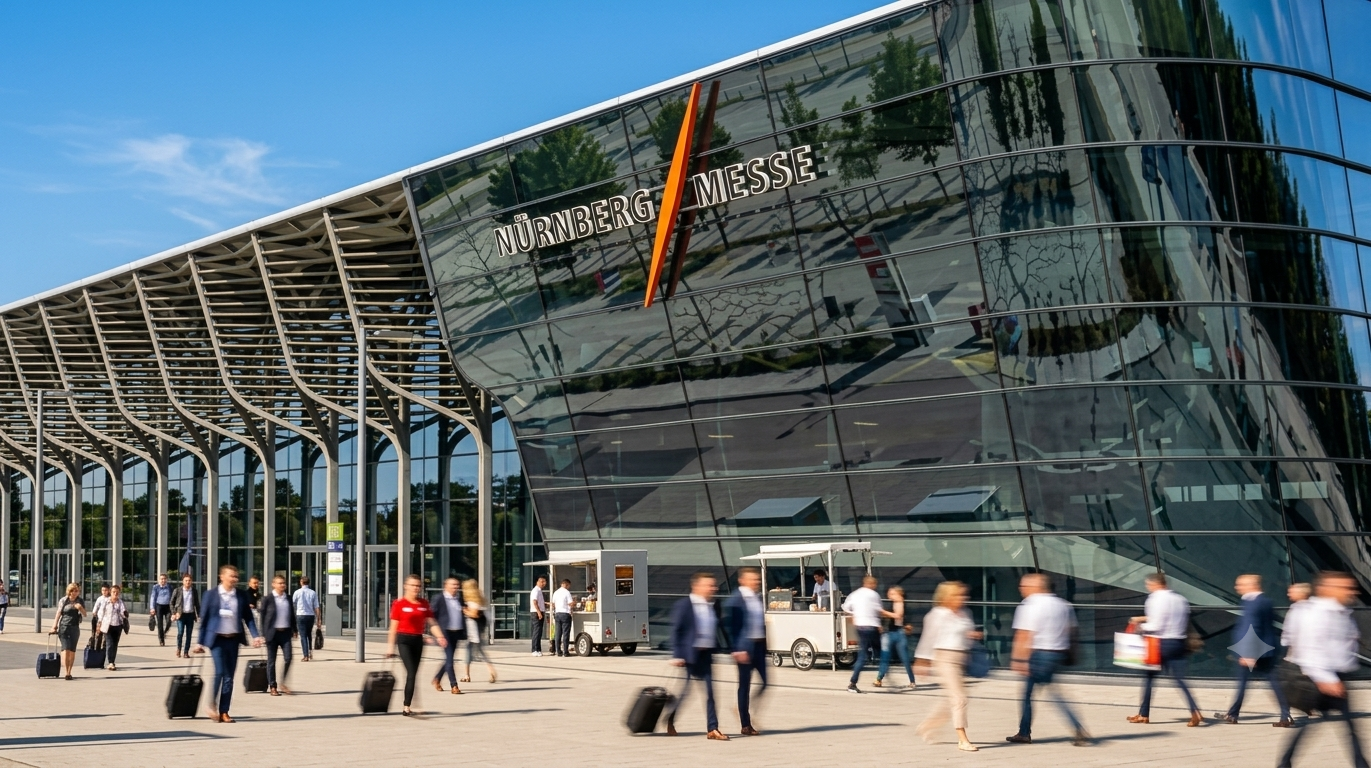
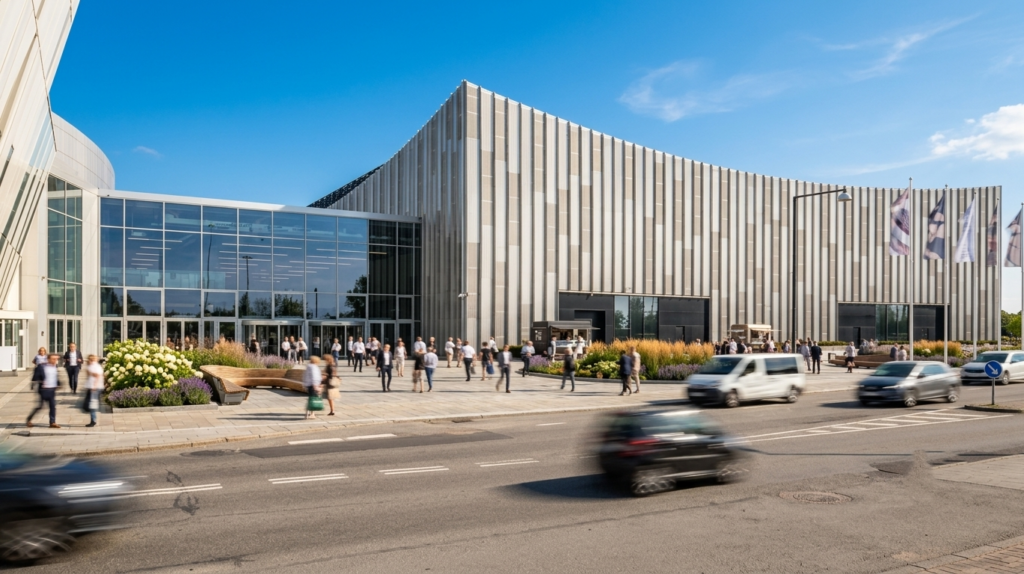
An Event Venue is a designated physical location where organized events such as trade shows, exhibitions, conferences, corporate meetings, product launches, and experiential activations take place, providing the spatial, technical, and operational infrastructure required to host structured gatherings at any scale.
In the global MICE industry (Meetings, Incentives, Conferences, Exhibitions), the event venue is the foundational layer of every live experience, shaping not only logistics and operations but also audience flow, engagement quality, and overall event success. It serves as the interface between business objectives and physical execution.
A modern event venue can range from:
- Dedicated exhibition centers
- Convention halls and congress centers
- Hotels and ballroom spaces
- Outdoor arenas and festival grounds
- Hybrid industrial or adaptive spaces
As defined in industry sources, an event venue is essentially the place where an organized event is held, regardless of size or format.
The Strategic Role of Event Venues in Trade Shows and Exhibitions
1. The Physical Foundation of Event Experiences
Every exhibition or trade show begins with the venue. It determines:
- Spatial capacity and visitor flow
- Booth construction possibilities
- Technical infrastructure availability
- Accessibility and logistics efficiency
Without a properly designed venue, even strong event concepts cannot be executed effectively.
2. Enabling Business Interaction at Scale
Modern event venues are engineered to support high-density professional interaction environments, including:
- Thousands of simultaneous business conversations
- Large-scale product demonstrations
- Networking and matchmaking activities
- Live presentations and keynote sessions
This makes them critical infrastructure for industries driven by face-to-face B2B engagement.
3. Supporting Multi-Format Event Ecosystems
Today’s event venues are no longer single-purpose spaces. They support:
- Trade shows and exhibitions
- Conferences and congresses
- Corporate events and AGMs
- Hybrid digital events
- Cultural and public gatherings
This versatility allows venues to operate as multi-industry experience platforms rather than static locations.
Core Elements of a Modern Event Venue
1. Main Event Spaces
The primary component includes flexible halls or rooms designed for:
- Exhibition booths and stands
- Stage setups and presentations
- Large audience gatherings
- Modular space configurations
These areas define the scale and structure of the event experience.
2. Technical Infrastructure
A professional event venue provides integrated systems such as:
- Electrical and power distribution networks
- Lighting and rigging systems
- High-speed internet and connectivity
- Audio-visual production capabilities
These systems ensure that exhibitions and conferences operate seamlessly.
3. Logistics and Back-of-House Operations
Behind every successful event venue lies a complex logistics system:
- Loading docks and freight access
- Storage and staging areas
- Security and accreditation zones
- Waste and recycling management systems
This infrastructure is essential for efficient setup, operation, and dismantling cycles.
4. Visitor Flow and Experience Design
Event venues are designed to manage:
- Entry and exit flows
- Registration and check-in processes
- Crowd movement and congestion control
- Networking and resting zones
A well-designed venue enhances attendee experience and engagement quality.
Event Venue vs. Related Industry Terms
Event Venue vs. Exhibition Center
- Event venue: any location hosting an event
- Exhibition center: specialized infrastructure for trade shows and exhibitions
Event Venue vs. Convention Center
- Convention center: large-scale meeting and congress-focused facility
- Event venue: broader term covering all event locations
Event Venue vs. Trade Fair Grounds
- Trade fair grounds: full campus infrastructure with multiple halls
- Event venue: individual or general location within that ecosystem
Why Event Venues Are Critical to Event Success
1. They Define Operational Feasibility
Venue selection determines whether an event can physically and logistically function at all.
2. They Influence Audience Experience
Factors such as layout, accessibility, and comfort directly impact:
- Engagement levels
- Dwell time
- Networking quality
3. They Affect Commercial Outcomes
A well-chosen venue supports:
- Higher-quality leads
- Better exhibitor satisfaction
- Stronger brand perception
4. They Enable Scalability
Modern venues allow events to scale from:
- Small corporate meetings
to - International trade exhibitions with global participation
Design and Operational Trends in Event Venues
1. Hybrid Event Integration
Event venues increasingly support:
- Live streaming infrastructure
- Virtual attendance systems
- Hybrid audience interaction models
2. Smart Venue Technology
Next-generation venues integrate:
- AI-based crowd analytics
- Digital ticketing and access control
- Real-time occupancy monitoring
3. Experience-Centered Design
Modern venues focus on:
- Immersive brand environments
- Interactive exhibition zones
- Flexible spatial storytelling
4. Sustainability Standards
Sustainable event venues prioritize:
- Energy-efficient infrastructure
- Waste reduction systems
- Green building certifications
- Sustainable logistics pathways
The Future of Event Venues in the Global Industry
Event venues are evolving into dynamic, technology-enabled experience platforms that extend beyond physical space. They are becoming:
- Hybrid communication hubs
- Data-driven engagement environments
- Multi-industry collaboration ecosystems
- Flexible infrastructure networks for global business events
This transformation reflects the broader shift in the exhibition industry toward experience-driven, digitally integrated, and outcome-focused event ecosystems.
Frequently Asked Questions (FAQ)
What is an event venue?
An event venue is any physical location where organized events such as exhibitions, conferences, or trade shows take place.
What types of event venues exist?
Common types include exhibition centers, convention centers, hotels, arenas, outdoor grounds, and hybrid spaces.
What is the purpose of an event venue?
Its purpose is to provide the infrastructure and space needed to host organized events effectively.
How is an event venue different from an exhibition center?
An event venue is a general term, while an exhibition center is specifically designed for trade shows and exhibitions.
Why is choosing the right event venue important?
Because it directly impacts logistics, attendee experience, and overall event success.
What features should a good event venue have?
Key features include accessibility, technical infrastructure, flexible space design, and strong logistics support.
Are event venues only indoor spaces?
No, they can also include outdoor areas, hybrid structures, and temporary installations.
How are event venues changing in the future?
They are becoming more digital, sustainable, and experience-driven with hybrid event capabilities.