Modular Exhibit
What Is a Modular Exhibit?
A Modular Exhibit is a reconfigurable exhibition system built from standardized, interchangeable components that can be assembled, adjusted, and reused across multiple trade shows and event formats. Unlike fully custom-built booths designed for a single configuration, modular exhibits are engineered as flexible structural systems, allowing brands to adapt their presence to different booth sizes, layouts, and marketing objectives without rebuilding from scratch.
In the exhibition industry, modular exhibits represent a shift toward system-based stand architecture, where aluminum frames, fabric graphics, panels, lighting, and display elements function like building blocks that can be reassembled into new spatial configurations depending on the event environment.
Modern modular systems sit between portable displays and custom exhibits, offering a balance of efficiency, scalability, and brand presentation quality.
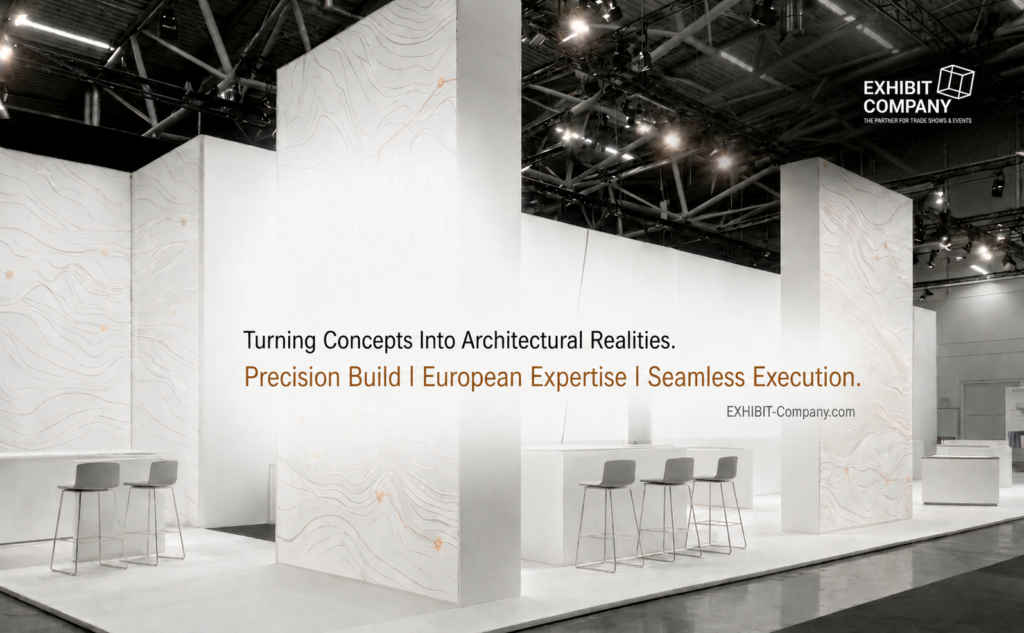
How Modular Exhibits Work on the Trade Show Floor
A modular exhibit system is designed around a core structural framework that supports multiple configurations.
Typical components include:
- Aluminum extrusion frame systems
- Interchangeable wall panels and SEG fabric graphics
- Modular counters and reception units
- Integrated lighting systems
- Shelving, monitor mounts, and product displays
- Storage and back-of-house elements
These components can be reassembled into different layouts, enabling the same system to scale from a small inline booth to a larger island configuration without changing the core infrastructure.
Why Modular Exhibits Are Gaining Industry Momentum
Scalability Across Multiple Event Formats
One of the strongest advantages of modular exhibit systems is adaptability. A single structural system can be resized or reconfigured to fit:
- 10×10 inline booths
- 10×20 or 20×20 expansions
- Corner or peninsula layouts
- Island booth configurations
This scalability allows exhibitors to maintain consistent branding while adjusting footprint strategy across different shows.
Cost Efficiency Across the Exhibit Lifecycle
Unlike single-use custom builds, modular systems distribute investment across multiple events. Over time, this can significantly reduce per-show costs, especially for exhibitors attending several trade shows annually.
Key financial advantages include:
- Reduced rebuild requirements
- Lower long-term material waste
- Reusable structural components
- Reduced fabrication repetition
Industry analysis shows that reuse-oriented modular systems can significantly reduce total lifecycle costs compared to repeated custom builds.
Faster Installation and Dismantling
Modular exhibits are engineered for speed.
Typical efficiencies include:
- Tool-less or minimal-tool assembly systems
- Pre-engineered connection points
- Pre-fabricated structural modules
- Simplified packing and transport systems
This reduces on-site labor time and improves predictability during tight exhibition build schedules.
Brand Consistency Across Global Events
For companies exhibiting internationally, modular systems help maintain consistent brand presence while adapting to different booth sizes and regulations.
This ensures:
- Unified visual identity across markets
- Standardized messaging architecture
- Repeatable visitor experience models
- Controlled brand execution across regions
Modular Exhibit vs Custom Exhibit
Modular Exhibit
- Reusable structural system
- Flexible layouts and configurations
- Faster installation and teardown
- Lower long-term operational cost
- Ideal for multi-show exhibitors
Custom Exhibit
- Fully bespoke, one-off design
- Maximum architectural freedom
- Higher production and logistics cost
- Longer build and fabrication timelines
- Ideal for flagship or brand-defining events
The key distinction is not quality—it is strategic intent. Modular systems prioritize efficiency and reuse, while custom exhibits prioritize uniqueness and architectural storytelling.
Design Principles of High-Performance Modular Exhibits
1. Reconfigurable Spatial Architecture
Modern modular exhibits are designed to adapt visually and functionally across different layouts without losing brand integrity.
2. Visual Flexibility Through Graphics Systems
Interchangeable SEG fabric graphics and panel systems allow brands to update messaging without changing structure.
This enables:
- Campaign-specific messaging updates
- Seasonal or product-based branding changes
- Rapid visual refresh between events
3. Structured Visitor Flow Design
Even within modular constraints, effective exhibits guide visitor movement through:
- Open entry zones
- Central engagement areas
- Defined meeting or demo spaces
- Back-end storage integration
4. Integrated Technology Readiness
Many modular systems are designed to support modern exhibition technology, including:
- LED screens and video walls
- Interactive touchpoints
- Digital product demonstrations
- Lighting integration systems
Sustainability Benefits of Modular Exhibits
Sustainability is one of the defining advantages of modular systems.
Key environmental benefits include:
- High component reusability across multiple events
- Reduced material waste compared to single-use builds
- Lightweight aluminum structures with long lifecycle potential
- Reduced shipping volume due to modular packing
- Lower overall carbon footprint across event cycles
This makes modular exhibits a strong fit for companies with ESG-driven event strategies.
Operational Challenges of Modular Exhibits
Limited Structural Freedom Compared to Custom Builds
While highly flexible, modular systems operate within predefined structural logic, which can limit extreme architectural creativity.
Design Dependence on Planning Discipline
Performance depends heavily on how well the system is planned across:
- Layout configuration
- Graphic strategy
- Storage integration
- Visitor flow logic
Poor planning can make modular exhibits feel generic.
Inventory and Storage Management
Because systems are reused, companies must manage:
- Component tracking
- Storage logistics
- Maintenance between events
- Transportation coordination
Future Trends in Modular Exhibit Systems
Hybrid Modular-Custom Systems
The industry is moving toward hybrid models that combine modular frameworks with custom architectural elements for greater flexibility and impact.
Tool-Less Smart Assembly Systems
Next-generation modular exhibits increasingly use:
- Click-lock frame systems
- Magnetic graphic panels
- Pre-wired lighting channels
Data-Driven Modular Optimization
Exhibitors are beginning to analyze performance data to optimize modular layouts based on:
- Visitor flow behavior
- Engagement hotspots
- Conversion zones
- Dwell time patterns
Frequently Asked Questions (FAQ)
What is a modular exhibit?
A modular exhibit is a reusable trade show booth system built from interchangeable components that can be reconfigured for different booth sizes and event layouts.
How is a modular exhibit different from a custom exhibit?
A modular exhibit uses standardized, reusable components, while a custom exhibit is uniquely designed and built for a single configuration.
Are modular exhibits cost-effective?
Yes. Modular exhibits reduce long-term costs by allowing reuse across multiple shows, minimizing rebuild and fabrication expenses over time.
Can modular exhibits look custom?
Yes. With advanced graphics, lighting, and layout planning, modular exhibits can achieve a highly customized visual appearance despite using standardized structures.
What materials are used in modular exhibits?
Common materials include aluminum frames, fabric graphics (SEG systems), composite panels, acrylic elements, and integrated lighting systems.
Are modular exhibits sustainable?
Yes. Their reusability, reduced waste, and lower transport requirements make them one of the more sustainable solutions in exhibition design.