Event Destination
What Is an Event Destination?
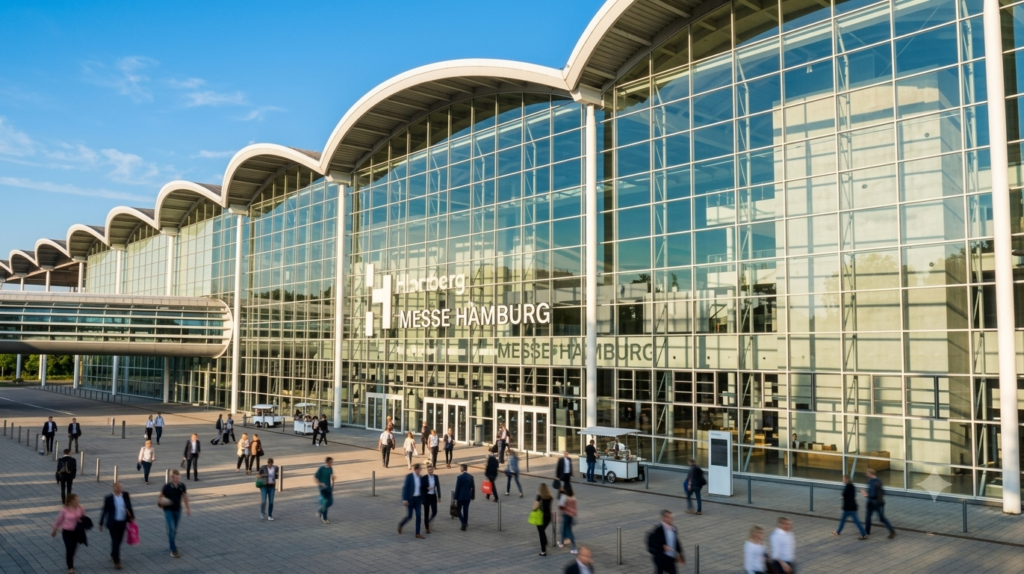
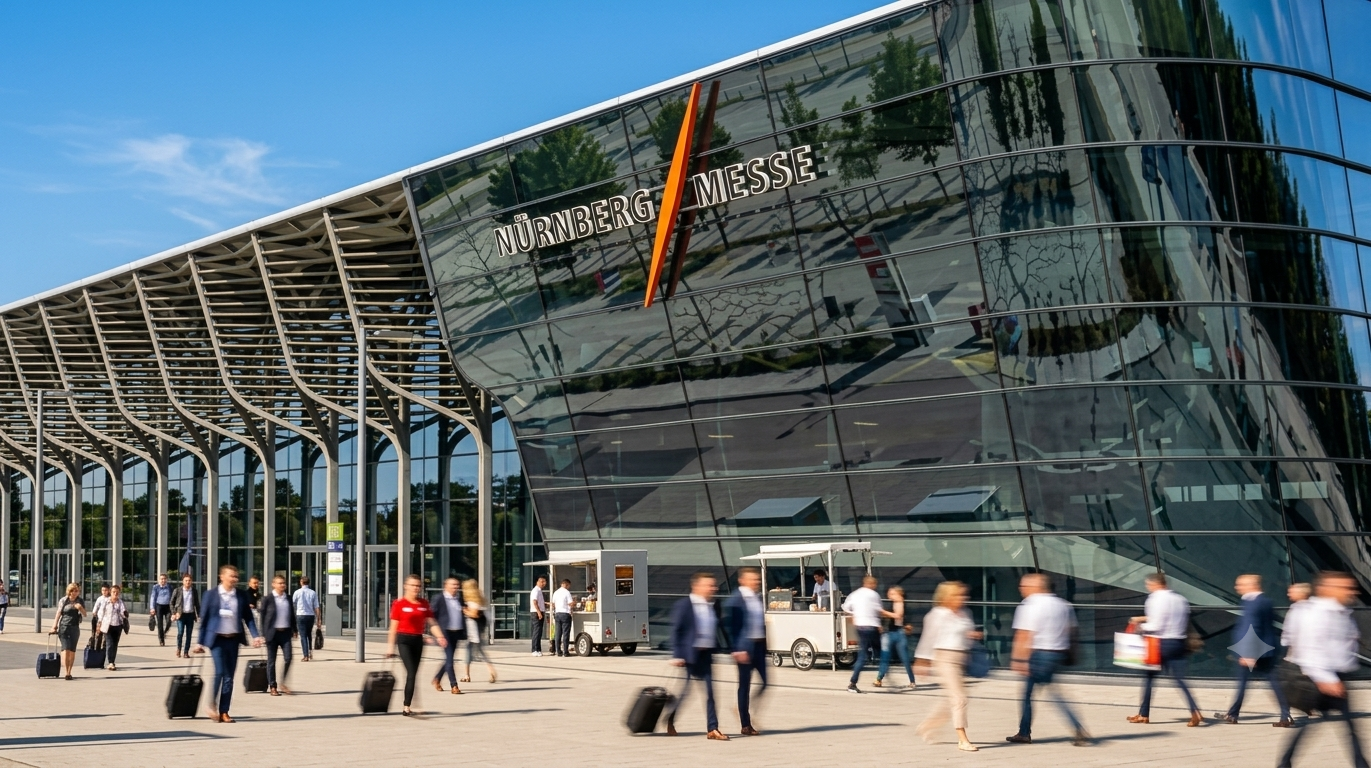
An Event Destination is a city, region, or venue ecosystem that is strategically positioned and developed to host meetings, incentives, conferences, exhibitions, and large-scale business events, offering the infrastructure, services, accessibility, and experiential environment required to attract international and domestic event organizers.
Within the global MICE ecosystem—Meetings, Incentives, Conferences, and Exhibitions—event destinations play a central role as competitive hubs for business tourism and industry gatherings, combining hospitality, transport connectivity, venue capacity, and professional event services into one integrated offering.
In the exhibition and live communications industry, an event destination is no longer just a location. It is a strategic business platform where industries meet, trade, innovate, and build global networks.

The Strategic Role of Event Destinations in the Global MICE Industry
Beyond Geography: Event Destinations as Business Ecosystems
Modern event destinations are not defined only by their physical location. They are defined by their ability to function as complete event ecosystems, combining:
- Exhibition centers and convention halls
- Hotels and accommodation capacity
- Airports and transport infrastructure
- Event service providers and DMCs
- Technology and digital event infrastructure
This integrated structure is what enables destinations to compete globally for high-value events.
Economic Engines for Regions and Cities
Event destinations are powerful drivers of economic activity. They generate impact across:
- Hospitality and hotel occupancy
- Transportation and logistics services
- Catering and F&B industries
- Local employment and service sectors
- Tourism and extended visitor stays
The MICE sector as a whole is widely recognized as a major contributor to global business tourism and destination economies.
Global Visibility and Brand Positioning for Cities
Cities that position themselves as leading event destinations gain:
- International brand recognition
- Investment attraction
- Industry relevance in key sectors
- Increased corporate headquarters interest
- Stronger global business networks
A successful event destination becomes a permanent fixture in global industry calendars.
Core Components of a Strong Event Destination
1. Exhibition and Convention Infrastructure
At the heart of every event destination is physical infrastructure such as:
- Exhibition halls and trade fair grounds
- Convention and conference centers
- Multipurpose event venues
- Flexible hall layouts for scalable events
These spaces must support complex logistics, high visitor volumes, and diverse event formats.
2. Accessibility and Transport Connectivity
A competitive event destination requires seamless access:
- International airports with global flight connections
- High-speed rail and road infrastructure
- Efficient urban mobility systems
- Freight and logistics accessibility for exhibitors
Ease of access directly influences event attendance and exhibitor participation.
3. Hospitality and Accommodation Capacity
Accommodation is a critical success factor:
- Business hotels and conference hotels
- Budget and mid-range lodging options
- Long-stay apartments for exhibitors and staff
- Proximity between venues and hotels
A well-developed hospitality ecosystem ensures smooth event operations.
4. Professional Event Services Ecosystem
Event destinations rely on specialized service networks, including:
- Destination Management Companies (DMCs)
- Professional Conference Organizers (PCOs)
- Exhibition stand builders
- Technical production providers
- Logistics and freight specialists
This ecosystem ensures that complex international events can be executed efficiently.
Types of Event Destinations
Global Gateway Cities
These are internationally recognized hubs that host flagship exhibitions and conferences, often characterized by:
- High global connectivity
- Large convention infrastructure
- Strong corporate presence
- Established event reputation
Regional Event Hubs
Regional destinations serve specific geographic markets and typically focus on:
- Industry-specific exhibitions
- Regional trade fairs
- Cross-border business events
Specialized Industry Destinations
Some destinations are known for specific sectors, such as:
- Technology clusters and innovation hubs
- Automotive and industrial regions
- Healthcare and medical conference cities
- Energy and sustainability centers
Emerging Event Destinations
These are fast-developing cities investing heavily in:
- New exhibition centers
- Tourism infrastructure
- International marketing strategies
- Government-supported event programs
Why Event Destination Strategy Matters in the Exhibition Industry
Attracting International Exhibitions and Trade Shows
Event destinations compete globally to host:
- International trade fairs
- Industry flagship events
- Corporate congresses
- Global summits
Winning these events requires strong infrastructure and strategic positioning.
Enhancing Exhibitor and Visitor Experience
A strong event destination improves experience through:
- Reduced travel friction
- Efficient venue access
- High-quality accommodation options
- Integrated mobility solutions
The destination itself becomes part of the overall event experience value proposition.
Driving Repeat Business and Long-Term Event Cycles
Successful destinations build:
- Long-term partnerships with organizers
- Recurring annual exhibitions
- Industry cluster ecosystems
- Sustainable event pipelines
This creates stable economic and reputational benefits.
Event Destination vs. Venue
Venue
- A single physical location
- Exhibition hall, convention center, or hotel
- Focused on event execution space
Event Destination
- Entire city or region ecosystem
- Includes venues, hotels, transport, and services
- Focused on full event experience and logistics
The key difference is scale: a venue hosts an event, while a destination enables the entire event ecosystem to function seamlessly.
Digital Transformation of Event Destinations
Smart Destination Infrastructure
Modern destinations integrate:
- Digital ticketing and registration systems
- Smart visitor flow management
- Real-time transport and navigation tools
- Data-driven event analytics platforms
Hybrid Event Integration
Event destinations increasingly support:
- Hybrid exhibitions and conferences
- Live streaming infrastructure
- Remote participation technologies
- Global digital access points
This extends the reach of physical destinations into the digital space.
Sustainable Destination Development
Sustainability is becoming a core requirement:
- Energy-efficient venues
- Green mobility solutions
- Waste reduction systems
- Sustainable event certifications
Destinations are increasingly evaluated on their environmental performance.
Frequently Asked Questions (FAQ)
What is an event destination?
An event destination is a city or region designed and equipped to host exhibitions, conferences, and business events with the necessary infrastructure and services.
What makes a good event destination?
Key factors include strong transport links, modern venues, hotel capacity, and a professional event services ecosystem.
Is an event destination the same as a venue?
No. A venue is a single location, while an event destination includes the entire city or regional ecosystem.
Why are event destinations important in the MICE industry?
They provide the infrastructure and environment needed to attract international business events and support global industry networking.
What industries benefit most from event destinations?
Nearly all industries benefit, especially technology, manufacturing, healthcare, energy, and consumer goods sectors.
How do cities become successful event destinations?
Through investment in infrastructure, international marketing, accessibility improvements, and hosting major exhibitions.
What is the future of event destinations?
The future is driven by smart infrastructure, sustainability, hybrid event integration, and data-driven visitor experiences.