
Case Studies & Project Stories
Case Studies & Project Stories
Real Trade Show Projects from Concept to Show Floor Execution
Case studies and project stories provide a transparent view into how trade show exhibitions are actually planned, engineered, built, installed and executed in real-world conditions.
Unlike conceptual design portfolios, these project narratives focus on operational reality—covering constraints, timelines, logistics, installation challenges, and on-site decision-making.
From custom booth builds at major international exhibition centers to complex multi-country rollouts, these stories document how exhibition environments are delivered under real operational pressure.
TradeShowsHub brings together these insights to showcase how the global exhibition industry functions beyond theory and design renderings.
Why Case Studies Matter in the Trade Show Industry
The exhibition industry is highly execution-driven.
Success is not defined by design alone, but by:
- on-time installation within strict venue schedules
- coordination of multiple contractors and disciplines
- logistics accuracy across international supply chains
- budget control under real project constraints
- on-site problem solving during build-up and dismantling
Case studies help document how these factors interact in real projects.
They provide a structured reference point for understanding what actually happens when exhibition plans are executed on the show floor.
From Design Intent to Built Reality
Every exhibition project begins with a concept—but success depends on execution.
Case studies typically follow the full lifecycle:
1. Concept & Strategy
- client objectives and brand positioning
- exhibition goals and target audience
- booth experience strategy and spatial planning
2. Design & Engineering
- stand design development
- technical drawings and structural planning
- material selection and feasibility checks
3. Fabrication & Production
- workshop manufacturing of booth elements
- graphic production and finishing
- pre-assembly and quality control
4. Logistics & Delivery
- transport coordination and freight planning
- international shipping or advance warehouse handling
- venue delivery scheduling
5. Installation & Show Site Execution
- on-site assembly under strict time constraints
- electrical, AV and structural integration
- final finishing and quality approval
6. Dismantling & Reverse Logistics
- structured teardown after show close
- packing, labeling and material handling
- return transport or storage coordination
Each phase plays a critical role in overall project success.
What Makes a Strong Exhibition Case Study
In the exhibition industry, not all project descriptions qualify as meaningful case studies.
A professional case study typically includes:
- clear project objectives and constraints
- booth size, venue and event context
- design approach and technical execution strategy
- logistics and installation methodology
- on-site challenges and how they were solved
- outcomes in terms of performance or efficiency
Leading industry publications such as EXHIBITOR Magazine and Exhibit City News emphasize operational detail and execution clarity as key elements of credible case reporting.
Booth Construction Projects Under Real Venue Conditions
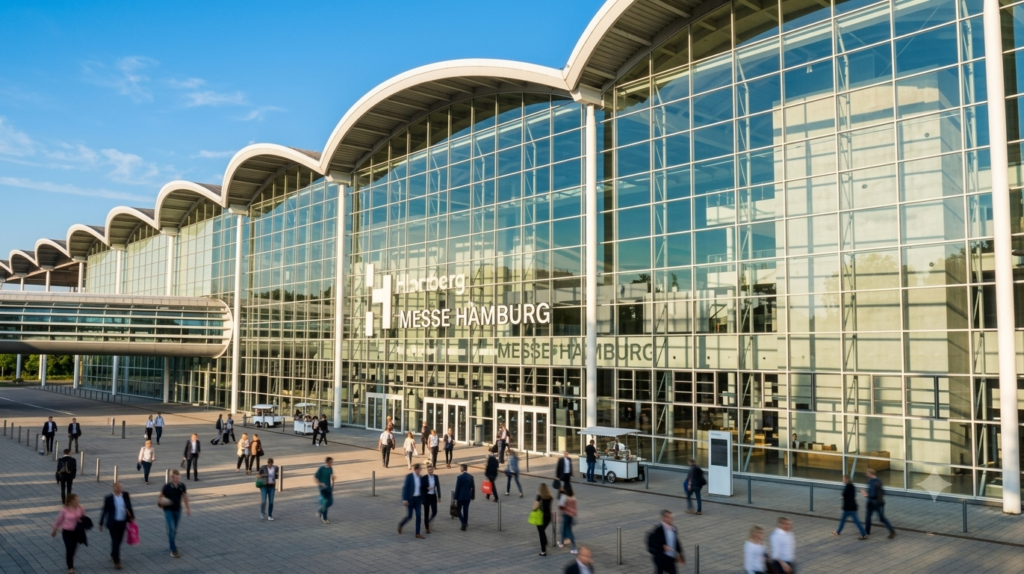
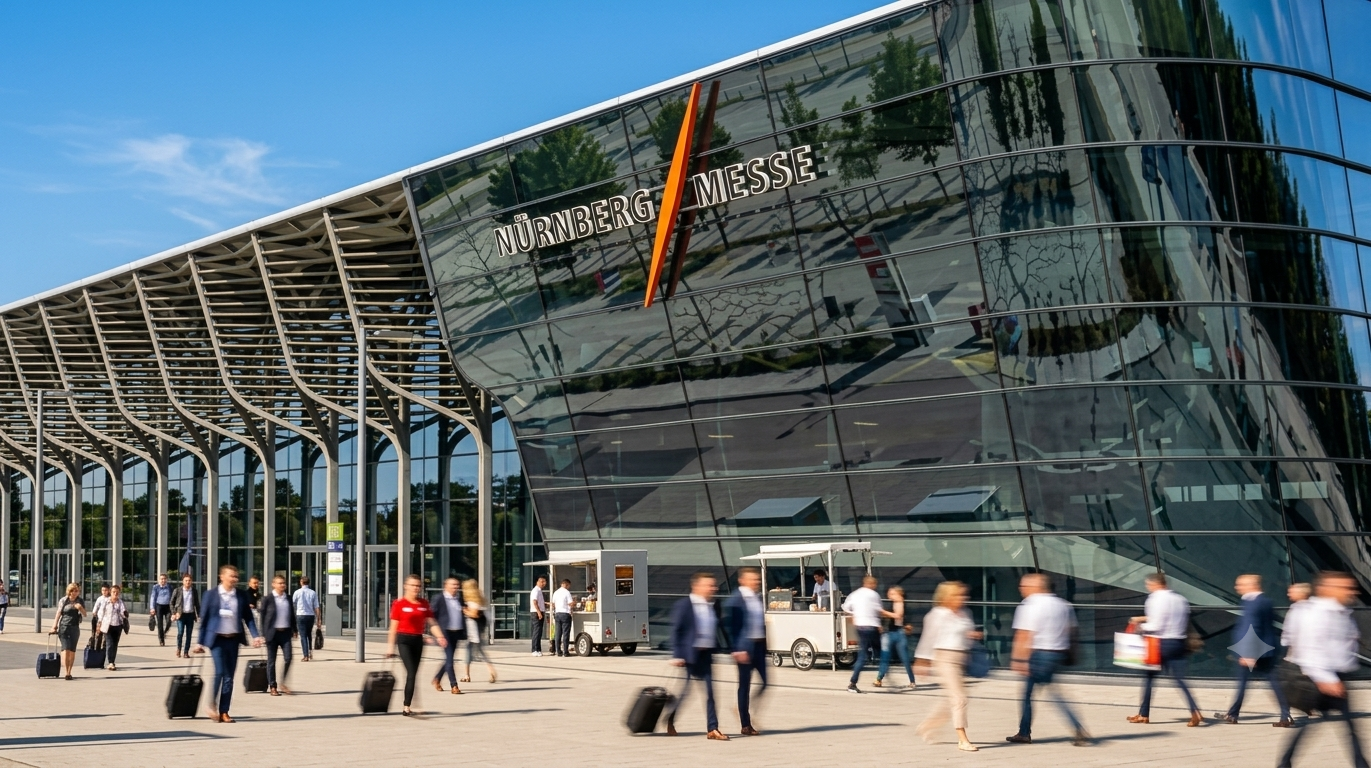
Trade show case studies often highlight execution within major exhibition venues such as:
- large international convention centers
- multi-hall trade fair environments
- venues with strict labor and logistics regulations
- high-traffic global industry exhibitions
These environments introduce operational complexity such as:
- limited installation time windows
- simultaneous multi-booth construction
- strict freight and loading dock scheduling
- union labor coordination in certain markets
- safety and compliance requirements
Case studies show how teams adapt to these conditions in real time.
International Exhibition Projects
Many modern exhibition projects operate across multiple countries and continents.
International case studies typically involve:
- cross-border logistics coordination
- customs and temporary import documentation
- multi-language project communication
- regional labor and venue differences
- global brand consistency requirements
These projects highlight the importance of integrated planning across design, logistics and execution teams.
Installation & On-Site Execution Challenges
A major focus of exhibition case studies is the installation phase.
This is where planning is tested under real operational pressure.
Common challenges include:
- delayed freight arrival
- missing or damaged components
- last-minute design adjustments
- simultaneous work by multiple contractors
- strict venue deadlines for opening readiness
Case studies document how experienced teams resolve these issues within limited timeframes.
Logistics and Material Flow in Real Projects
Material handling and logistics are often decisive factors in project success.
Case studies typically show:
- advance warehouse strategies
- just-in-time delivery coordination
- material labeling and tracking systems
- reverse logistics after show breakdown
- international freight coordination
Efficient logistics directly impacts installation speed and overall project stability.
Custom Builds vs System-Based Execution in Case Studies
Project stories often compare two dominant execution models:
Custom-Built Exhibition Projects
- highly tailored architectural environments
- complex fabrication requirements
- premium materials and bespoke structures
- higher installation complexity
System-Based Exhibition Builds
- modular reusable components
- faster installation cycles
- scalable configurations
- optimized logistics and storage
Many real-world projects combine both approaches depending on budget, timeline and brand requirements.
Technology Integration in Real Projects
Modern case studies increasingly include digital and interactive elements such as:
- LED walls and large-format displays
- interactive product demonstrations
- AV integration and presentation systems
- digital lead capture tools
- immersive brand experiences
Technology is now a core part of exhibition execution, not an optional enhancement.
Measuring Success in Exhibition Case Studies
Unlike purely visual portfolios, industry case studies evaluate success based on operational and commercial outcomes, such as:
- adherence to installation timelines
- budget efficiency and cost control
- lead generation performance
- visitor engagement quality
- logistical execution reliability
- post-event operational efficiency
This reflects the industry’s shift toward performance-driven exhibition strategies.
Sustainability in Exhibition Projects
Many modern case studies also highlight sustainability considerations, including:
- reusable modular construction systems
- reduced material waste during fabrication
- optimized transport and freight planning
- energy-efficient booth design elements
- circular usage of exhibition components
Sustainability is increasingly integrated into both design and execution phases.
Why Project Stories Are Essential Industry Knowledge
Case studies serve as a critical knowledge base for the exhibition industry because they:
- document real-world execution challenges
- share best practices across disciplines
- improve future project planning and forecasting
- bridge the gap between design and operations
- provide transparency into complex workflows
They are one of the most valuable learning tools for professionals across the exhibition ecosystem.