Visitor Traffic
What Is Visitor Traffic?
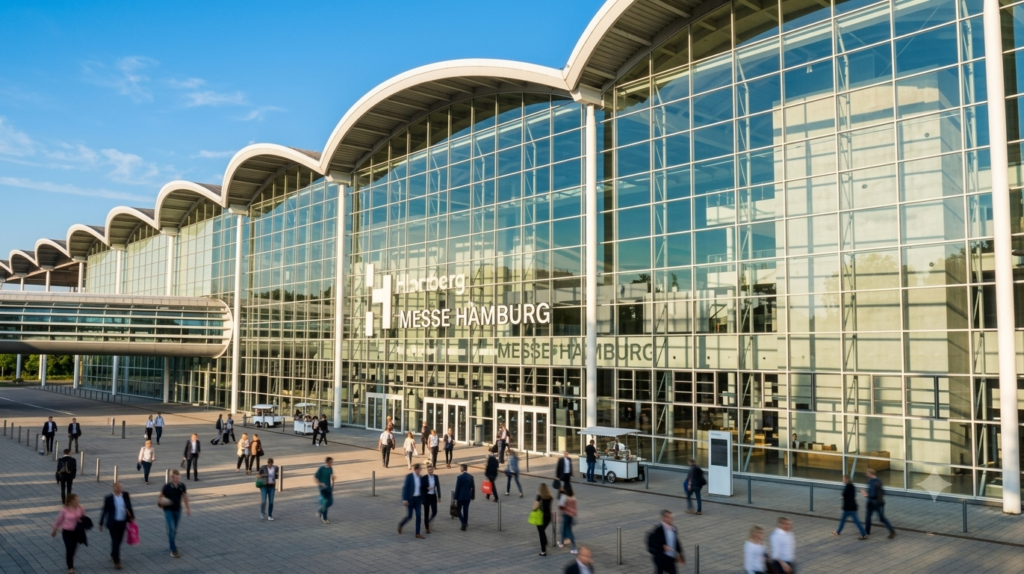
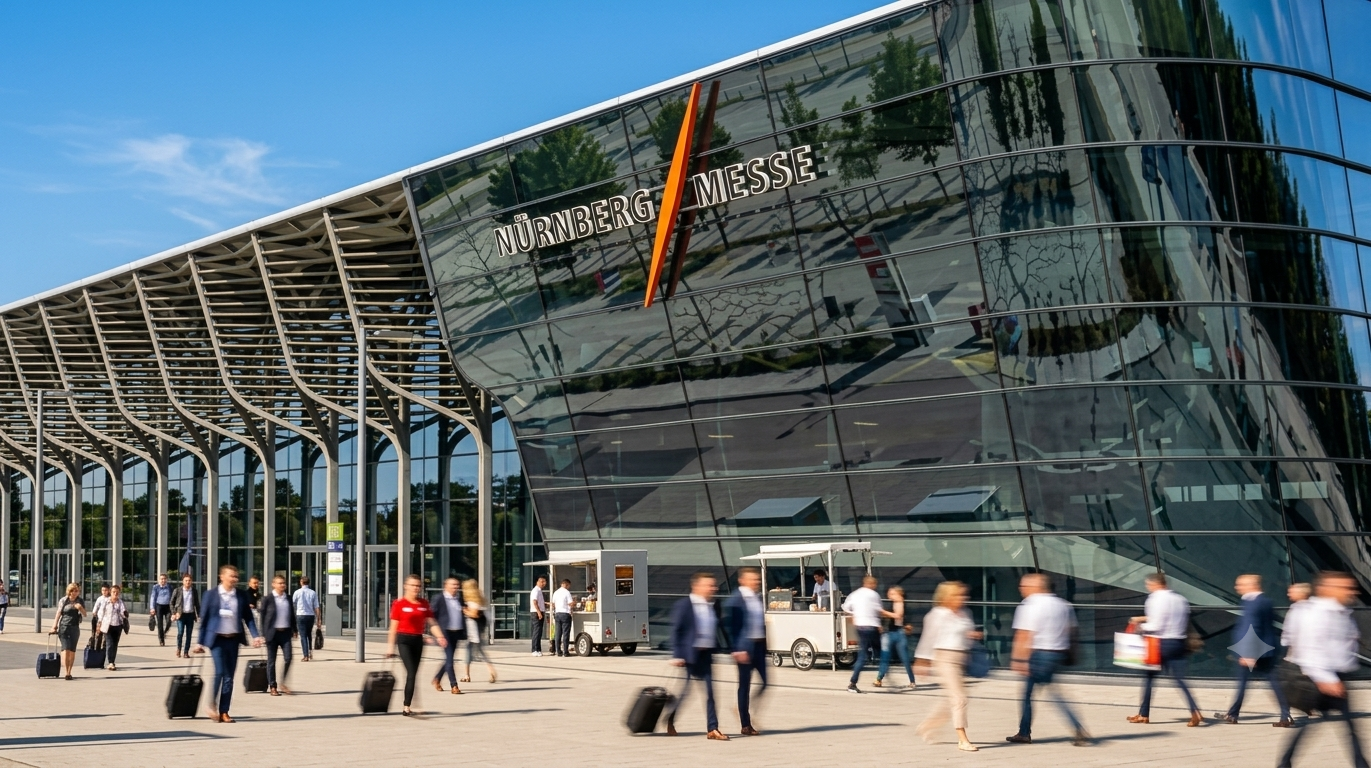
Visitor Traffic refers to the measurable flow, volume, and movement patterns of attendees within an event environment—such as a trade show, exhibition, convention, or conference—including how many people enter the venue, how they circulate through halls, how they engage with booths or sessions, and where concentration points or bottlenecks occur.
In the global event and exhibition industry, visitor traffic is one of the most critical performance indicators for space planning, exhibitor ROI evaluation, and event design optimization. It reflects not only how many people attend, but how effectively they move through and interact with the event ecosystem.
Visitor traffic is closely linked to concepts such as visitor flow, booth traffic, dwell time, and engagement density, all of which are used to evaluate the effectiveness of spatial design and audience engagement strategies.

The Strategic Importance of Visitor Traffic in Events
A Core KPI for Event Performance
Visitor traffic is one of the primary metrics used to assess event success:
- Total number of attendees entering the venue
- Distribution of visitors across halls and zones
- Peak traffic periods during the event day
- Engagement levels at exhibitor booths
This data allows organizers and exhibitors to evaluate whether the event delivers meaningful audience exposure and business opportunity.
The Engine Behind Exhibitor ROI
For exhibitors, visitor traffic directly determines:
- Number of qualified booth interactions
- Lead generation potential
- Brand visibility within high-density zones
- Conversion opportunities during peak traffic windows
Even small differences in traffic distribution can significantly impact commercial performance on the show floor.
A Spatial Intelligence System for Event Design
Modern event planning treats visitor traffic as a form of spatial intelligence:
- Identifying high-traffic corridors
- Designing optimal booth placement strategies
- Reducing congestion in key areas
- Improving navigation and signage systems
Visitor movement data is increasingly analyzed through heatmaps, tracking systems, and digital analytics tools to optimize layouts.
How Visitor Traffic Works in Exhibition Environments
1. Entry-Level Traffic (Venue Access Flow)
This refers to the initial influx of visitors into the event:
- Registration and badge pickup zones
- Entry gates and security checkpoints
- Peak arrival times (morning surges, keynote sessions)
A well-managed entry flow ensures smooth distribution of visitors across the venue.
2. Hall-Level Traffic Distribution
Once inside, traffic spreads across:
- Exhibition halls
- Themed zones and pavilions
- Conference stages and session rooms
- Food courts and networking areas
Each zone competes for attention, making layout design a critical factor in traffic balance.
3. Booth-Level Traffic (Micro Flow)
At the exhibitor level, visitor traffic becomes highly granular:
- Entry and exit points of booths
- Dwell time in demo areas
- Queue formation for product experiences
- Interaction density per square meter
This is where conversion-oriented engagement happens in real time.
4. Movement Patterns and Behavioral Flow
Visitor traffic is not random—it follows predictable behavioral logic:
- Attraction to anchor stands and landmarks
- Movement along main aisles and intersections
- Clustering around live demonstrations
- Avoidance of congested bottlenecks
Understanding these patterns is essential for strategic booth positioning and event layout design.
Key Factors Influencing Visitor Traffic
1. Floorplan and Spatial Design
The exhibition layout has the strongest impact on traffic behavior:
- Main aisles vs. secondary aisles
- Visibility of booths from long distances
- Placement of anchor tenants and key brands
- Open vs. closed booth structures
A well-designed floorplan naturally guides traffic toward high-value interaction zones.
2. Event Programming and Scheduling
Traffic peaks are strongly influenced by:
- Keynote sessions and headline speakers
- Product launch timings
- Networking events and receptions
- Workshop scheduling
These elements create predictable surges in visitor movement.
3. Exhibitor Attraction Strategies
Exhibitors influence traffic through:
- Interactive demos and live experiences
- Digital signage and LED walls
- Giveaways and promotional activations
- Engaging booth staff and storytelling
Strong activation strategies help convert passive traffic into active engagement.
4. Signage and Navigation Systems
Clear navigation improves flow efficiency:
- Directional signage
- Digital wayfinding systems
- Mobile event apps
- Hall maps and interactive kiosks
Poor navigation leads to uneven traffic distribution and missed engagement opportunities.
Visitor Traffic Measurement and Analytics
Quantitative Measurement Methods
Visitor traffic is tracked using:
- Entry scan systems and badge tracking
- WiFi and Bluetooth analytics
- Camera-based counting systems
- Heatmap visualization tools
These methods help quantify how many people move through specific zones and when.
Qualitative Traffic Insights
Beyond numbers, organizers also analyze:
- Visitor dwell time at booths
- Interaction quality and engagement depth
- Flow direction and decision paths
- Congestion points and bottlenecks
This transforms traffic into actionable behavioral intelligence.
Real-Time Optimization
Advanced events now adjust traffic conditions during live operations:
- Redirecting flow via signage updates
- Adjusting session timing
- Opening or closing pathways
- Managing crowd density in peak zones
This creates a dynamic real-time event optimization system.
Why Visitor Traffic Matters in the Event Industry
A Direct Indicator of Event Success
High visitor traffic alone is not enough—it must be:
- Well-distributed
- High-quality (relevant audience)
- Engaged and active
Balanced traffic reflects a healthy and commercially effective event ecosystem.
A Driver of Exhibitor Investment Decisions
Exhibitors evaluate future participation based on:
- Traffic volume at their booth
- Traffic quality (buyer relevance)
- Peak vs. off-peak engagement patterns
- Conversion efficiency per visitor
This directly influences rebooking and sponsorship decisions.
A Foundation for Data-Driven Event Design
Visitor traffic data enables:
- Smarter floorplan design
- Improved hall zoning strategies
- Better scheduling of content programs
- Enhanced attendee experience design
Visitor Traffic vs. Visitor Flow vs. Booth Traffic
Visitor Traffic
- Total movement and volume across the entire event
- Macro-level performance metric
Visitor Flow
- Movement paths and directional behavior through space
- Spatial navigation and routing logic
Booth Traffic
- Micro-level engagement at exhibitor stands
- Conversion-focused interaction metric
Each layer provides a different level of insight into event performance.
Frequently Asked Questions (FAQ)
What is visitor traffic in an exhibition?
Visitor traffic refers to the number and movement patterns of attendees throughout an event space, including halls, aisles, and booths.
Why is visitor traffic important?
It helps measure event success, optimize layouts, and evaluate exhibitor ROI based on engagement levels.
How is visitor traffic measured?
Through badge scans, WiFi tracking, heatmaps, camera systems, and manual counting methods.
What is the difference between visitor traffic and visitor flow?
Visitor traffic refers to volume, while visitor flow refers to movement patterns and direction within the space.
What affects visitor traffic at events?
Floorplan design, event programming, signage, exhibitor activities, and crowd management systems.
Can visitor traffic be controlled?
Yes, through layout design, scheduling, signage, and real-time crowd management strategies.
Why do exhibitors care about visitor traffic?
Because it directly impacts lead generation, brand exposure, and overall return on investment.