Exhibition
What Is an Exhibition?
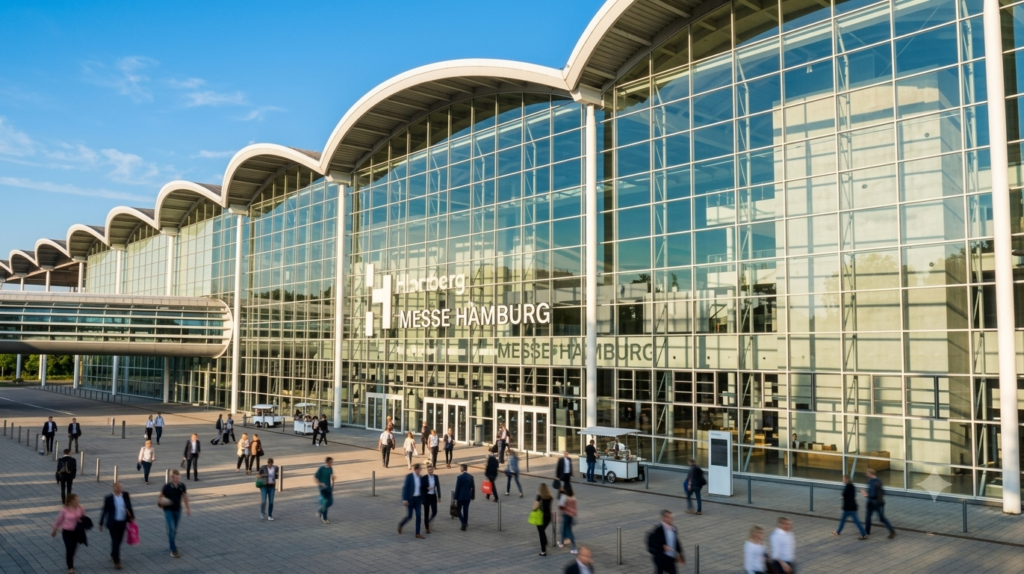
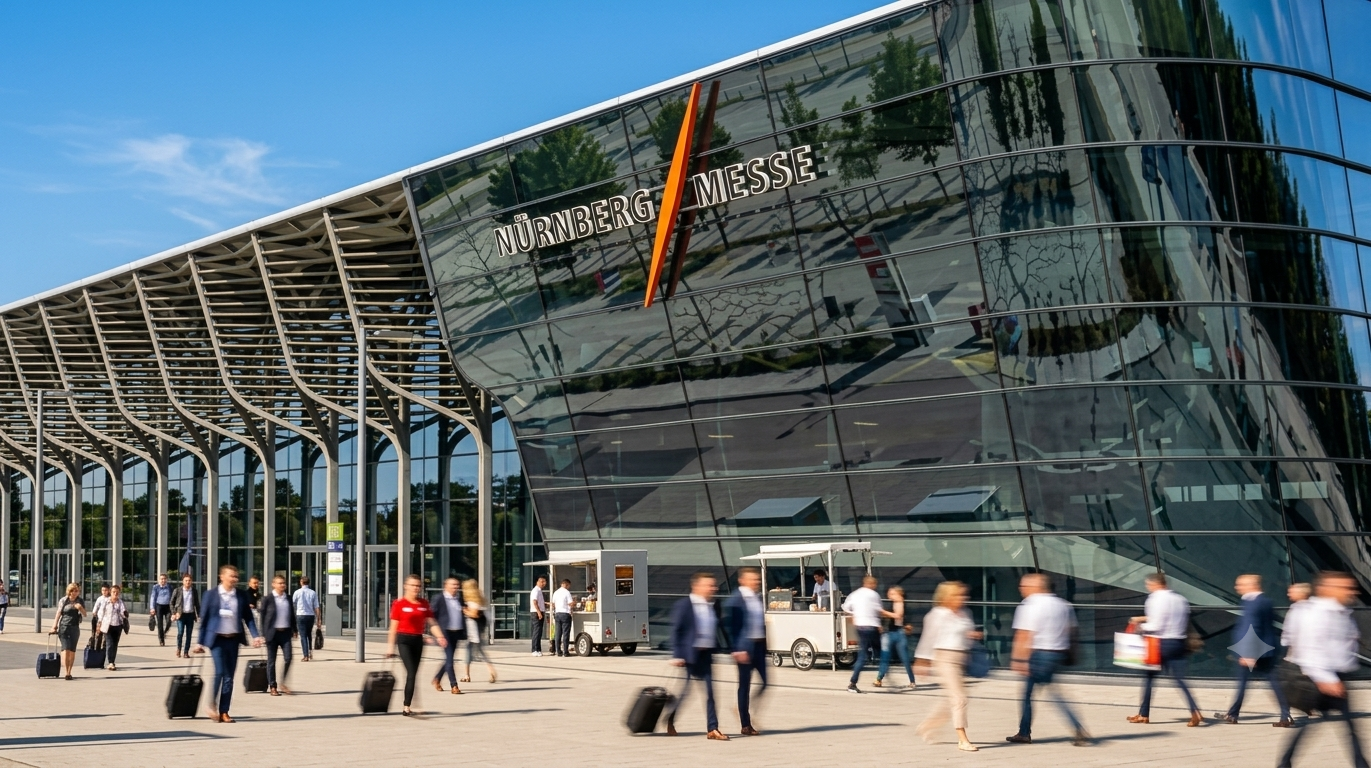
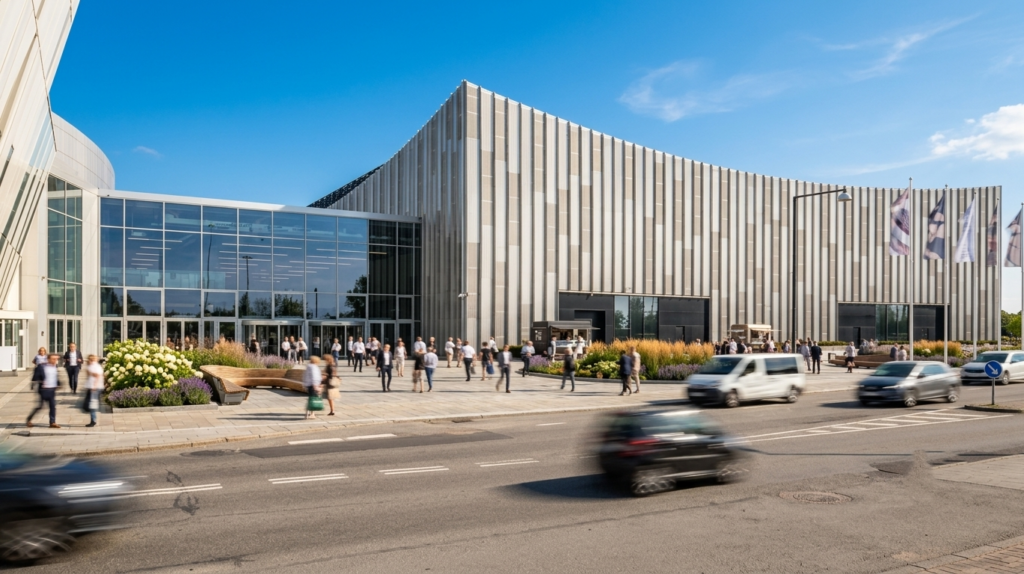
An Exhibition is a temporary, organized public or industry-focused event where products, services, ideas, artworks, or innovations are displayed within a structured venue environment—typically an exhibition center or convention hall—to facilitate visibility, communication, networking, and knowledge exchange between exhibitors and visitors.
In the global event industry, exhibitions are understood as curated environments of exchange, where businesses, institutions, and organizations present offerings in a spatially designed format that encourages interaction and discovery.
Exhibitions can range from small specialized showcases to large international industry events such as world expos or sector-specific trade fairs, all operating within a defined timeframe and venue structure.
The Strategic Role of Exhibitions in the Global Event Ecosystem
Temporary Marketplaces of Ideas, Products, and Innovation
At their core, exhibitions function as temporary marketplaces, where industries converge to exchange value:
- Companies present innovations and product launches
- Buyers evaluate solutions in real time
- Competitors benchmark positioning and technology
- Media and analysts document industry trends
This condensed environment accelerates business discovery cycles and decision-making processes.
A Physical Interface for Industry Communication
Unlike digital channels, exhibitions provide a tangible communication platform, where:
- Products can be experienced physically
- Technologies can be demonstrated live
- Complex solutions can be explained face-to-face
- Trust is built through direct interaction
This physical dimension remains a key differentiator in modern B2B ecosystems.
Knowledge Exchange and Industry Development
Exhibitions are also structured knowledge platforms:
- Technical presentations and forums
- Keynote speeches and panel discussions
- Research showcases and innovation labs
- Educational and training zones
This transforms exhibitions into hybrid environments of commerce and knowledge transfer.
Types of Exhibitions in the Modern Event Industry
Trade Exhibitions (B2B Focused)
Trade exhibitions are designed for professional audiences:
- Industry buyers and procurement teams
- Manufacturers and suppliers
- Technical specialists and engineers
They focus on business development, sourcing, and industry networking.
Consumer Exhibitions (B2C Focused)
Consumer exhibitions are open to the general public:
- Product showcases
- Retail and lifestyle experiences
- Entertainment-driven formats
These events emphasize brand experience and direct consumer engagement.
Industry-Specific Exhibitions
Highly specialized exhibitions focus on:
- Technology and IT systems
- Construction and engineering
- Healthcare and medical innovation
- Automotive and mobility sectors
These events are designed for deep vertical market engagement.
International Exhibitions
An exhibition is considered international when it attracts significant global participation:
- Minimum share of foreign exhibitors
- Cross-border visitor engagement
- Multinational industry representation
This creates a global business exchange platform within a single venue.
Hybrid and Digital Exhibitions
Modern exhibitions increasingly combine physical and digital formats:
- On-site exhibition halls
- Virtual participation platforms
- Live-streamed content and sessions
- Digital networking environments
This hybrid model extends reach and accessibility beyond physical constraints.
Core Components of an Exhibition Environment
Exhibition Floor and Spatial Design
The exhibition floor is the operational core:
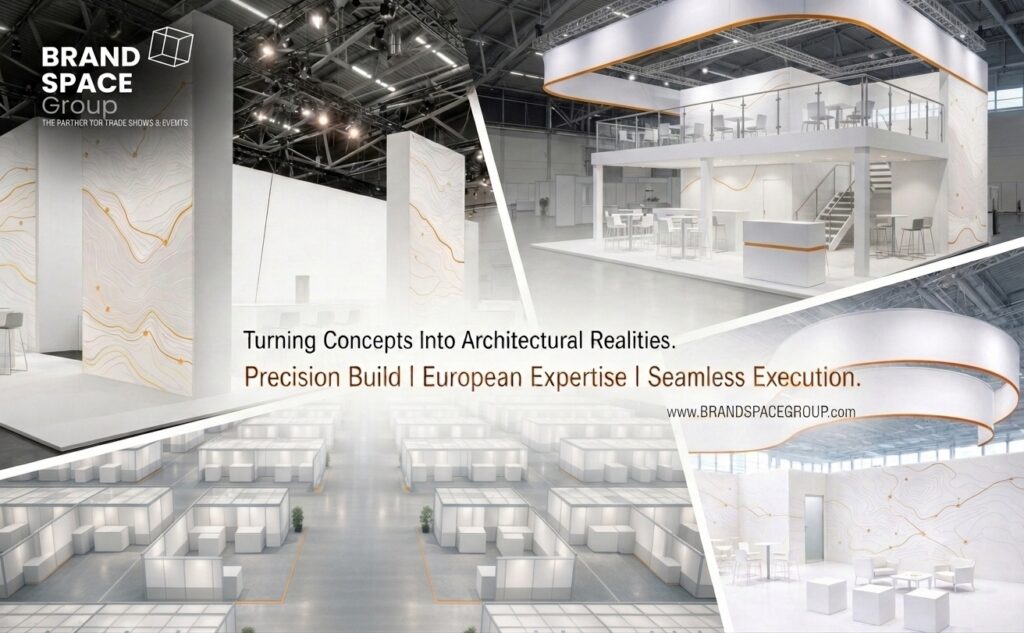
- Booth structures and brand spaces
- Aisles and visitor circulation systems
- Zoning by industry or theme
- Experience and demo areas
Spatial design directly influences visitor flow and engagement behavior.
Exhibitors as Economic Drivers
Exhibitors represent the commercial foundation:
- Product manufacturers
- Service providers
- Startups and innovators
- Industry leaders and sponsors
Their presence defines the value and relevance of the exhibition.
Visitors and Target Audiences
Exhibitions attract structured visitor profiles:
- Industry professionals and buyers
- Decision-makers and executives
- Media representatives and analysts
- Technical specialists and consultants
This ensures high-quality business interactions.
Infrastructure and Venue Systems
Exhibitions rely on advanced venue infrastructure:
- Large-scale exhibition halls
- Logistics and freight systems
- Technical services (lighting, power, rigging)
- Safety and crowd management systems
Venues function as temporary, high-performance business environments.
Why Exhibitions Matter in Modern Business and Industry
High-Impact Business Development Platforms
Exhibitions remain one of the most effective environments for:
- Lead generation
- Product launches
- Partner acquisition
- Market expansion
They concentrate months of business activity into a few days.
Real-Time Market Feedback
Exhibitors gain immediate insights:
- Customer reactions to products
- Competitor benchmarking
- Pricing and positioning feedback
- Market demand signals
This makes exhibitions a live validation environment for innovation.
Brand Visibility in Competitive Environments
Exhibitions offer unmatched exposure:
- Physical brand presence among competitors
- Industry press coverage
- Sponsorship visibility
- Live product storytelling
Networking and Relationship Building
Unlike digital platforms, exhibitions enable:
- Face-to-face relationship building
- High-trust interactions
- Multi-stakeholder discussions
- Immediate negotiation opportunities
Exhibition vs Trade Show vs Expo
Exhibition
- Broad term for any structured display event
- Includes B2B, B2C, cultural, and hybrid formats
Trade Show
- Business-focused exhibition
- Primarily B2B and industry-specific
Expo
- Large-scale international exhibition format
- Often multi-industry or thematic
Each serves a different scale and market purpose within the event ecosystem.
Technology and the Future of Exhibitions
Digital Transformation
Modern exhibitions integrate:
- Event apps and digital catalogs
- Smart registration systems
- Interactive exhibitor portals
- Real-time analytics platforms
Hybrid Event Models
The future of exhibitions is increasingly hybrid:
- Physical + virtual participation
- Global audience expansion
- On-demand content access
- Remote networking capabilities
Data-Driven Event Optimization
Exhibitions now generate actionable data:
- Visitor behavior tracking
- Booth engagement analytics
- Lead scoring and conversion insights
- Post-event performance metrics
Frequently Asked Questions (FAQ)
What is an exhibition?
An exhibition is a structured event where products, services, or ideas are displayed for business, cultural, or public engagement.
What is the purpose of an exhibition?
The purpose is to showcase offerings, generate business opportunities, and facilitate networking and knowledge exchange.
What is the difference between an exhibition and a trade show?
A trade show is a type of exhibition focused specifically on B2B industry audiences.
Who attends exhibitions?
Exhibitions are attended by buyers, industry professionals, exhibitors, media, and sometimes the general public.
Are exhibitions only for businesses?
No, exhibitions can be business-focused, consumer-oriented, cultural, or educational.
How long does an exhibition last?
Most exhibitions last between two and five days, depending on size and industry.
What is a hybrid exhibition?
A hybrid exhibition combines physical event spaces with digital participation platforms for remote access.