Venue
What Is a Venue?
A Venue is a physical or hybrid location where an organized event takes place, including trade shows, exhibitions, conferences, conventions, corporate meetings, and live experiences, serving as the foundational infrastructure that defines the spatial, technical, and experiential conditions under which an event is executed.
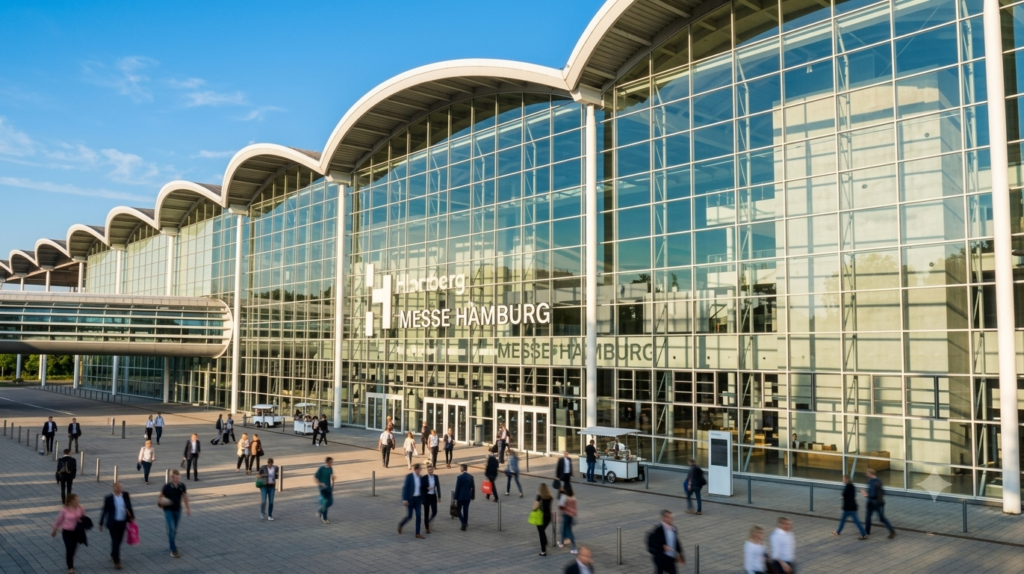
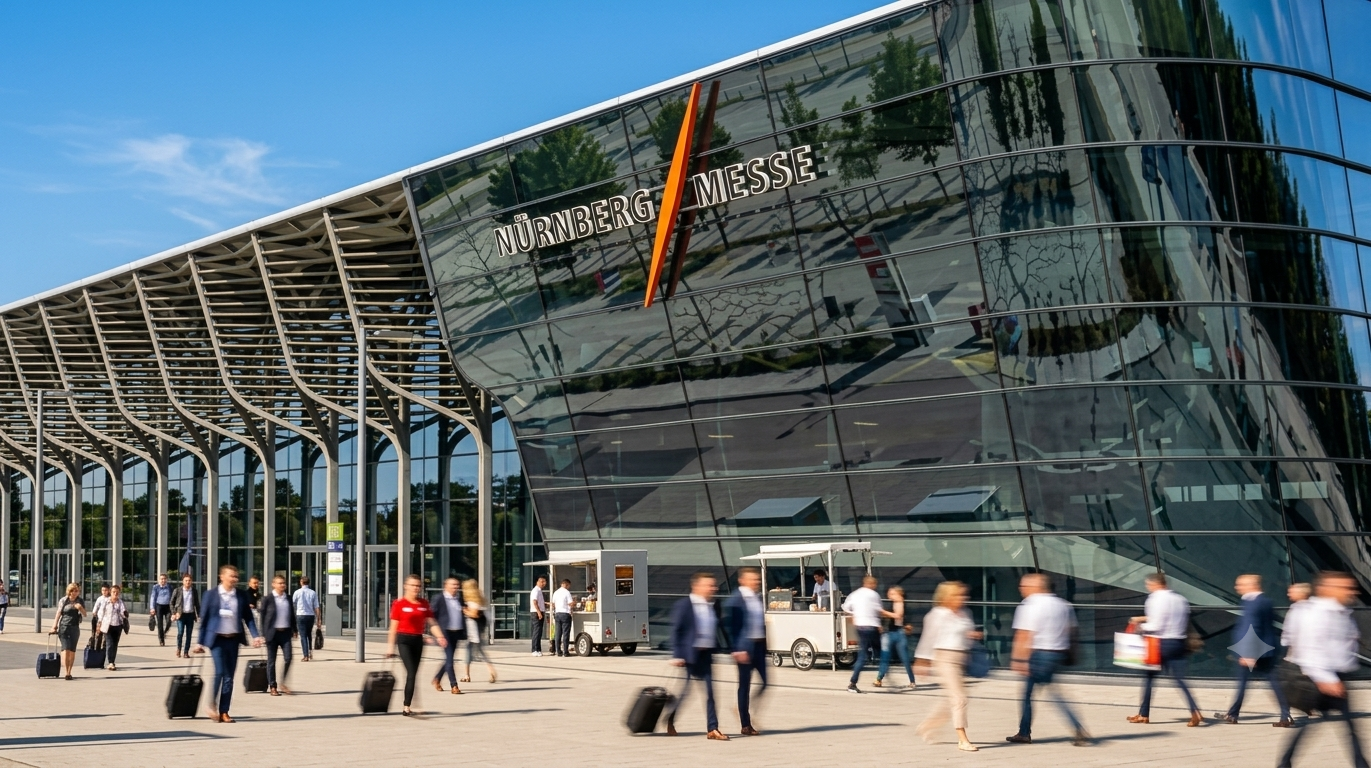
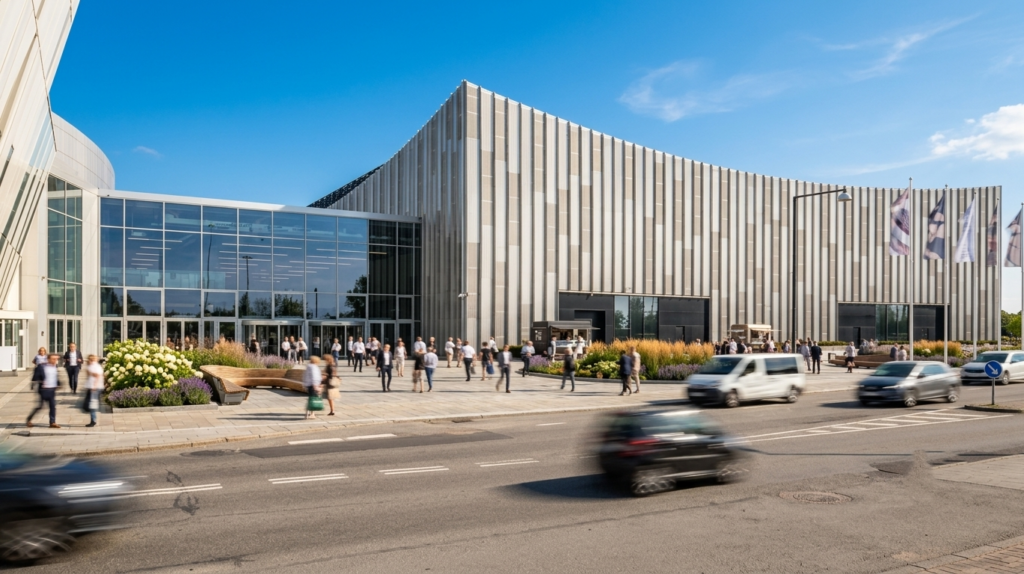
In the global MICE industry, the venue is not simply a backdrop—it is the operational and experiential core of every event, shaping attendee movement, exhibitor performance, technical feasibility, and overall event success. A venue can range from purpose-built convention centers and exhibition halls to hotels, arenas, outdoor grounds, or hybrid digital environments.
At its core, the venue functions as the physical stage where business, knowledge exchange, and brand experiences converge.

The Strategic Role of a Venue in the Event Ecosystem
The Foundation of Every Event Experience
Every successful event begins with the venue. It determines:
- Capacity and audience scale
- Spatial layout and exhibitor positioning
- Visitor flow and traffic dynamics
- Technical infrastructure and production capabilities
The venue is therefore the structural backbone of the entire event ecosystem.
More Than a Location: A Strategic Asset
In modern event planning, a venue is evaluated not just geographically, but strategically:
- Does it support brand positioning?
- Can it handle expected visitor traffic?
- Does it enhance exhibitor ROI?
- Does it enable smooth logistics and operations?
A well-chosen venue directly influences commercial success and attendee satisfaction.
The Experience Engine of Events
The venue defines the atmosphere and emotional perception of an event:
- Architecture influences engagement behavior
- Hall layout affects movement and interaction
- Lighting and acoustics shape experience quality
- Infrastructure determines production possibilities
This makes the venue a critical driver of experiential design.
Types of Venues in the Global Event Industry
Convention Centers
Convention centers are large-scale, purpose-built facilities designed for major events such as trade shows, congresses, and exhibitions. They typically include:
- Massive exhibition halls
- Auditoriums and plenary rooms
- Breakout and meeting spaces
- Integrated service infrastructure
These venues are engineered to host thousands of attendees simultaneously with complex event logistics.
Exhibition Halls
Exhibition halls are optimized for:
- Large-scale product showcases
- Trade fairs and B2B exhibitions
- Flexible booth configurations
- High-capacity visitor flow
They are designed for commercial interaction at scale, enabling exhibitors to present products and services in structured environments.
Conference and Meeting Venues
These include:
- Conference hotels
- Seminar centers
- Corporate meeting facilities
They are optimized for:
- Knowledge exchange
- Workshops and presentations
- Networking sessions
- Smaller, focused audience groups
Hybrid and Digital Venues
Modern event ecosystems now extend into digital environments:
- Virtual event platforms
- Hybrid streaming infrastructure
- Online networking systems
These venues enable global participation beyond physical boundaries.
Unique and Non-Traditional Venues
Events are increasingly hosted in alternative spaces such as:
- Museums and cultural institutions
- Stadiums and arenas
- Industrial spaces and warehouses
- Outdoor and open-air environments
- Branded experiential locations
These venues are used to create distinctive and immersive brand experiences.
Core Components of a Modern Venue
Spatial Infrastructure
A professional venue typically includes:
- Modular halls and partition systems
- Flexible seating configurations
- Loading docks and freight access
- Dedicated exhibition zones
This enables transformation between different event formats.
Technical Infrastructure
Modern venues are equipped with:
- High-capacity electrical systems
- Lighting and rigging points
- AV and broadcast capabilities
- High-speed connectivity
These systems are essential for contemporary hybrid and live production standards.
Operational Support Systems
Venues also include:
- Registration and entry infrastructure
- Security and crowd management systems
- Catering and hospitality services
- Cleaning and waste management operations
These elements ensure safe and efficient event execution.
The Role of Venue Selection in Event Success
Influencing Attendee Experience
The venue directly impacts:
- First impressions and arrival experience
- Navigation and accessibility
- Comfort and engagement levels
- Overall event satisfaction
A poorly chosen venue can negatively affect even the best-designed event program.
Determining Exhibitor Performance
For exhibitors, the venue affects:
- Booth visibility and positioning
- Visitor traffic flow
- Technical feasibility of installations
- Lead generation potential
Venue design directly influences return on investment (ROI).
Shaping Operational Efficiency
Venue selection determines:
- Load-in and load-out speed
- Contractor coordination complexity
- Staffing requirements
- Risk and safety management
Efficient venues reduce operational friction significantly.
Venue vs Event Space vs Location
Venue
- Fully equipped event-ready facility
- Includes infrastructure and services
- Designed for structured events
Event Space
- Generic space adaptable for events
- May require additional infrastructure setup
Location
- Geographic area or address
- May or may not be event-ready
The venue is the most complete and event-specific concept among the three.
The Evolution of Venues in the Modern Event Industry
From Static Buildings to Flexible Ecosystems
Modern venues are no longer static spaces. They are:
- Modular and reconfigurable environments
- Technology-integrated ecosystems
- Multi-purpose event platforms
- Hybrid-ready infrastructures
Data-Driven Venue Management
Advanced venues now use:
- Visitor tracking and heatmaps
- Real-time occupancy monitoring
- Predictive flow analytics
- Smart scheduling systems
This enables continuous optimization of event performance.
Sustainability and Smart Infrastructure
Modern venue development increasingly focuses on:
- Energy efficiency systems
- Sustainable construction and operations
- Waste reduction strategies
- Digital-first operational processes
Frequently Asked Questions (FAQ)
What is a venue?
A venue is a physical or digital location where events such as exhibitions, conferences, or trade shows take place.
Why is a venue important for events?
Because it determines capacity, layout, technical capabilities, visitor experience, and overall event success.
What are examples of venues?
Convention centers, exhibition halls, hotels, arenas, outdoor spaces, and digital platforms.
What is the difference between a venue and a location?
A location is a geographic place, while a venue is an event-ready space with infrastructure and services.
What makes a good event venue?
Accessibility, capacity, technical infrastructure, layout flexibility, and support services.
Can a venue be virtual?
Yes, modern events often include digital or hybrid venues for online participation.
Who manages a venue?
Venues are typically operated by venue management companies, convention centers, or facility owners specializing in event operations.