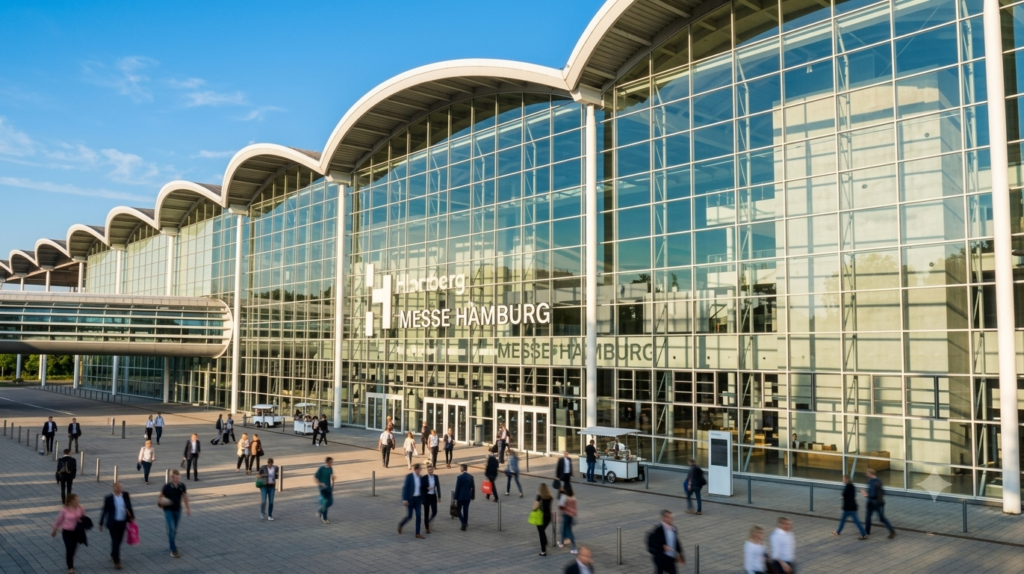
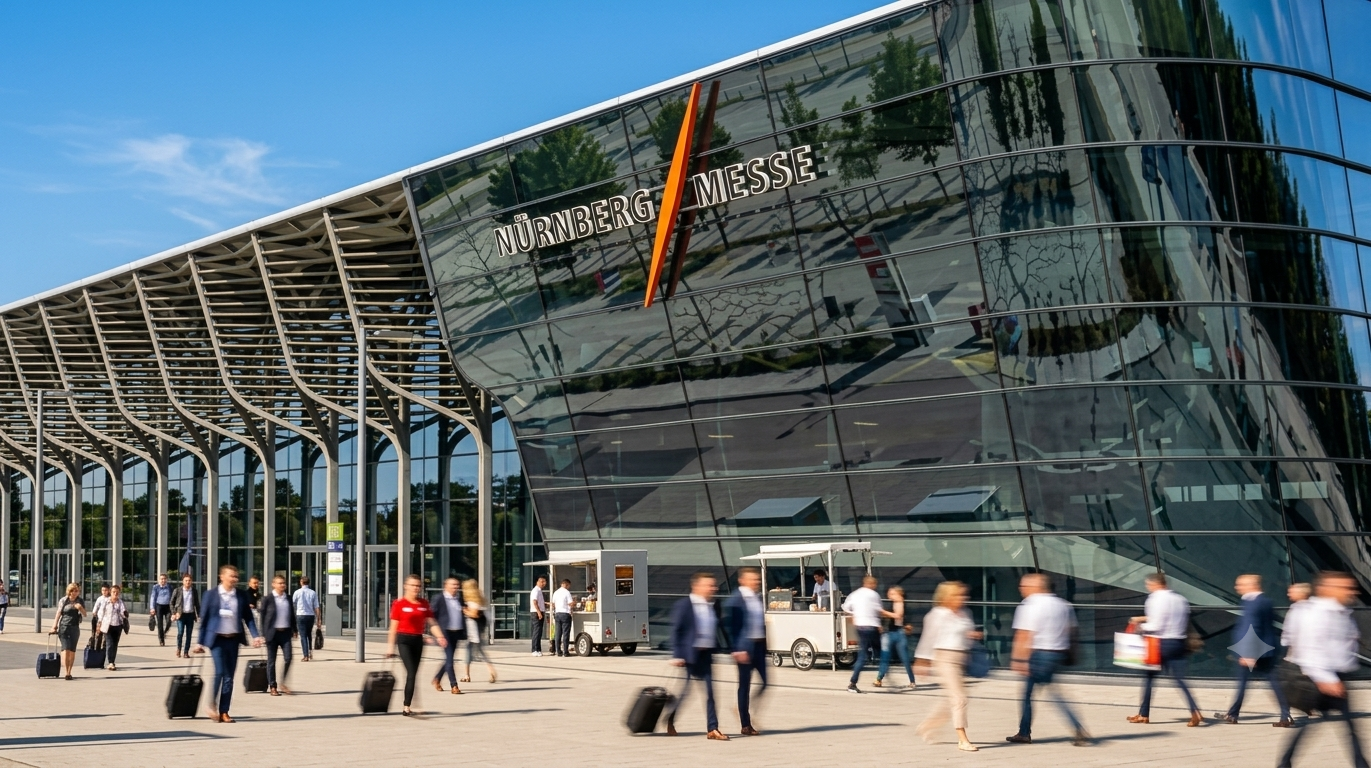
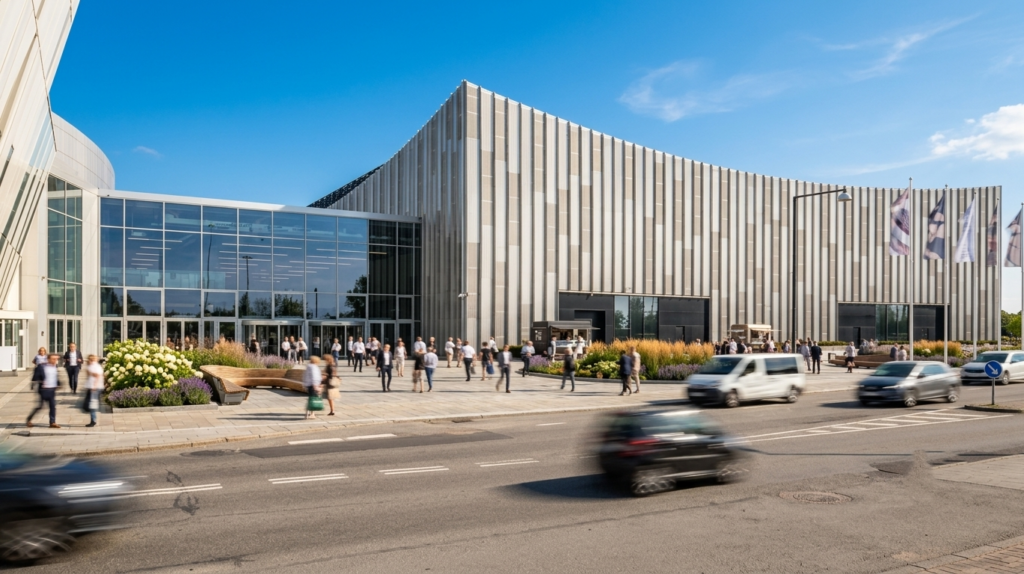
Convention
What Is a Convention?
A Convention is a large-scale organized gathering of individuals, organizations, or industry stakeholders who come together at a designated venue—typically a convention center or exhibition hall—to exchange knowledge, network, present innovations, and engage in structured discussions or exhibitions centered around a shared professional, cultural, or thematic interest.
In the global MICE industry (Meetings, Incentives, Conventions, Exhibitions), conventions represent a hybrid format between conferences, exhibitions, and networking events, often extending over multiple days and involving both educational and experiential components.
The term originates from the Latin convenire, meaning “to come together,” reflecting its core purpose: collective gathering for structured exchange and collaboration.
The Strategic Role of Conventions in the Event Ecosystem
A High-Scale Gathering Model for Industries and Communities
Conventions function as aggregation points for entire professional ecosystems, bringing together:
- Industry associations and federations
- Corporate decision-makers and stakeholders
- Technical experts and specialists
- Communities, members, and enthusiasts
Unlike smaller meetings, conventions are designed for large-scale participation and structured engagement across multiple event layers.
Beyond Exhibitions: A Multi-Layer Event Format
A convention is not limited to product displays. It typically integrates:
- Keynote presentations
- Panel discussions and forums
- Networking sessions
- Exhibition floors or vendor areas
- Workshops and training programs
This makes conventions a multi-dimensional event format combining education, commerce, and community engagement.
Membership-Driven and Community-Oriented Structure
Many conventions are organized around membership-based ecosystems, such as:
- Professional associations
- Industry federations
- Fan communities
- Academic and scientific societies
This structure ensures high attendance predictability and strong community engagement, making conventions strategically valuable for long-term relationship building.
Core Components of a Modern Convention
1. Convention Center Infrastructure
Conventions typically take place in large-scale venues designed for:
- Multi-hall configurations
- High-capacity audience flow
- Concurrent programming streams
- Exhibition and breakout spaces
These venues function as temporary cities for professional and cultural exchange.
2. Conference and Knowledge Program
The educational core of a convention includes:
- Keynote speeches from industry leaders
- Expert panel discussions
- Research presentations
- Technical workshops
This creates a structured knowledge transfer environment across multiple disciplines.
3. Exhibition and Showcase Areas
Many conventions include exhibition components where:
- Companies present products and services
- Sponsors activate brand experiences
- Startups showcase innovations
- Associations present initiatives
This transforms conventions into hybrid business and networking ecosystems.
4. Networking and Social Engagement
A defining feature of conventions is structured networking:
- Industry meetups and receptions
- One-on-one business matchmaking
- Community gatherings
- Informal networking lounges
These interactions drive relationship-based value creation beyond formal programming.
Types of Conventions in the Global Event Industry
Professional and Industry Conventions
Focused on specific sectors such as:
- Healthcare and life sciences
- Technology and engineering
- Construction and manufacturing
- Finance and business services
These conventions prioritize knowledge exchange and industry advancement.
Fan and Cultural Conventions
Community-driven events such as:
- Comic and pop culture conventions
- Gaming conventions
- Anime and entertainment events
- Hobby and collector conventions
These emphasize shared identity, culture, and experiential engagement.
Political and Institutional Conventions
These include:
- Political party conventions
- Government assemblies
- Institutional decision-making gatherings
They focus on governance, policy, and organizational direction.
Academic and Scientific Conventions
Used for:
- Research dissemination
- Academic networking
- Scientific collaboration
- Peer-reviewed presentations
These conventions function as knowledge validation and advancement platforms.
Why Conventions Matter in the MICE Industry
Large-Scale Knowledge Exchange Platforms
Conventions enable:
- Cross-sector collaboration
- Industry standard development
- Innovation dissemination
- Academic and professional learning
High-Density Networking Environments
They provide unmatched opportunities for:
- Relationship building at scale
- Strategic partnerships
- Industry alliances
- Talent and recruitment engagement
Economic and Destination Impact
Host cities benefit through:
- Hotel and tourism revenue
- Venue utilization
- Transport and logistics demand
- International visibility
Conventions are a key driver of the global business tourism economy (MICE sector).
Branding and Industry Positioning
For organizers and exhibitors, conventions offer:
- Thought leadership positioning
- Industry credibility
- Long-term brand visibility
- Direct access to decision-makers
Convention vs Conference vs Trade Show
Convention
- Large-scale, community or association-driven
- Mix of networking, exhibitions, and sessions
- Strong membership or thematic focus
Conference
- More education and content-focused
- Smaller scale and structured agenda
Trade Show
- Primarily commercial and product-driven
- Focused on B2B sales and exhibitions
Conventions often combine elements of both conferences and trade shows into a unified ecosystem.
The Evolution of Conventions in the Modern Era
Hybrid Conventions
Modern conventions increasingly include:
- Virtual attendance platforms
- Live-streamed sessions
- Digital networking tools
- Hybrid exhibition spaces
Experience-Driven Event Design
Contemporary conventions emphasize:
- Immersive environments
- Interactive installations
- Branded experiential zones
- Gamified engagement formats
Data and Intelligence Integration
Conventions now generate actionable insights:
- Attendance analytics
- Engagement tracking
- Lead generation data
- Behavioral mapping of participants
Frequently Asked Questions (FAQ)
What is a convention?
A convention is a large organized gathering where people with shared interests, industries, or affiliations meet to network, learn, and exchange ideas.
What is the main purpose of a convention?
The main purpose is knowledge exchange, networking, collaboration, and community building.
How is a convention different from a conference?
A conference is more focused on structured education, while a convention includes networking, exhibitions, and broader community engagement.
Who attends conventions?
Attendees include industry professionals, association members, companies, experts, and community participants.
Are conventions the same as trade shows?
No. Trade shows are primarily commercial and product-focused, while conventions are broader and more community-driven.
Where are conventions usually held?
Conventions are typically held in large convention centers, exhibition halls, or hotels with large event facilities.
Why are conventions important?
They support industry development, networking, innovation exchange, and economic impact in host destinations.