
Venues, Destinations & Exhibition Infrastructure
Venues, Destinations & Exhibition Infrastructure
The Physical Foundation of the Global Trade Show Industry
Venues, destinations and exhibition infrastructure form the physical backbone of the global trade show and events ecosystem.
Every exhibition, convention or industry event depends on a highly specialized infrastructure network that combines exhibition centers, transport systems, logistics access points, accommodation capacity, and venue operations.
From major international exhibition hubs such as Frankfurt, Milan and Las Vegas to rapidly expanding MICE destinations in Asia and the Middle East, venue infrastructure determines not only the scale of events but also their operational efficiency, cost structure and global competitiveness.
TradeShowsHub provides structured industry knowledge on how venues and destinations shape the planning, execution and success of trade shows worldwide.
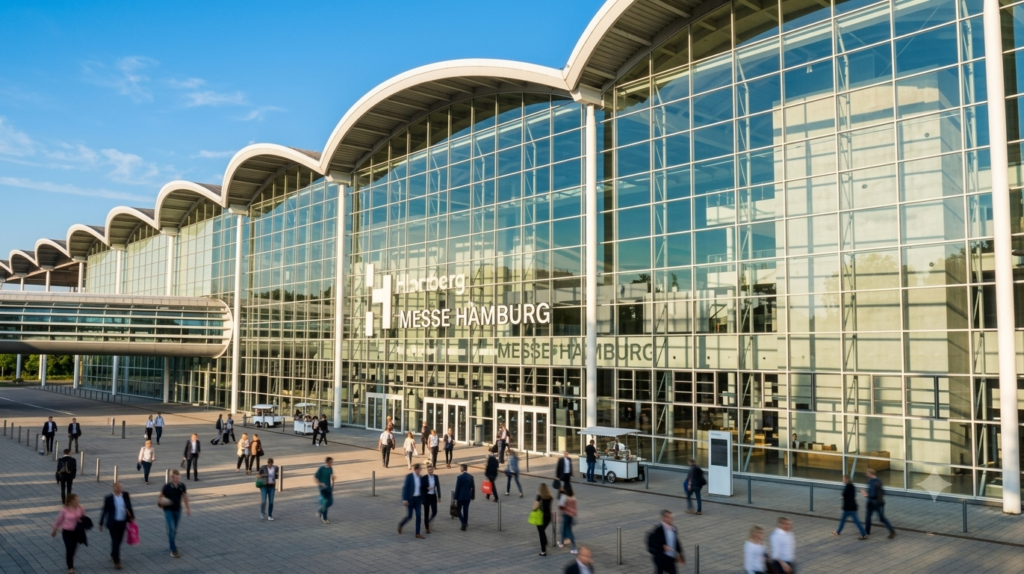
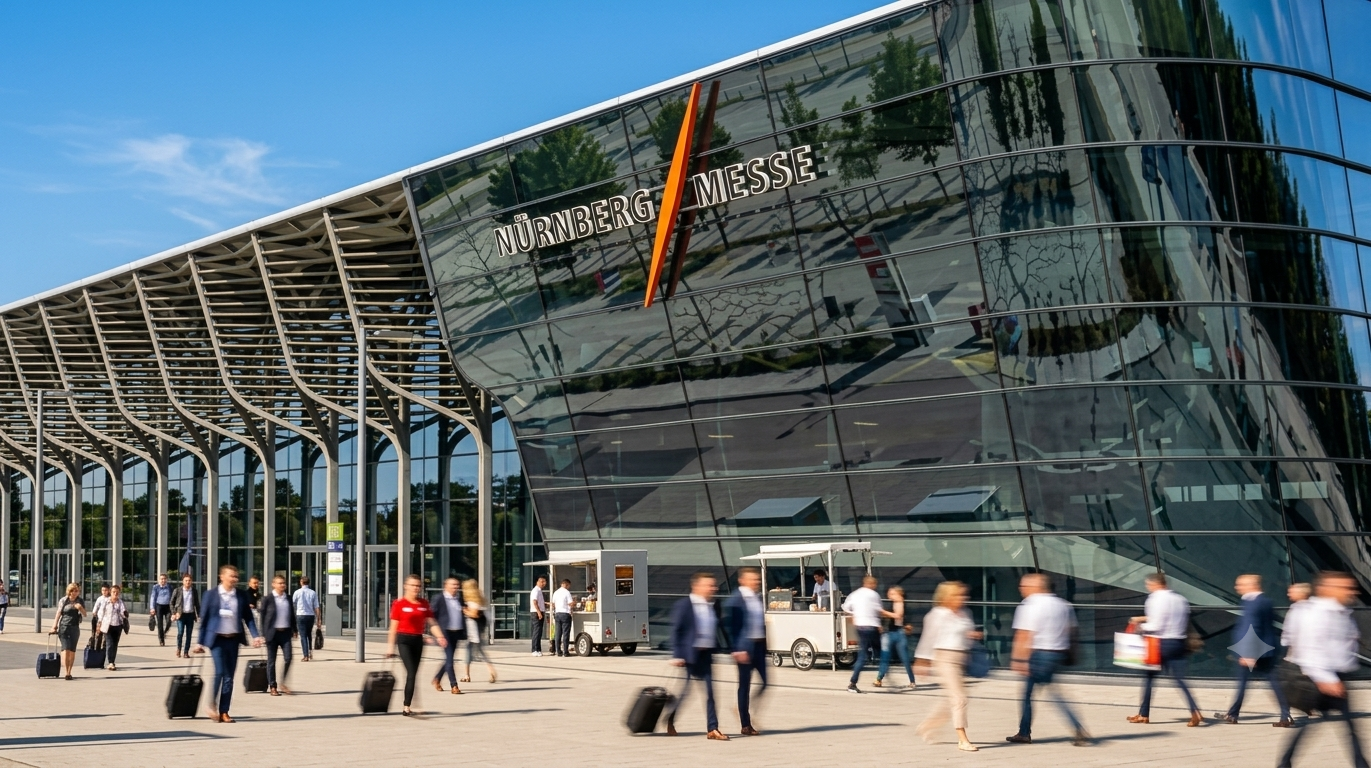
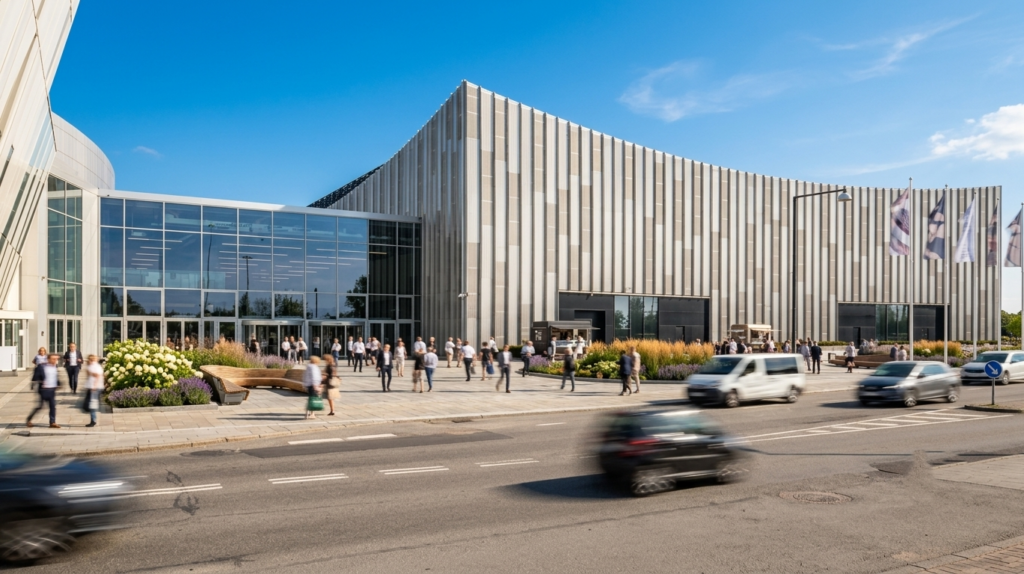
What Defines an Exhibition Venue?
An exhibition venue is a purpose-built facility designed to host trade shows, conventions and large-scale business events.
In professional exhibition practice, venues are evaluated based on more than just hall size.
Key criteria include:
- total indoor and outdoor exhibition space
- hall configuration and column-free layouts
- ceiling height and rigging capacity
- loading dock access and freight infrastructure
- power supply and technical utilities
- accessibility and transport connectivity
- proximity to hotels and business districts
- on-site services and venue management systems
Modern exhibition venues are not static buildings—they are fully integrated operational ecosystems designed to handle complex multi-exhibitor environments.
Global Trade Show Destinations
Trade show destinations are cities or regions that have developed strong exhibition ecosystems combining venues, logistics infrastructure and business connectivity.
Leading global destinations typically share several characteristics:
- strong international transport links (air, rail, road)
- high hotel and accommodation capacity
- established exhibition venues
- skilled labor and service providers
- strong industry clusters and economic sectors
Major exhibition destinations include global business hubs across Europe, North America, and Asia, each specializing in different industry verticals such as technology, automotive, industrial manufacturing, or consumer goods.
Destinations are not only geographic locations—they are strategic business ecosystems.
Exhibition Infrastructure: Beyond the Venue Building
Exhibition infrastructure extends far beyond the physical halls of a venue.
It includes all systems and services required to operate large-scale trade shows efficiently.
Core Infrastructure Components
- transport and freight access systems
- loading docks and logistics zones
- power distribution and technical grids
- water, compressed air and utilities
- digital connectivity and IT infrastructure
- security and crowd management systems
- waste management and sustainability systems
Without this infrastructure layer, exhibition venues would not be able to support complex international trade shows.
The Role of Major Exhibition Centers
Large exhibition centers act as anchor institutions within global trade show destinations.
These venues typically operate on a massive scale, with hundreds of thousands of square meters of exhibition space and multiple halls designed for parallel events.
For example, major European and global venues such as Messe Frankfurt, Fiera Milano, Messe München, or large Asian convention centers provide:
- multi-hall exhibition environments
- integrated congress and conference facilities
- advanced logistics and freight handling systems
- on-site technical and operational services
- dedicated event management teams
According to global venue industry data, leading exhibition centers continue to expand capacity and upgrade infrastructure, reflecting sustained global demand for trade fair participation.
Venue Design and Operational Layout
Modern exhibition venues are designed to optimize flow, efficiency and flexibility.
Key design principles include:
Column-Free Hall Structures
Allowing maximum flexibility for booth layouts and large-scale installations.
Modular Hall Systems
Enabling simultaneous hosting of multiple events or segmented exhibitions.
Integrated Logistics Flow
Separating visitor access routes from freight and installation zones.
High-Capacity Loading Areas
Ensuring rapid move-in and move-out operations for exhibitors.
Flexible Infrastructure Grids
Supporting complex electrical, rigging and AV requirements.
These design principles directly influence how efficiently exhibitions can be installed, operated and dismantled.
Connectivity and Transport Infrastructure
One of the most critical success factors for any trade show destination is connectivity.
Exhibition venues rely on:
- international airports within close proximity
- high-capacity road networks for freight transport
- rail and urban transit systems for visitors
- dedicated logistics corridors for event operations
Without efficient transport infrastructure, even the most advanced venues face operational bottlenecks during large-scale exhibitions.
Hotels, Hospitality & MICE Ecosystems
A trade show destination is only as strong as its hospitality infrastructure.
Exhibitors, visitors and organizers depend on:
- hotel capacity across multiple price segments
- proximity between venues and accommodation
- restaurants and business facilities
- conference and meeting infrastructure
Major exhibition destinations typically develop integrated MICE (Meetings, Incentives, Conferences, Exhibitions) ecosystems that support continuous business tourism throughout the year.
Temporary Infrastructure During Major Events
In addition to permanent facilities, large exhibitions often require temporary infrastructure, including:
- temporary halls and structures
- outdoor exhibition spaces
- additional catering and service areas
- mobile logistics facilities
- temporary security and crowd control systems
This flexibility allows venues to scale capacity for peak international events.
Digital Infrastructure in Modern Venues
Digital transformation is now embedded in exhibition venue operations.
Modern venues increasingly deploy:
- digital registration and access control systems
- smart navigation and wayfinding tools
- real-time crowd analytics
- venue management software platforms
- integrated exhibitor service portals
This improves operational efficiency and enhances both exhibitor and visitor experience.
Sustainability in Exhibition Infrastructure
Sustainability has become a defining factor in venue development and operation.
Key initiatives include:
- energy-efficient hall systems
- LED lighting and smart energy management
- waste reduction and recycling systems
- sustainable building certifications
- optimized freight and logistics planning
- reduced water and resource consumption
Many modern venues are designed or upgraded to align with long-term environmental standards and ESG requirements.
Venue Selection in Exhibition Planning
For exhibitors and organizers, venue selection is a strategic decision that impacts:
- total event cost structure
- logistical complexity
- visitor reach and market access
- booth design possibilities
- installation and dismantling timelines
Different venues offer different operational advantages depending on industry sector, scale and geographic strategy.
The Competitive Role of Exhibition Destinations
Exhibition destinations compete globally to attract major trade shows.
Their competitiveness depends on:
- venue capacity and modernization
- international accessibility
- industry specialization clusters
- government support for MICE industries
- logistics efficiency and cost structure
As a result, destination development has become a key element of global trade show strategy.
Venues as Strategic Business Infrastructure
Modern exhibition venues are no longer passive event spaces.
They function as strategic infrastructure assets that support:
- international trade and commerce
- industry networking and innovation
- product launches and market expansion
- global supply chain interactions
Their role extends far beyond events—they are economic engines for entire regions.