Trade Show Fabricator
What Is a Trade Show Fabricator?
A Trade Show Fabricator is a specialized production partner responsible for transforming exhibition design concepts into physical trade show environments through engineering, material processing, construction, finishing, and pre-assembly of booth structures, ensuring that every element of a trade show exhibit is buildable, transportable, compliant, and ready for fast on-site installation under strict event timelines.
In the exhibition industry, fabrication is the critical execution layer between design intent and real-world booth performance. While designers define the visual and experiential concept, the trade show fabricator ensures it can be physically built, safely transported, efficiently installed, and repeatedly reused across multiple events.
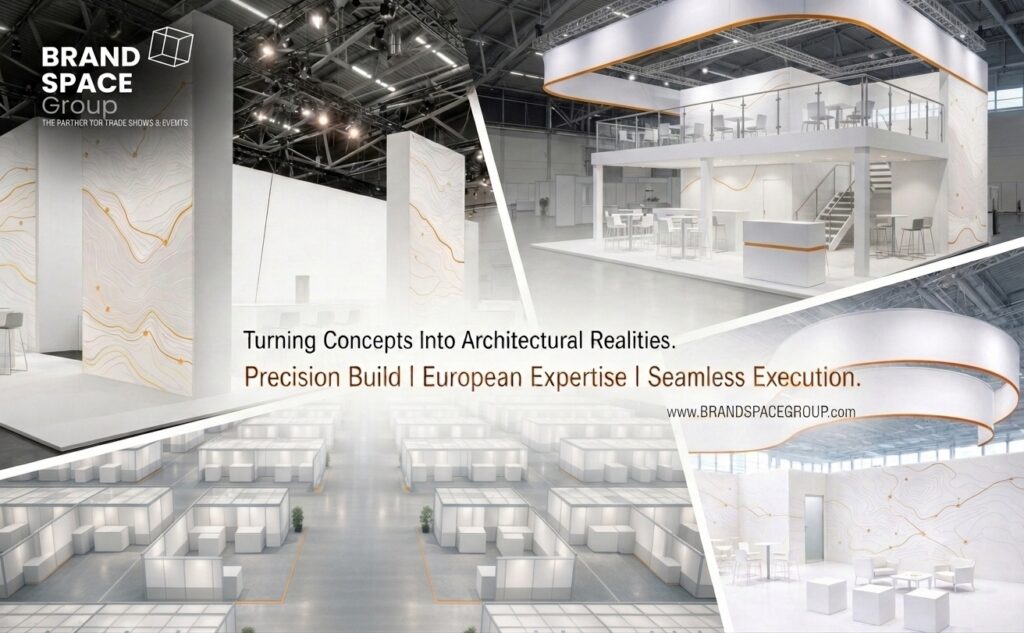
The Role of a Trade Show Fabricator in the Exhibition Lifecycle
From Concept Render to Physical Reality
A trade show fabricator takes design files and converts them into:
- Structural booth frames
- Custom-built architectural elements
- Branded surfaces and finishes
- Integrated lighting and AV systems
- Modular or reusable exhibition components
This stage is where creative ambition meets engineering constraints, including weight limits, venue regulations, shipping dimensions, and installation time windows.
Industry fabrication teams often combine carpentry, metalwork, CNC machining, electrical integration, and finishing into a single production workflow.
Why Fabrication Is the Most Critical Phase of Booth Production
Even the most advanced booth design can fail without proper fabrication because:
- Poor tolerances create installation delays
- Weak structural engineering leads to instability
- Incorrect material choices increase freight costs
- Lack of pre-assembly testing causes on-site issues
In modern trade show programs, fabrication directly influences ROI, logistics efficiency, and on-floor brand perception.
What Trade Show Fabricators Actually Do
1. Structural Engineering and Build Planning
Fabricators convert design concepts into engineered systems:
- Load-bearing booth structures
- Frame systems (aluminum, steel, hybrid)
- Multi-level or suspended components
- Safety and compliance calculations
This ensures the booth is safe for public environments and compliant with venue rules.
2. Material Processing and Manufacturing
A trade show fabricator works with a wide range of materials, including:
- Aluminum extrusion systems
- Laminated wood and MDF
- Acrylic and polycarbonate
- Fabric tension systems (SEG graphics)
- Composite and lightweight panels
Each material is selected based on weight, durability, reusability, and visual finish quality.
3. CNC Production and Precision Cutting
Modern fabrication relies heavily on precision tools:
- CNC routing for panels and structural parts
- Laser cutting for acrylic and signage
- Automated drilling and shaping
- Digital file-to-production workflows
This ensures accuracy, repeatability, and modular compatibility across multiple shows.
4. Booth Pre-Build and Quality Control
Before shipping to a venue, fabricators typically assemble the booth in a controlled workshop:
- Full dry-fit assembly of structures
- Alignment and stability testing
- Graphic installation checks
- Lighting and electrical testing
- Packaging validation for transport
This reduces risk of on-site construction failures.
5. Graphics Integration and Finishing
Fabricators coordinate high-impact visual execution:
- Large-format printed graphics
- Fabric tension wall systems
- Backlit panels and lightboxes
- Paint, laminate, and surface finishing
This step ensures the booth delivers consistent brand presentation under exhibition lighting conditions.
6. Crating, Logistics, and Transport Preparation
A key part of fabrication is preparing the booth for travel:
- Custom shipping crates
- Modular packing systems
- Weight-optimized transport design
- Load sequencing for installation order
Efficient fabrication reduces drayage costs and handling damage risk.
Types of Trade Show Fabrication Models
1. Custom Booth Fabrication
- Fully unique structural builds
- High-end architectural elements
- Strong brand storytelling integration
- Ideal for flagship exhibitions
2. Modular Fabrication Systems
- Aluminum-based reusable frameworks
- Reconfigurable layouts for multiple booth sizes
- Lower long-term cost per show
- Faster installation cycles
3. Hybrid Fabrication
- Modular base structure + custom scenic elements
- Flexible campaign updates
- Balance between cost efficiency and visual impact
4. Rental Fabrication Builds
- Temporary structures for single or short-term use
- Pre-engineered components
- Fully managed production and logistics
Why Trade Show Fabrication Matters for Exhibition Success
1. Ensures On-Site Installation Success
Proper fabrication reduces risks during installation:
- Faster assembly times
- Fewer adjustments on the show floor
- Reduced labor costs
- Lower chance of last-minute redesigns
2. Improves Booth Quality and Visual Impact
High-quality fabrication ensures:
- Clean finishes and alignment
- Seamless graphic integration
- Professional structural appearance
- Strong brand credibility
3. Reduces Total Exhibition Costs Over Time
Efficient fabrication supports:
- Reusable booth systems
- Reduced freight weight
- Lower repair and rebuild needs
- Long-term asset value
4. Enables Multi-Show Scalability
Fabrication strategies increasingly support:
- Reconfiguration for different booth sizes
- Global exhibition deployment
- Standardized modular systems
5. Enhances Sustainability Performance
Modern fabrication focuses on:
- Reusable materials
- Reduced waste production
- Efficient transport design
- Extended lifecycle booth systems
Trade Show Fabricator vs Booth Builder vs Exhibit House
Trade Show Fabricator
- Focuses on physical construction and production
- Specializes in materials, engineering, and assembly
- Works behind the scenes in production workshops
Booth Builder
- Often includes design + fabrication + installation
- More client-facing execution role
- May manage full project delivery
Exhibit House
- Full-service provider (design, build, logistics, installation)
- Coordinates multiple fabrication teams and vendors
- Acts as turnkey exhibition partner
Industry Trends in Trade Show Fabrication
1. Shift Toward Modular Engineering Systems
The industry is moving toward:
- Reusable aluminum frameworks
- Standardized structural components
- Tool-less assembly systems
2. Faster Production Cycles
Modern fabrication emphasizes:
- Shorter lead times
- Pre-engineered systems
- Parallel production workflows
3. Sustainability-Driven Material Selection
Increasing focus on:
- Lightweight materials
- Recyclable components
- Reduced transport emissions
4. Digital Fabrication Integration
Advanced fabrication now includes:
- CNC automation
- 3D modeling-to-production workflows
- Smart assembly systems
Who Needs a Trade Show Fabricator?
Ideal for:
- Companies building custom exhibition booths
- Brands attending multiple trade shows per year
- Exhibitors requiring modular reusable systems
- Marketing teams launching new products at expos
- Global enterprises managing large-scale exhibition programs
Frequently Asked Questions (FAQ)
What does a trade show fabricator do?
A trade show fabricator builds exhibition booths by turning design concepts into physical structures using materials, engineering, and manufacturing processes.
Is fabrication the same as booth construction?
Fabrication is a core part of booth construction, focusing specifically on building and producing physical components.
What materials are used in trade show fabrication?
Common materials include aluminum, wood, acrylic, fabric graphics, laminates, and composites.
How long does fabrication take?
Depending on complexity, fabrication can take from a few weeks to several months.
Do fabricators also install booths?
Many fabricators also offer installation and dismantling services, but not all do.
What is the difference between modular and custom fabrication?
Modular fabrication uses reusable systems, while custom fabrication builds unique, one-off structures.
Why is pre-assembly important in fabrication?
Pre-assembly ensures the booth fits correctly, reduces errors, and prevents installation issues on the show floor.