Trade Show Booth Construction
What Is Trade Show Booth Construction?
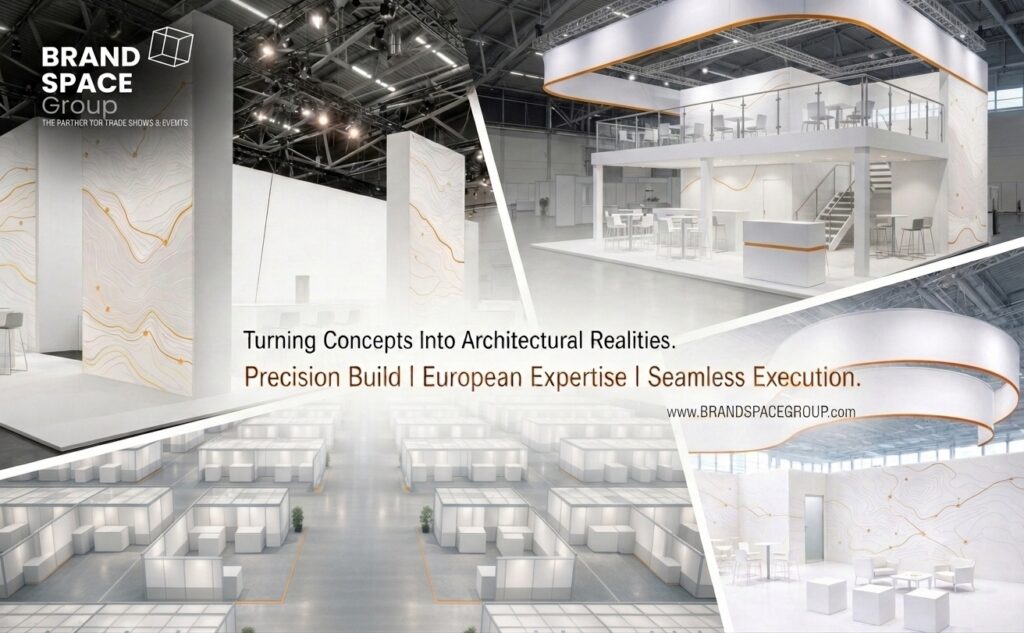
Trade Show Booth Construction is the end-to-end process of designing, engineering, fabricating, assembling, and installing a physical exhibition environment that represents a brand at trade shows, expos, and conferences, transforming marketing concepts into functional, structurally safe, and visually compelling booth spaces that attract visitors and support business objectives on the exhibition floor.
In the global events industry, booth construction is not just building a structure—it is the operational realization of brand strategy in a temporary, high-impact commercial environment. It combines architecture, engineering, logistics, and experiential marketing into a single execution process.
Why Trade Show Booth Construction Is Critical for Exhibition Success
The Booth Is the First Physical Brand Experience
On a crowded trade show floor, exhibitors have seconds to capture attention. Booth construction directly impacts:
- Visibility from the aisle
- Brand recognition at first glance
- Visitor engagement rates
- Perceived company credibility
A well-constructed booth becomes a physical extension of the brand identity, shaping how visitors perceive quality, innovation, and trustworthiness.
From Design Concept to Functional Brand Environment
Trade show booth construction bridges the gap between creative design and physical reality:
- Turning 3D concepts into engineered structures
- Ensuring safety compliance within venue regulations
- Integrating lighting, graphics, and technology
- Creating functional spaces for meetings and demos
As industry guides highlight, booth construction includes design, fabrication, logistics, installation, and dismantling as one integrated workflow.
A High-Pressure, Time-Critical Execution Process
Unlike permanent architecture, booth construction happens under strict conditions:
- Fixed move-in and move-out windows
- Simultaneous builds across the entire venue
- Limited on-site adjustment time
- Strict safety inspections
A single delay in construction can directly impact event readiness and revenue opportunities.
The Trade Show Booth Construction Process
1. Strategic Planning and Concept Development
Every booth begins with strategic alignment:
- Marketing objectives and campaign goals
- Target audience definition
- Lead generation strategy
- Space allocation and booth type selection
This phase ensures the booth is not just visually strong, but commercially effective.
2. Booth Design and Engineering
Design becomes executable through engineering:
- 3D booth visualization
- Structural calculations and load planning
- Material selection (aluminum, wood, composites)
- Compliance with venue regulations
Modern booth construction integrates both creative design and technical precision to ensure stability and functionality.
3. Fabrication and Production
This stage transforms digital plans into physical components:
- Structural frame manufacturing
- Custom carpentry or modular system production
- Graphic printing and finishing
- Lighting and AV system preparation
According to industry standards, fabrication ensures that each component is pre-tested before arriving at the venue.
4. Logistics and Transportation
Before installation, everything must be coordinated:
- Freight planning and shipping
- Packaging and protective casing
- Venue delivery scheduling
- Handling of international customs (if required)
Efficient logistics is critical to avoiding delays and installation bottlenecks.
5. On-Site Installation (I&D Process)
Installation is one of the most complex phases:
- Structural assembly of booth framework
- Flooring and architectural build-out
- Graphic installation (SEG, rigid panels, signage)
- Lighting and electrical integration
- AV and digital system setup
Depending on booth size, installation can range from a few hours to multiple days.
6. Dismantling and Post-Show Handling
After the event:
- Safe dismantling of all structures
- Packing and inventory control
- Return logistics or storage
- Repair and refurbishment (if reusable systems are used)
Types of Trade Show Booth Construction
1. Custom Booth Construction
- Fully unique architectural designs
- High-end materials and finishes
- Strong brand storytelling focus
- Ideal for flagship exhibitions
2. Modular Booth Construction
- Reusable aluminum frame systems
- Scalable configurations
- Cost-efficient over multiple events
- Faster installation and teardown
3. Hybrid Booth Construction
- Modular base structure
- Custom-built feature elements
- Flexible campaign updates
- Balance between cost and creativity
4. Rental-Based Booth Construction
- Temporary, turnkey builds
- Full service execution model
- No ownership or storage required
- Ideal for agile exhibition programs
Key Benefits of Professional Booth Construction
1. Stronger Brand Impact on the Show Floor
A professionally constructed booth ensures:
- High visual differentiation
- Consistent brand presentation
- Strong first impression
2. Operational Efficiency and Reduced Risk
Professional construction teams manage:
- Safety compliance
- Installation timing
- Technical integration
- Venue coordination
This reduces the risk of last-minute failures or delays.
3. Improved Visitor Engagement
Well-constructed booths are designed for:
- Clear visitor flow
- Dedicated demo areas
- Meeting and hospitality zones
- Interactive experiences
4. Cost Control Through Planning and Engineering
Good booth construction reduces long-term costs by:
- Avoiding rework and delays
- Optimizing materials
- Enabling reuse in modular systems
- Reducing labor inefficiencies
5. Scalability Across Global Events
Modern construction systems allow brands to:
- Adapt booth size per venue
- Reconfigure layouts globally
- Maintain consistent brand identity across markets
Trade Show Booth Construction Trends
1. Shift Toward Modular Engineering
The industry is increasingly adopting:
- Reusable structural systems
- Tool-free assembly concepts
- Lightweight materials
2. Experience-Driven Booth Environments
Booths are evolving into:
- Immersive brand spaces
- Product storytelling environments
- Hospitality-focused meeting hubs
3. Digital Integration as Standard
Modern construction includes:
- LED walls and digital signage
- Interactive touchscreens
- Hybrid event capabilities
4. Sustainability in Construction
Sustainability is now a core requirement:
- Reusable materials
- Reduced waste production
- Lower transport emissions
Who Needs Trade Show Booth Construction?
Ideal for:
- Global exhibitors attending multiple trade shows
- Brands launching new products
- Companies entering competitive markets
- Marketing teams running experiential campaigns
- Organizations requiring premium brand presentation
Frequently Asked Questions (FAQ)
What is trade show booth construction?
It is the process of designing, fabricating, and assembling a physical booth for trade shows and exhibitions.
What is included in booth construction services?
Design, engineering, fabrication, logistics, installation, and dismantling.
How long does booth construction take?
It depends on complexity—simple booths may take hours, while large custom stands may require multiple days.
What materials are used in booth construction?
Common materials include aluminum frames, wood, acrylic, fabric graphics, and digital components.
Is booth construction reusable?
Yes, modular and hybrid systems are designed for reuse across multiple events.
What is the difference between booth construction and booth design?
Design is the concept phase, while construction is the physical execution of that design.
Do professional contractors handle installation?
Yes, trained installation teams manage on-site assembly and dismantling.