Exhibit Kit
Exhibit Kit – The Modular Foundation of Modern Trade Show, Exhibition, and Event Execution Systems
What Is an Exhibit Kit in the Modern MICE Industry
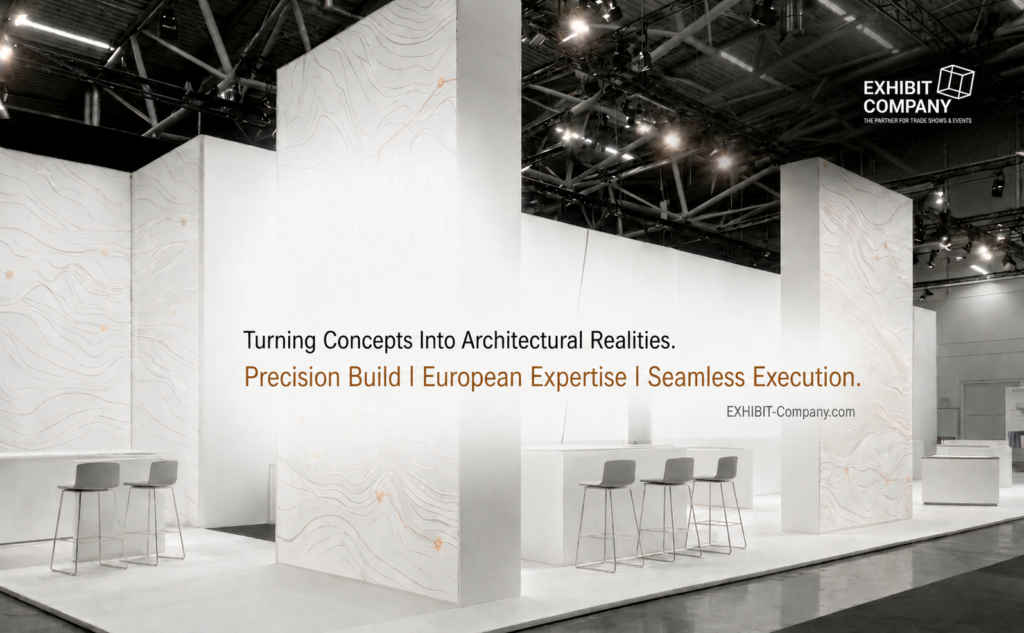
An exhibit kit is a pre-configured, modular collection of display components, structures, graphics, and accessories designed to build a complete trade show or exhibition booth system. Within the global MICE industry (Meetings, Incentives, Conferences, Exhibitions), the exhibit kit functions as a standardized yet flexible deployment system that enables exhibitors to construct, transport, and reconfigure booth environments across multiple events.
An exhibit kit typically includes a combination of structural frames, backwalls, counters, signage systems, lighting elements, and graphic panels that can be assembled into different configurations depending on booth size and event requirements.
Industry sources describe exhibit kits as modular display systems made up of interchangeable components that allow exhibitors to create adaptable booth layouts across different trade show spaces and formats .
In operational terms, the exhibit kit represents the industrialization of booth design—turning exhibition construction into a scalable, repeatable system rather than a one-off build.
The Strategic Role of Exhibit Kits in the Global Event Ecosystem
Exhibit Kits as a Multi-Show Investment Framework
Exhibit kits are designed for multi-event deployment, allowing exhibitors to:
- Reuse core structural elements across multiple shows
- Reduce fabrication and build costs over time
- Maintain consistent brand identity across events
- Adapt booth layouts to different floor plans and sizes
- Streamline logistics and storage processes
This makes the exhibit kit a long-term asset rather than a single-use exhibition expense.
From Static Booth to Reconfigurable System
Modern exhibit kits are no longer fixed booth designs. Instead, they function as reconfigurable systems that can be adapted into multiple spatial configurations, such as:
- Inline booth layouts (e.g., 10×10, 10×20)
- L-shaped or corner configurations
- Open island-style presentations
- Split-zone demo environments
This flexibility allows exhibitors to respond dynamically to different venue requirements and audience types.
Core Components of an Exhibit Kit
1. Structural Framework
The structural backbone of an exhibit kit typically includes:
- Aluminum or composite framing systems
- Modular connectors and locking mechanisms
- Reusable support structures
- Adjustable height and width components
These systems enable tool-free or minimal-tool assembly in many modern configurations.
2. Graphic Systems and Branding Panels
Graphics are central to exhibit kit performance, including:
- Fabric tension graphics
- Printed backwalls and panels
- Hanging signage systems
- Digital display integration surfaces
These elements define visual identity and brand recognition on the show floor.
3. Furniture and Functional Elements
Exhibit kits often include:
- Counters and reception desks
- Display shelves and product stands
- Meeting tables and seating areas
- Storage compartments
These components support functional engagement and visitor interaction.
4. Lighting and Digital Integration
Modern kits integrate:
- LED lighting systems
- Backlit graphic frames
- Screen mounts for digital content
- Interactive touchscreen systems
Lighting and digital integration significantly increase booth visibility and engagement performance.
Types of Exhibit Kits in the Industry
Portable Exhibit Kits
Portable kits are lightweight systems designed for:
- Fast assembly and dismantling
- Frequent travel and transport
- Small to mid-sized booth spaces
- Cost-efficient event participation
These are widely used by SMEs and regional exhibitors.
Modular Exhibit Kits
Modular kits consist of interchangeable components that can be reconfigured into multiple booth layouts. They support:
- Multi-show adaptability
- Scalable booth sizes
- Customizable branding environments
- Long-term reuse strategies
This category is increasingly dominant in modern exhibition programs.
Premium Custom-Expandable Kits
These hybrid systems combine:
- Custom-built design aesthetics
- Modular structural flexibility
- High-end experiential elements
- Advanced digital integration
They are typically used by enterprise-level exhibitors seeking brand dominance across major trade shows.
Exhibit Kit vs Booth vs Exhibit Space
Exhibit Kit: The System
An exhibit kit is the complete set of reusable components used to build booth environments.
Booth: The Built Environment
A booth is the assembled physical or experiential structure used on the show floor.
Exhibit Space: The Allocated Area
Exhibit space refers to the rented footprint provided by the organizer within the exhibition hall.
The Economic Value of Exhibit Kits
Cost Efficiency Across Multiple Events
Exhibit kits reduce costs by:
- Eliminating repeated custom fabrication
- Reducing freight and shipping complexity
- Minimizing storage and replacement needs
- Enabling long-term reuse of core components
This creates a lower total cost of ownership across multi-show programs.
ROI Optimization Through Reusability
Exhibit kits improve ROI by:
- Increasing consistency across events
- Reducing setup labor costs
- Improving operational predictability
- Enhancing brand recognition continuity
The more frequently a kit is reused, the higher its return per event cycle.
Exhibit Kits and Show Floor Performance
Speed and Efficiency of Installation
Modern kits are designed for:
- Fast setup times (often tool-free systems)
- Reduced labor dependency
- Simplified logistics coordination
- Repeatable assembly processes
This ensures exhibitors can focus more on engagement rather than construction.
Engagement Optimization Through Design
Well-designed exhibit kits improve:
- Visitor flow inside the booth
- Product visibility and accessibility
- Conversation zones and meeting areas
- Demo interaction efficiency
This transforms the kit into a performance-driven engagement system.
Digital Transformation of Exhibit Kits
Smart Exhibit Kit Systems
Modern exhibit kits increasingly integrate:
- Digital asset libraries
- QR-based content access points
- Interactive media displays
- Lead capture technologies
This enables data-driven engagement measurement on the show floor.
Hybrid Exhibition Integration
Exhibit kits now support hybrid environments through:
- Live streaming integration
- Virtual booth extensions
- Remote engagement systems
- Digital product catalogs
This creates a continuous physical-digital brand experience.
Sustainability in Exhibit Kit Design
Sustainability is a core driver of exhibit kit adoption, including:
- Reusable modular components
- Reduced material waste from single-use booths
- Lightweight transport optimization
- Eco-friendly packaging and logistics
- Long-term lifecycle design principles
Exhibit kits align strongly with modern ESG and sustainability expectations in the event industry.
Future Trends in Exhibit Kit Development
The next generation of exhibit kits is shaped by:
- AI-assisted booth configuration systems
- Predictive layout optimization tools
- Fully modular adaptive structures
- AR-enhanced assembly guidance
- Digital twin simulation of booth environments
- Autonomous logistics and deployment planning
Exhibit kits are evolving into intelligent, adaptive infrastructure systems for global event participation.
FAQ – Exhibit Kit Industry Insights
What is an exhibit kit?
An exhibit kit is a modular set of components used to build and configure trade show booths and exhibition displays.
What does an exhibit kit include?
It typically includes structural frames, graphics, lighting, counters, and display elements.
How is an exhibit kit different from a booth?
An exhibit kit is the system of parts, while a booth is the assembled structure at an event.
Why are exhibit kits used in trade shows?
They reduce costs, improve flexibility, and allow reuse across multiple events.
Are exhibit kits customizable?
Yes, most modern kits are modular and can be adapted to different booth sizes and layouts.
Do exhibit kits support sustainability?
Yes, they reduce waste through reuse and minimize the need for repeated fabrication.