Backwall System
What Is a Backwall System in Exhibition Booth Design?
A Backwall System in the exhibition and trade show industry refers to a structured display architecture that forms the primary visual and spatial anchor at the rear of a booth or exhibition stand. It is the central branding surface that defines first impression impact, messaging hierarchy, and overall booth identity.
In modern exhibition environments, backwall systems are no longer simple printed backdrops. They are engineered modular frameworks designed to integrate graphics, lighting, digital elements, shelving, and structural components into a cohesive brand environment. Most systems are built using aluminum profiles, SEG fabric graphics, or hybrid modular structures that allow for rapid assembly and reconfiguration.
Industry sources consistently describe backwall systems as the core component of modular exhibition stands, enabling portability, flexibility, and reusable brand architecture across multiple events.
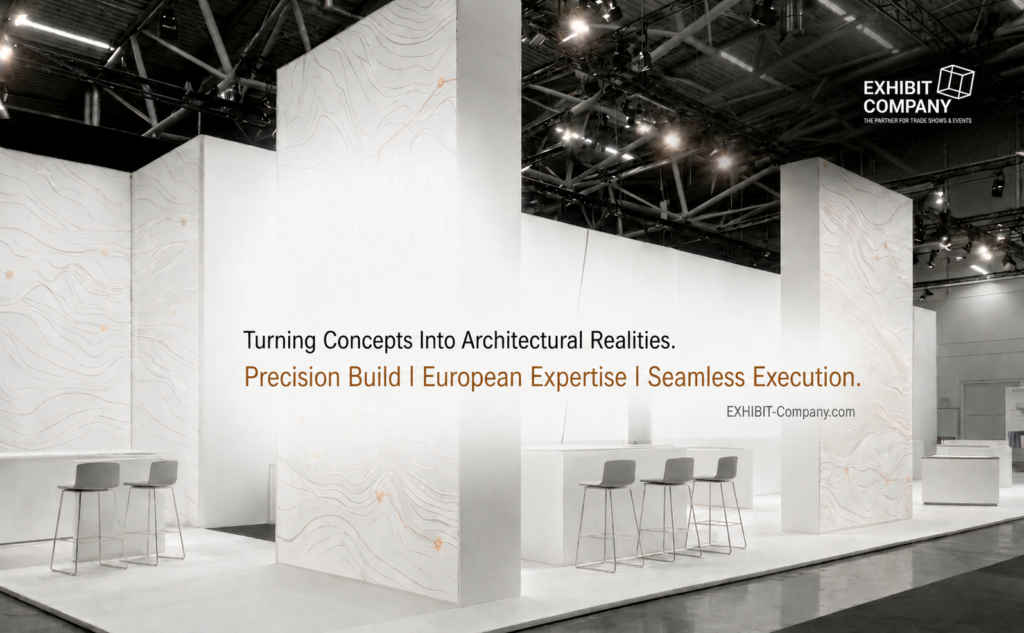
Why the Backwall System Is the Most Important Element of a Booth
In exhibition design, the backwall is the dominant visual surface within the visitor’s first line of sight, often determining whether attendees stop, engage, or pass by.
Key strategic functions include:
- Establishing brand visibility from long distance
- Communicating core messaging within seconds
- Structuring the visual hierarchy of the booth
- Framing product displays and interaction zones
- Anchoring lighting, screens, and architectural features
Industry guidance highlights that the backwall is often the first and most influential visual element seen by visitors approaching a booth, making it critical for traffic generation and engagement.
Core Types of Backwall Systems
1. Modular Backwall Systems
Modular backwall systems are built from interchangeable aluminum frames and connection nodes, allowing exhibitors to scale and reconfigure layouts across multiple booth sizes.
Key characteristics:
- Tool-free or minimal-tool assembly
- Reusable structural components
- Expandable width and height configurations
- Compatible with SEG fabric graphics
Modular systems are widely used because they allow a single investment to support multiple exhibition footprints—from compact inline booths to larger island configurations.
2. SEG Fabric Backwall Systems
SEG (Silicone Edge Graphic) backwalls use tensioned fabric graphics inserted into aluminum frame channels, creating a seamless, frameless visual surface.
Advantages include:
- High-end, premium visual appearance
- Wrinkle-free tensioned graphics
- Fast graphic replacement between campaigns
- Lightweight transport and storage
SEG systems are considered a standard solution for modern exhibition backwalls due to their visual clarity and modular compatibility.
3. Rigid Panel Backwall Systems
Rigid backwalls use solid materials such as:
- PVC boards
- Acrylic panels
- Composite aluminum panels
They are commonly used for:
- High-impact branding zones
- Product-heavy displays
- Structural counter integration
- Durable, contact-intensive areas
Rigid systems provide strong physical presence and are often combined with modular frames.
4. Lightbox Backwall Systems
Lightbox backwalls integrate internal LED illumination behind fabric or translucent panels, transforming the backwall into a glowing architectural feature.
Key benefits:
- High visibility in crowded exhibition halls
- Enhanced color vibrancy and contrast
- Premium brand perception
- Strong long-distance attraction
Lightbox systems are often used in flagship booths and high-traffic zones where visibility is a priority.
5. Hybrid Backwall Systems
Hybrid systems combine:
- Modular aluminum frameworks
- Wooden architectural elements
- Digital screens or LED walls
- Fabric and rigid graphics
This approach enables highly customized storytelling environments without sacrificing modular efficiency.
Backwall System vs Full Booth Structure
Backwall System
- Focus: Visual anchor and brand messaging
- Position: Rear structural element of booth
- Role: Primary communication surface
Full Booth Structure
- Includes: flooring, side walls, meeting rooms, counters
- Focus: Entire spatial experience
- Role: Complete exhibition environment
The backwall system is therefore the core communicative spine of the entire booth architecture.
Strategic Value of Backwall Systems
1. Maximum Visual Impact per Square Meter
Backwalls deliver the highest visibility-to-space ratio in exhibition design.
2. Rapid Brand Recognition
A well-designed backwall ensures instant identification of the brand even in crowded halls.
3. Modular Scalability
Modern systems allow adaptation across:
- 10×10 inline booths
- 10×20 configurations
- Island stand environments
- Large pavilion structures
4. Cost Efficiency Through Reuse
Modular backwall systems reduce long-term costs by enabling:
- Reusable frame structures
- Replaceable graphics only
- Multi-event deployment
5. Integration of Technology and Experience
Backwalls now function as integration platforms for:
- LED screens
- Interactive touchpoints
- Product shelving systems
- Digital storytelling layers
Design Principles for Effective Backwall Systems
1. Visual Hierarchy
A strong backwall prioritizes:
- Primary brand message at eye level or above
- Secondary messaging lower or lateral
- Clear separation of visual zones
2. Distance Readability
Effective designs consider visibility from:
- 5 meters (engagement zone)
- 15–30 meters (attraction zone)
Typography must remain bold, minimal, and high contrast.
3. Structural Cleanliness
Modern backwall systems hide:
- Fasteners
- Cabling
- Frame connections
This creates a seamless architectural appearance.
4. Lighting Integration
Lighting enhances:
- Brand visibility
- Material depth
- Emotional perception of the booth
Common Challenges in Backwall System Implementation
1. Incorrect Scaling for Booth Size
A system designed for a 10×10 booth often does not translate correctly into larger footprints without modular planning.
2. Poor Graphic Alignment
Misaligned SEG panels or rigid sections can disrupt visual continuity.
3. Transport and Packaging Issues
Backwall systems must be engineered for:
- Compact shipping
- Damage protection
- Easy unpacking and reassembly
4. Overcomplicated Design Execution
Too many visual elements reduce clarity and weaken brand impact.
Future Trends in Backwall System Design
1. Fully Modular Ecosystems
Backwalls will increasingly function as reconfigurable asset libraries rather than fixed structures.
2. Digital-Physical Integration
Expect greater use of:
- Embedded LED surfaces
- Real-time content updates
- Interactive storytelling walls
3. Sustainable Material Systems
Growing adoption of:
- Recyclable aluminum frames
- PVC-free fabric graphics
- Circular production workflows
4. AI-Optimized Layout Design
AI tools will help optimize:
- Messaging placement
- Visual hierarchy
- Visitor engagement flow
Frequently Asked Questions (FAQ)
What is a backwall system in exhibitions?
A backwall system is the main structural and visual element at the rear of a booth used to display branding, messaging, and graphics.
What materials are used in backwall systems?
Common materials include aluminum frames, SEG fabric graphics, rigid panels, and LED lightbox components.
What is the difference between a backwall and a booth?
The backwall is the primary visual structure, while the booth includes the entire exhibition space such as counters, flooring, and side areas.
Are backwall systems reusable?
Yes. Modular backwall systems are designed for repeated use across multiple exhibitions with replaceable graphics.
What is an SEG backwall system?
An SEG backwall uses silicone-edge fabric graphics stretched into aluminum frames for a seamless, frameless appearance.
Why is the backwall so important?
Because it is the first and most visible surface that communicates brand identity and attracts visitors from a distance.