Show Opening
Show Opening – The Critical Activation Moment in Trade Shows, Exhibitions, and Global MICE Events
What Is a Show Opening in the Modern MICE Industry
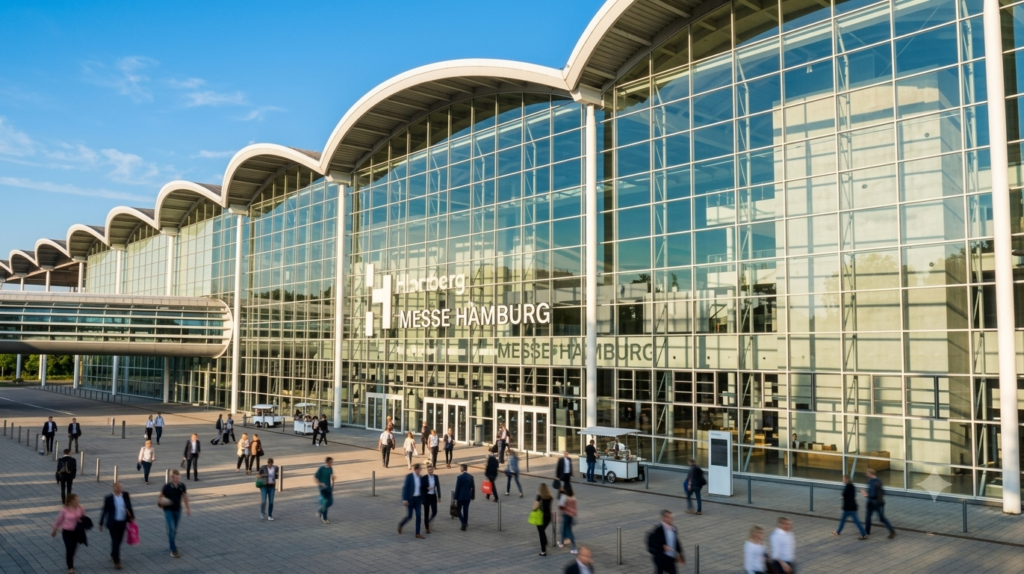
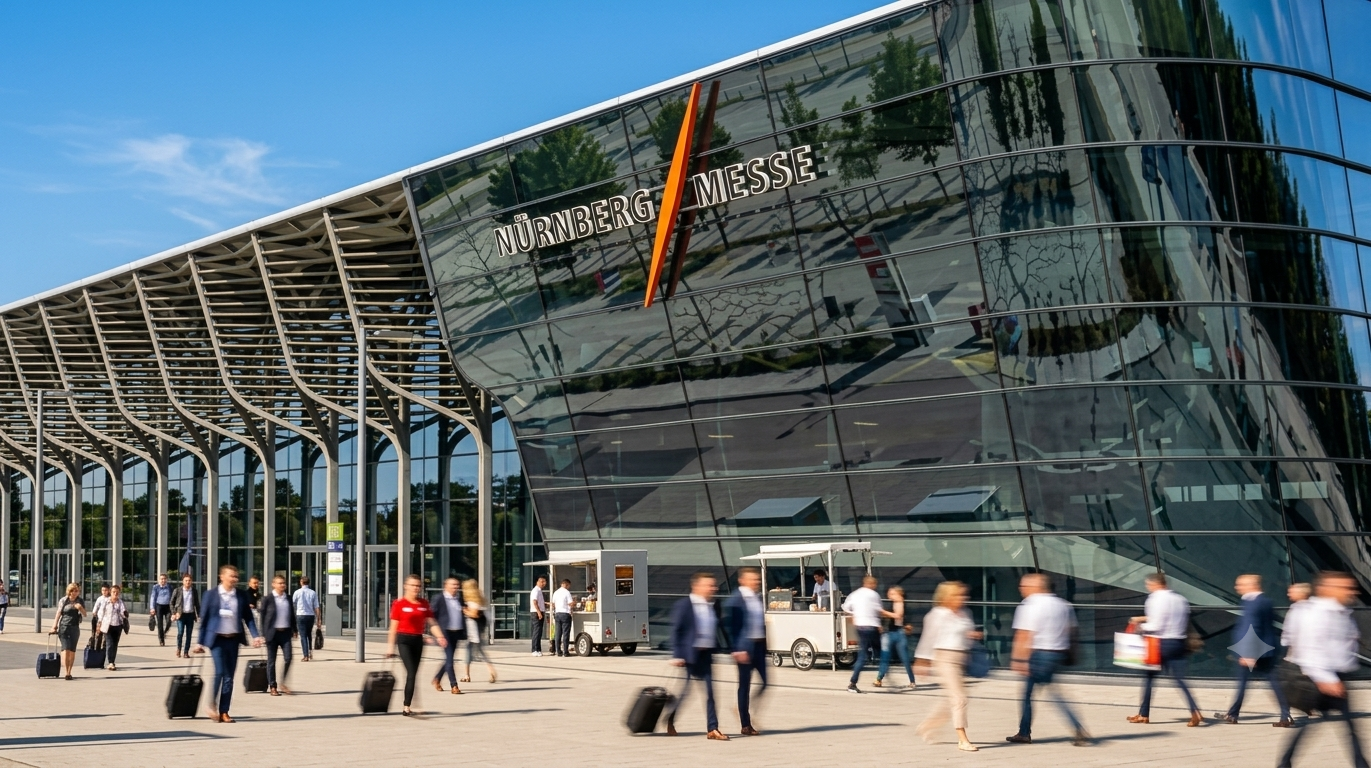
Show opening refers to the official start of a trade show, exhibition, expo, convention, or conference when the exhibition floor is opened to registered attendees, buyers, media, and stakeholders, marking the transition from pre-show setup operations to live commercial and networking activity.
Within the global MICE industry (Meetings, Incentives, Conferences, Exhibitions), the show opening is one of the most strategically important and highly choreographed moments of the entire event lifecycle, representing the point at which months of planning, logistics, and installation are transformed into real-time business engagement.
Industry frameworks consistently describe show opening as the formal activation of the exhibition environment, where exhibitors begin interacting with visitors and the show floor becomes a fully operational commercial marketplace .
In practice, the show opening is not just a symbolic moment—it is the precise operational threshold where safety systems, visitor flow management, exhibitor readiness, and venue coordination must align perfectly to ensure a controlled and successful launch.

The Strategic Role of Show Opening in the Event Ecosystem
Show Opening as the Activation Switch of the Exhibition Ecosystem
Modern exhibitions operate like temporary cities built for intense commercial exchange. The show opening functions as the activation switch that brings the entire ecosystem online simultaneously.
At the moment of opening:
- Visitor access systems are activated
- Security and badge control systems go live
- Exhibitor booths transition from setup mode to live operation
- Aisle traffic and crowd flow systems begin full circulation
- Programming, sessions, and activations commence
This transition must be precisely timed and tightly controlled, as even minor delays or misalignments can disrupt the entire operational flow of the event.
Why Show Opening Is One of the Most Critical Phases in MICE Execution
Show opening directly impacts:
- First impressions of exhibitors and organizers
- Visitor experience and crowd flow efficiency
- Media coverage and industry perception
- Booth performance and engagement rates
- Lead generation and commercial outcomes
- Overall operational credibility of the event
In high-volume exhibitions, the first 30–60 minutes after opening are often the most traffic-dense and commercially significant period of the entire show cycle.
Core Components of a Professional Show Opening
1. Final Pre-Opening Readiness Checks
Before doors open, organizers conduct final validations:
- Booth completion verification
- Electrical and technical system testing
- Safety and compliance clearance
- Aisle and emergency route inspections
These checks ensure that the venue is fully prepared for live operations.
2. Security and Access Activation
At show opening, access control systems are fully activated:
- Badge scanning and registration validation
- VIP and press entry coordination
- Crowd control at entry points
- Restricted zone enforcement
Security teams ensure a controlled and safe entry flow into the exhibition environment.
3. Visitor Flow and Crowd Management Initiation
The opening moment triggers large-scale visitor movement:
- Hall entry sequencing
- Aisle flow distribution
- Traffic balancing across exhibition zones
- Real-time crowd monitoring systems
Efficient flow management is essential to prevent bottlenecks and congestion during peak entry periods.
4. Exhibitor Activation and Live Engagement Start
Once the show opens:
- Booth staff begin live engagement activities
- Product demonstrations commence
- Lead generation systems go live
- Meetings and networking sessions begin
This is the moment when exhibitors transition from setup readiness to full commercial activation.
5. Opening Ceremonies and Media Activation
Many large exhibitions include formal opening elements:
- Ribbon-cutting ceremonies
- Keynote speeches or VIP remarks
- Media briefings and press coverage
- Influencer and stakeholder walkthroughs
These activities amplify visibility and global reach of the event launch moment.
Show Opening vs Show Close vs Show Schedule Activation
Show Opening: The Start of Live Operations
Represents:
- Entry of visitors
- Activation of exhibitor engagement
- Beginning of commercial activity
Show Close: The End of Live Operations
Represents:
- End of visitor access
- Transition to dismantling phase
- Shutdown of operational systems
Show Schedule Activation: The Temporal Framework
Includes:
- Opening times
- Session schedules
- Networking slots
- Operational windows
Together, these define the full temporal architecture of MICE events.
Why Show Opening Matters in Trade Show Performance
Driving First Impressions and Brand Impact
The opening moment defines:
- How visitors perceive the event
- How exhibitors perform in early engagement
- How media frames the event narrative
Maximizing Early Engagement Opportunities
Research and industry observation show that early hours often generate:
- Highest-quality visitor interactions
- Strongest media visibility
- Peak booth traffic efficiency
Ensuring Operational Stability Under Peak Load
A successful opening ensures:
- Stable visitor flow
- Functional infrastructure systems
- Coordinated exhibitor operations
Challenges During Show Opening
Peak Crowd Congestion
The initial influx of visitors can cause:
- Entry bottlenecks
- Aisle overcrowding
- Queue pressure at registration points
Last-Minute Booth Adjustments
Despite setup phases, some issues may remain:
- Missing graphics or materials
- Technical AV adjustments
- Staffing gaps
Security and Flow Management Pressure
Security teams must balance:
- Speed of entry
- Safety compliance
- Access validation accuracy
Digital Transformation of Show Opening Operations
Smart Access Control Systems
Modern exhibitions rely on:
- QR code and RFID badge scanning
- Real-time entry analytics
- Automated credential validation
Crowd Analytics and Flow Monitoring
Advanced systems enable:
- Heatmapping of visitor density
- Predictive congestion alerts
- Real-time flow redistribution
Mobile Engagement Platforms
Visitors and exhibitors increasingly use:
- Event apps for navigation
- Live schedule updates
- Digital networking tools
This transforms show opening into a data-driven activation event rather than a purely physical transition.
Future Trends in Show Opening Management
The evolution of show opening is driven by:
- AI-powered crowd orchestration systems
- Digital twin simulations of visitor flow
- Automated security validation systems
- Real-time exhibitor readiness scoring
- Smart venue infrastructure integration
- Hybrid physical-digital opening ceremonies
Show opening is evolving into a highly orchestrated, data-driven activation layer within global MICE ecosystems.
FAQ – Show Opening Industry Insights
What is show opening in a trade show?
Show opening is the official moment when an exhibition opens to visitors and live operations begin.
Why is show opening important?
It sets the tone for visitor experience, exhibitor performance, and overall event success.
Who manages show opening?
Show organizers, venue operators, security teams, and exhibitors jointly manage the process.
What happens during show opening?
Security activation, visitor entry, exhibitor engagement, and live programming all begin.
Is show opening the same as opening ceremony?
No. The opening ceremony is symbolic, while show opening is the operational start of the event.
What challenges occur during show opening?
Crowd congestion, last-minute booth issues, and access control pressure are common challenges.