Venue
Venue – The Foundational Infrastructure of Global Events, Exhibitions, and Live Experiences
What Is a Venue in the Modern MICE Ecosystem
A venue is the physical or hybrid location where an event takes place, including trade shows, exhibitions, expos, conventions, conferences, and corporate meetings. Within the global MICE industry (Meetings, Incentives, Conferences, Exhibitions), the venue represents the core spatial infrastructure that enables all event activity to exist, function, and scale.
A venue is not simply a building or hall—it is a purpose-driven environment engineered to host structured human interaction at scale, combining architecture, logistics, technology, and experience design into a unified operational system.
Industry definitions consistently describe a venue as the designated place where an organized event occurs, ranging from convention centers and exhibition halls to hybrid digital platforms and temporary event structures .

The Strategic Role of Venues in the Global Event Ecosystem
Venues as the Physical Backbone of the MICE Industry
Venues serve as the foundation layer of every live event experience, enabling interaction between:
- Exhibitors and buyers
- Speakers and audiences
- Brands and stakeholders
- Governments and industries
Without a venue, there is no physical or spatial framework for structured engagement, traffic flow, or experiential delivery.
In the modern event economy, venues function as high-performance environments for temporary business ecosystems, hosting everything from small meetings to global mega-expos.
From Location to Experience Infrastructure
The role of the venue has evolved significantly. It is no longer just a static location but a dynamic experience infrastructure that influences:
- Attendee behavior and movement patterns
- Exhibitor visibility and engagement outcomes
- Content delivery effectiveness
- Networking density and interaction quality
- Overall event perception and brand value
Modern venues are designed to function as adaptive environments capable of supporting complex, multi-layered event formats.
Types of Venues in the MICE and Events Industry
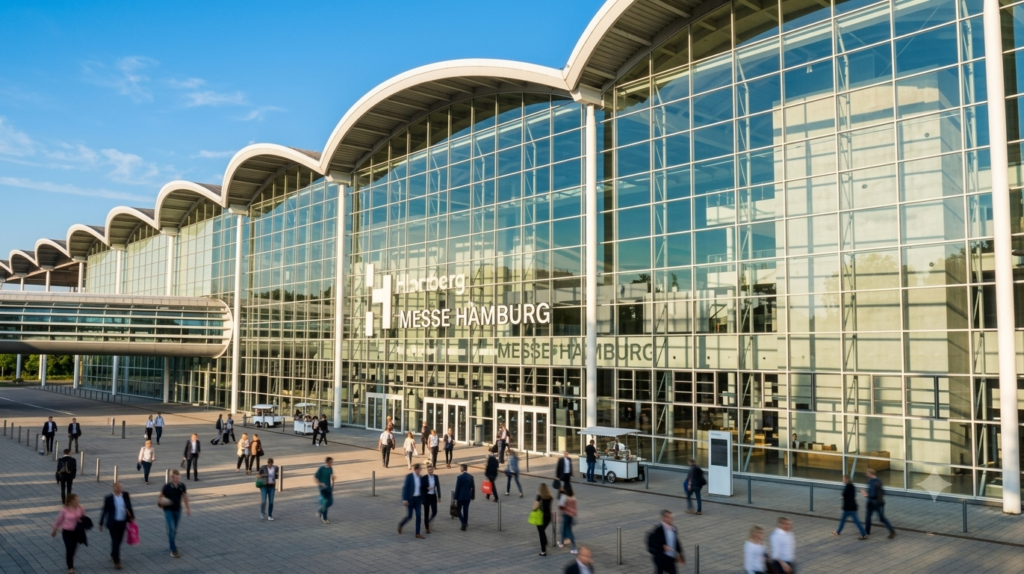
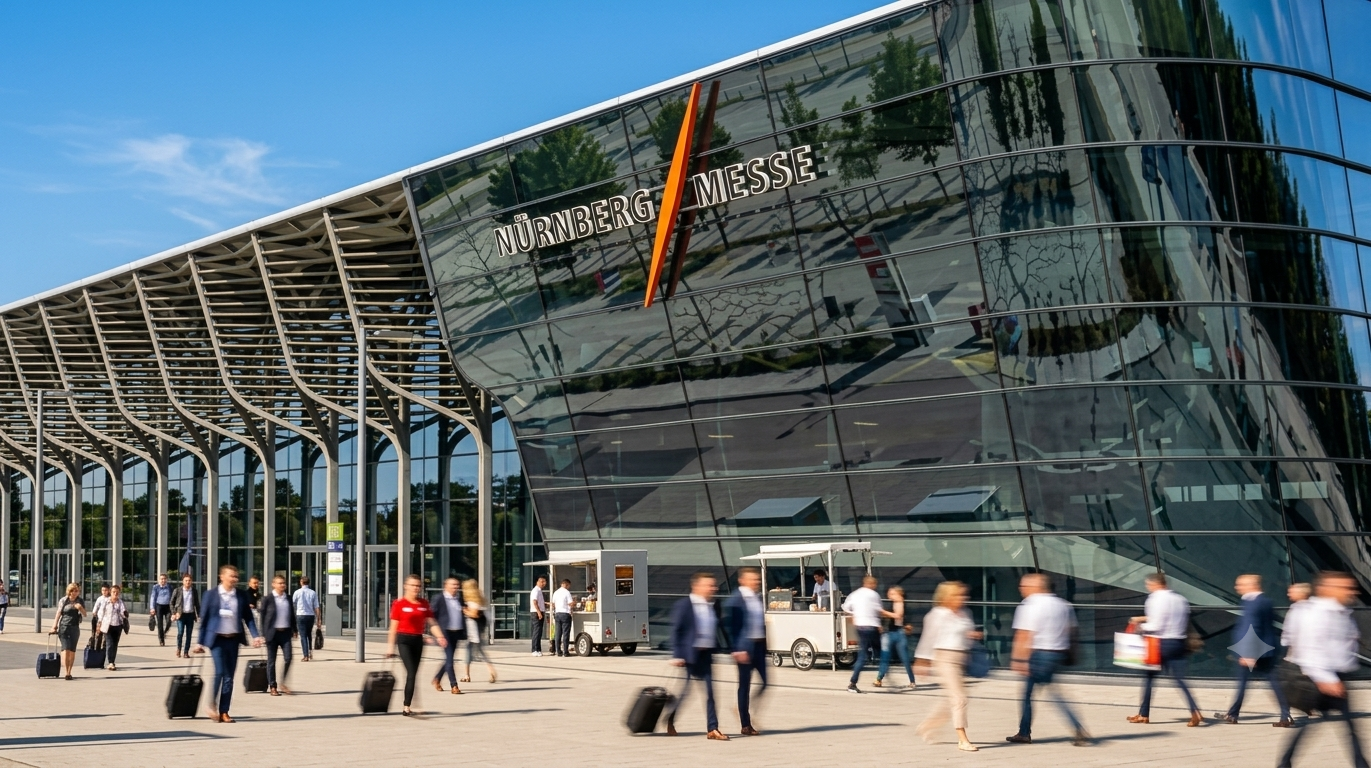
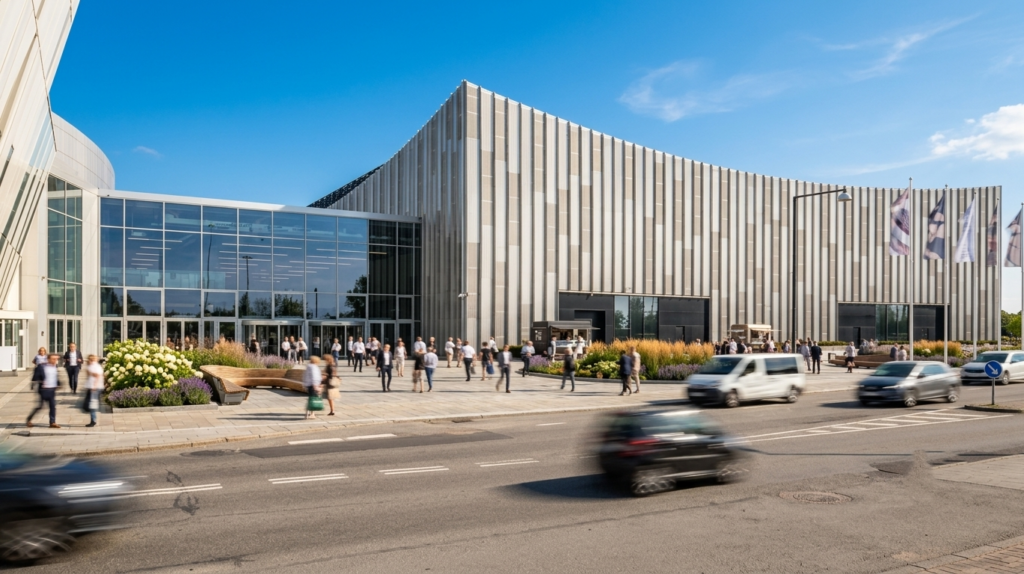
Convention and Exhibition Centers
Large-scale venues built specifically for MICE events, featuring:
- Multi-hall exhibition spaces
- Conference and breakout rooms
- Integrated technical infrastructure
- High-capacity visitor flow systems
These venues are optimized for trade shows, expos, and international conventions.
Hotels and Corporate Event Venues
Hotels often function as venues for:
- Business meetings
- Small conferences
- Corporate conventions
- Networking events
They offer integrated services such as accommodation, catering, and meeting spaces, making them ideal for mid-scale business events.
Unique and Non-Traditional Venues
These include:
- Museums and galleries
- Stadiums and arenas
- Industrial spaces
- Outdoor festival grounds
- Cultural heritage sites
These venues are increasingly used for experience-driven and brand-led events, where atmosphere and storytelling are critical.
Hybrid and Digital Venues
With the rise of hybrid events, the definition of venue now includes:
- Virtual event platforms
- Digital exhibition spaces
- Livestreamed conference environments
- Metaverse-based event infrastructures
This expands the venue concept into a borderless, always-on digital ecosystem.
Venue Design and Its Impact on Event Performance
Spatial Architecture and Visitor Flow
Venue design directly influences:
- Crowd movement efficiency
- Traffic distribution across halls
- Accessibility and navigation
- Engagement duration at booths or stages
Poorly designed venues create bottlenecks, while optimized layouts enhance visitor flow and engagement density.
Experience Design and Environmental Psychology
Modern venue planning incorporates behavioral insights such as:
- Visibility lines and focal points
- Lighting and acoustic engineering
- Zoning for different audience types
- Emotional impact of spatial design
This transforms venues into experience-engineered environments rather than neutral spaces.
Technical Infrastructure in Venues
High-performance venues integrate:
- High-speed connectivity and Wi-Fi networks
- Audiovisual and stage systems
- Digital signage and navigation tools
- Smart access control systems
- Hybrid streaming capabilities
These systems enable real-time interaction and global participation.
Venue Selection Strategy for Event Success
Key Criteria for Venue Selection
Event organizers evaluate venues based on:
- Location accessibility and transport links
- Capacity and scalability
- Technical infrastructure readiness
- Layout flexibility
- Cost efficiency and operational support
Venue selection is a strategic decision that directly impacts event ROI and attendee experience.
Venue as a Brand and Positioning Tool
The choice of venue communicates:
- Event scale and ambition
- Brand positioning and prestige
- Industry relevance and professionalism
- Target audience expectations
High-profile venues often enhance perceived event value and credibility.
Venue vs Event Location vs Exhibition Space
Venue: The Operational Environment
A venue is the fully equipped, structured space where events take place, including infrastructure, services, and operational systems.
Event Location: The Geographic Reference
An event location refers primarily to the geographic place, without necessarily implying infrastructure readiness.
Exhibition Space: Functional Area Within a Venue
Exhibition space refers specifically to the allocated area within a venue used for booths, stands, or displays.
Digital Transformation of Venues
Smart Venues and Connected Infrastructure
Modern venues are increasingly equipped with:
- IoT-based crowd monitoring systems
- AI-driven space optimization tools
- Real-time occupancy tracking
- Digital wayfinding applications
This enables data-driven venue management and optimization.
Hybrid Venue Ecosystems
Venues now extend into digital space through:
- Virtual attendance integration
- Hybrid stage broadcasting
- Global digital access points
- Real-time interactive engagement platforms
This creates a dual-layer physical-digital event environment.
Sustainability in Venue Operations
Sustainability is now a core requirement in venue management, including:
- Energy-efficient building systems
- Waste reduction and recycling programs
- Sustainable transport access planning
- Modular and reusable infrastructure systems
- Carbon footprint reduction initiatives
Venues are increasingly evaluated based on ESG compliance and environmental performance standards.
Future Trends in Venue Development
The evolution of venues is shaped by several macro trends:
- AI-powered crowd and traffic optimization
- Fully modular and reconfigurable spaces
- Digital twin simulation of venue layouts
- Immersive XR-enabled environments
- Autonomous operational management systems
- Continuous hybrid event readiness
Venues are evolving into intelligent, adaptive, and globally connected experience platforms.
FAQ – Venue Industry Insights
What is a venue in events?
A venue is the physical or digital location where an event such as a trade show, exhibition, or conference takes place.
Why is venue selection important?
Venue selection affects accessibility, attendee experience, operational efficiency, and overall event success.
What types of venues are used for events?
Common venues include convention centers, hotels, exhibition halls, arenas, outdoor spaces, and digital platforms.
What is the difference between venue and location?
A location is a geographic reference, while a venue is a fully equipped space designed to host events.
Can a venue be digital?
Yes. Modern hybrid events include virtual venues such as online platforms and digital exhibition environments.
How does venue design affect events?
Venue design influences visitor flow, engagement levels, visibility, and overall event experience quality.