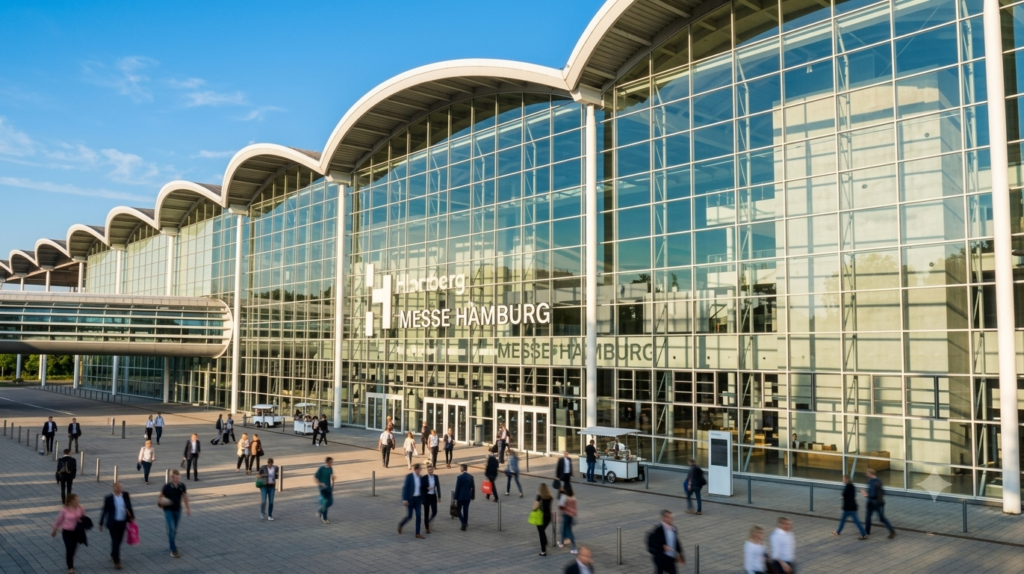
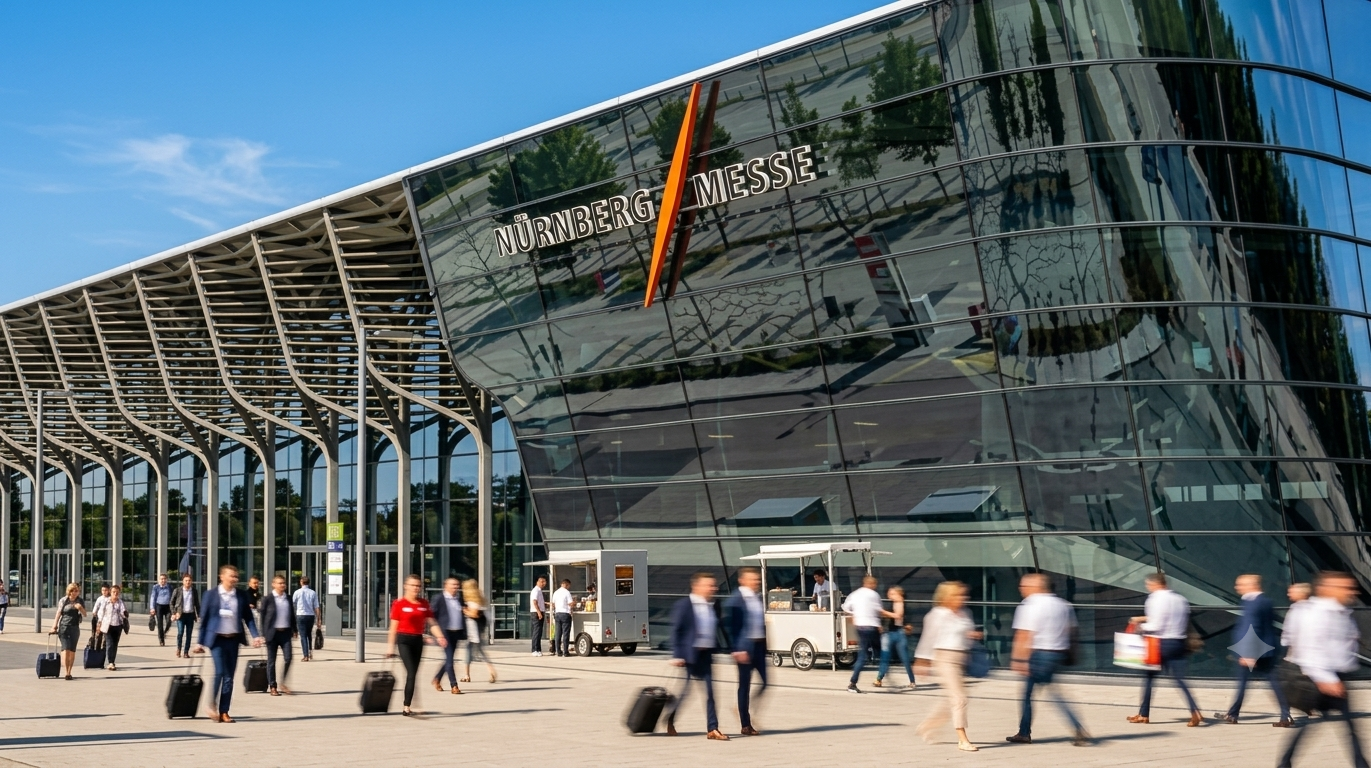
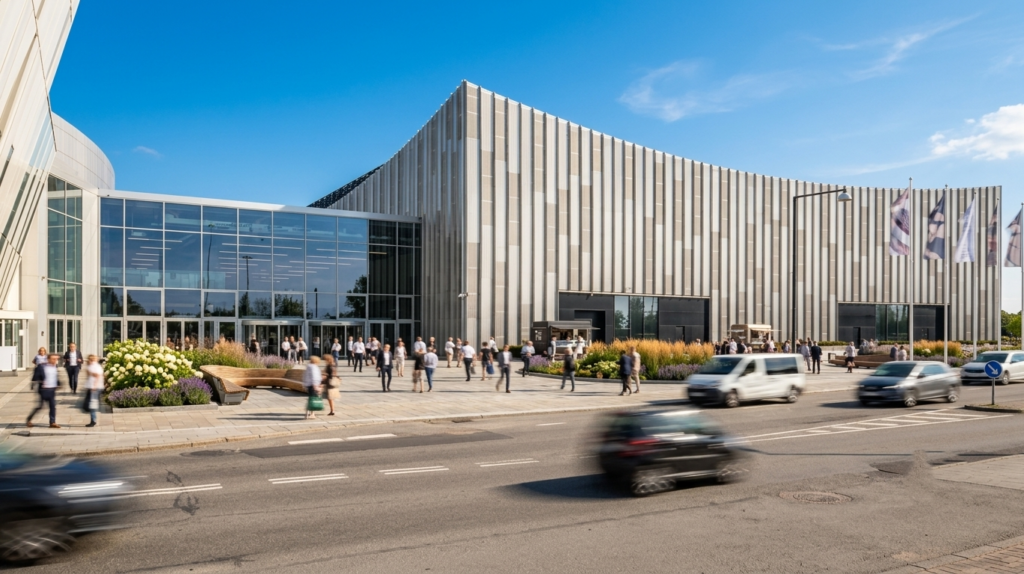
Exhibition
Exhibition – The Strategic Engine of Global Face-to-Face Marketing
What Defines an Exhibition in Today’s Global Event Ecosystem
An exhibition is a structured, time-bound, and purpose-driven gathering where organizations present products, services, technologies, and innovations to a targeted audience. In the modern context of the global events industry, exhibitions function as commercial platforms for visibility, engagement, lead generation, and market positioning.
Unlike passive marketing channels, exhibitions operate as immersive environments of direct interaction, where brands and decision-makers meet within a highly concentrated physical marketplace. As defined in industry research, exhibitions bring together organizers, exhibitors, and visitors in a curated ecosystem designed to enable exchange, discovery, and business development .
At their core, exhibitions are no longer just events—they are strategic business instruments embedded in global marketing architectures.
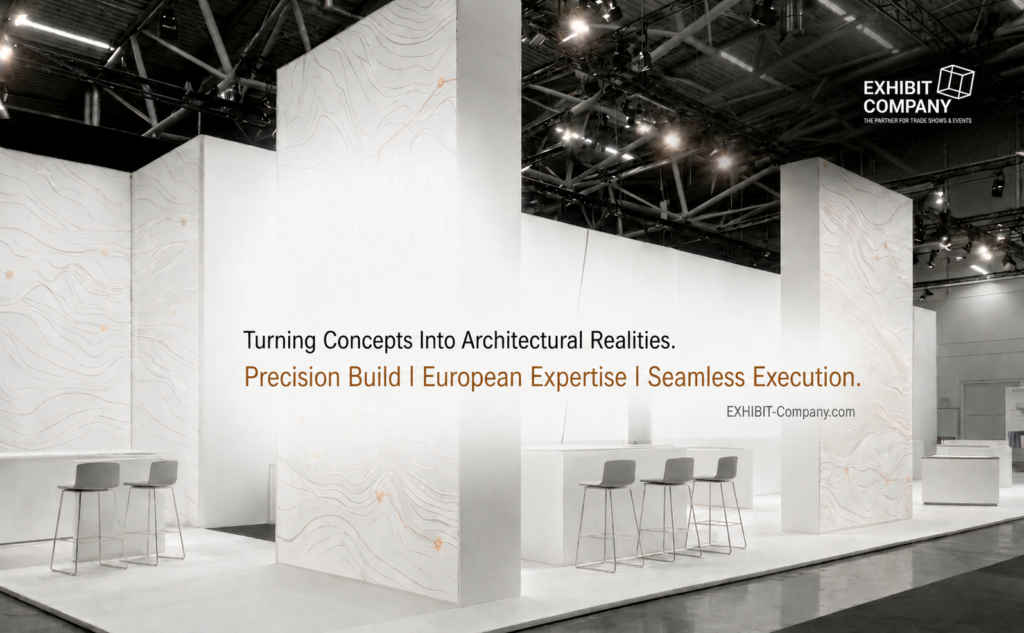
The Evolution of Exhibitions from Static Displays to Experience-Driven Platforms
From Industrial Showcases to Hybrid Experience Ecosystems
Historically, exhibitions emerged as structured displays of industrial progress and commercial capability. Over time, they evolved into highly specialized trade environments, serving industries ranging from manufacturing and automotive to technology, healthcare, and design.
Today’s exhibitions extend far beyond product display. They integrate:
- Live demonstrations and product launches
- Experience-driven brand environments
- Data-led visitor engagement systems
- Hybrid and digital exhibition formats
- Immersive storytelling through spatial design
Modern exhibitions increasingly combine physical and digital layers, including virtual extensions, hybrid access models, and mixed reality environments, expanding audience reach beyond the venue itself.
Exhibitions as Commercial Micro-Markets
A contemporary exhibition functions as a temporary economic ecosystem, where supply and demand converge within a compressed timeframe.
Key structural characteristics include:
- Defined industry segmentation
- Pre-assigned booth infrastructures
- Curated visitor demographics
- High-intent business audiences
- Concentrated sales and networking cycles
Within this environment, exhibitors compete not only for visibility, but for attention, relevance, and conversion within seconds of audience engagement.
Types of Exhibitions in the Global Trade Fair Landscape
Industry-Specific Trade Exhibitions
These are B2B-focused environments where companies within a defined sector present innovations to buyers, distributors, and stakeholders.
Typical examples include:
- Manufacturing and industrial technology exhibitions
- Automotive and mobility expos
- Construction and architecture trade fairs
- Medical and healthcare exhibitions
These formats prioritize lead generation, procurement relationships, and supply chain integration.
Public Exhibitions and Consumer-Facing Shows
Public exhibitions extend beyond B2B audiences and are designed to engage end consumers directly. These formats emphasize:
- Brand awareness
- Product discovery
- Retail conversion
- Mass audience engagement
They often overlap with cultural, lifestyle, and entertainment sectors.
Hybrid and Multi-Audience Exhibition Models
The modern exhibition landscape increasingly blends B2B and B2C dynamics, creating hybrid environments that serve:
- Industry professionals
- General consumers
- Media and influencers
- Digital audiences via livestreams
This evolution reflects the industry shift toward multi-layered engagement strategies and extended lifecycle event content.
Exhibition Booths as Strategic Brand Architecture
The Booth as a Commercial Command Center
Within exhibitions, the booth is no longer a passive display space. It functions as a strategic micro-headquarters for marketing, sales, and brand storytelling.
High-performance exhibition booths are designed around:
- Immediate visual comprehension
- Strong brand recognition from aisle distance
- Open, accessible visitor flow
- Experiential engagement zones
- Digital integration points (screens, AR, lead capture systems)
Recent industry insights highlight that visitors make decisions within seconds—meaning booth clarity and messaging precision are critical for engagement success.
Design Intelligence in Modern Exhibition Environments
Exhibition stand design has shifted toward architectural storytelling and behavioral engagement engineering.
Key design priorities include:
- Vertical visibility structures (hanging elements, towers, lighting rigs)
- Modular and reusable construction systems
- Sustainable material strategies
- Interactive and sensory engagement zones
- Minimalist messaging with high-impact visuals
In crowded exhibition halls, differentiation is achieved through clarity, elevation, and experiential density rather than scale alone.
Strategic Value of Exhibitions for Global Brands
Lead Generation and Pipeline Acceleration
Exhibitions remain one of the most efficient environments for:
- High-quality lead acquisition
- Real-time qualification of prospects
- Immediate sales conversations
- Pipeline acceleration within a compressed timeframe
Unlike digital-only channels, exhibitions compress weeks of sales interaction into days of concentrated engagement.
Brand Authority and Market Positioning
Presence at key exhibitions signals:
- Industry credibility
- Market participation
- Innovation leadership
- Competitive positioning
For global brands, exhibitions function as visibility amplifiers within highly competitive ecosystems.
Competitive Intelligence and Market Insight
Exhibitions provide direct access to:
- Competitor product launches
- Pricing strategies and positioning
- Emerging technology trends
- Customer feedback in real time
This makes exhibitions a critical tool for strategic market intelligence gathering.
Digital Transformation of the Exhibition Industry
Hybrid Events and Extended Reach Models
The integration of digital tools has fundamentally reshaped exhibitions:
- Hybrid participation models
- Virtual booths and online showrooms
- Real-time analytics dashboards
- Digital lead capture systems
- Post-event engagement ecosystems
Exhibitions now extend beyond physical timeframes into continuous engagement platforms.
Data-Driven Exhibition Performance
Modern exhibitors increasingly rely on data to evaluate:
- Visitor dwell time
- Engagement depth
- Lead quality scoring
- Booth traffic patterns
- Conversion ratios
This transformation positions exhibitions as measurable performance-driven marketing channels rather than branding exercises.
Sustainability and the Future of Exhibition Design
Sustainability has become a core requirement in exhibition planning and execution.
Key industry shifts include:
- Reusable modular booth systems
- Recyclable and low-impact materials
- Reduced freight and logistics footprints
- Energy-efficient lighting and display systems
- Circular design principles for stand construction
Exhibitions are rapidly evolving into responsible, resource-optimized environments aligned with global ESG standards.
Exhibition Industry Trends Shaping the Next Decade
The global exhibition landscape is being reshaped by several macro trends:
- Experience-first booth design strategies
- AI-powered visitor matchmaking systems
- Immersive technologies (AR/VR/MR integration)
- Micro-targeted industry events
- Hybrid global-local exhibition ecosystems
- Increased focus on measurable ROI and data accountability
These developments reinforce exhibitions as high-performance business platforms rather than traditional event formats.
FAQ – Exhibition Industry Insights
What is the main purpose of an exhibition?
An exhibition serves as a structured platform for companies to present products, generate leads, build partnerships, and strengthen market presence within a specific industry.
How does an exhibition differ from a trade show?
While often used interchangeably, exhibitions can include broader B2C or cultural formats, whereas trade shows are typically focused on B2B industry-specific business exchange.
Why are exhibitions important for businesses?
Exhibitions enable direct access to qualified audiences, real-time product feedback, competitive analysis, and accelerated sales cycles.
What makes a successful exhibition booth?
A successful booth combines clarity, visibility, strong branding, open layout design, and interactive engagement elements that capture attention within seconds.
Are exhibitions still relevant in a digital-first world?
Yes. Exhibitions remain highly relevant because they deliver face-to-face interaction, trust-building, and high-intent business engagement that digital channels cannot fully replicate.
How are exhibitions evolving today?
They are becoming hybrid, data-driven, sustainability-focused, and experience-oriented environments that extend beyond physical venues into digital ecosystems.