
Trade Shows, Exhibitions & Industry Events
Trade Shows, Exhibitions & Industry Events
The Core of the Global B2B Event Economy
Trade shows, exhibitions and industry events represent one of the most established and effective formats in global B2B marketing, business development and industry networking.
Across sectors, from manufacturing and industrial technology to consumer goods, healthcare, automotive, energy and digital industries, trade shows bring entire ecosystems together in one place.
Companies showcase products.
Buyers evaluate solutions.
Partners negotiate agreements.
And entire industries align around innovation, competition and market development.
A trade show is typically a time-bound, industry-specific event where companies exhibit their products and services to a targeted professional audience, including buyers, distributors, media and industry stakeholders.
TradeShowsHub provides structured knowledge, operational insights and industry terminology around this ecosystem—covering not just what trade shows are, but how they actually function in practice.
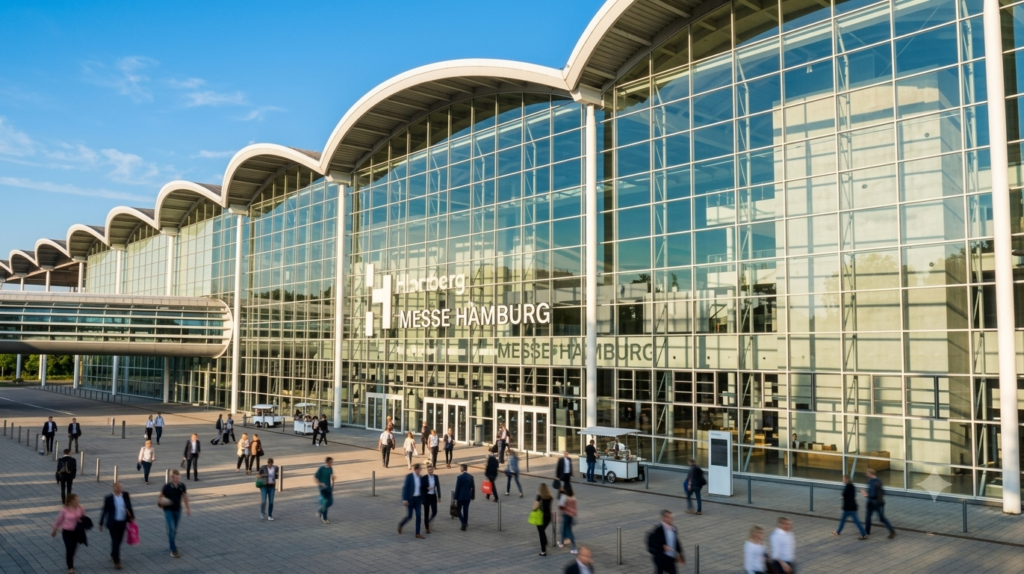
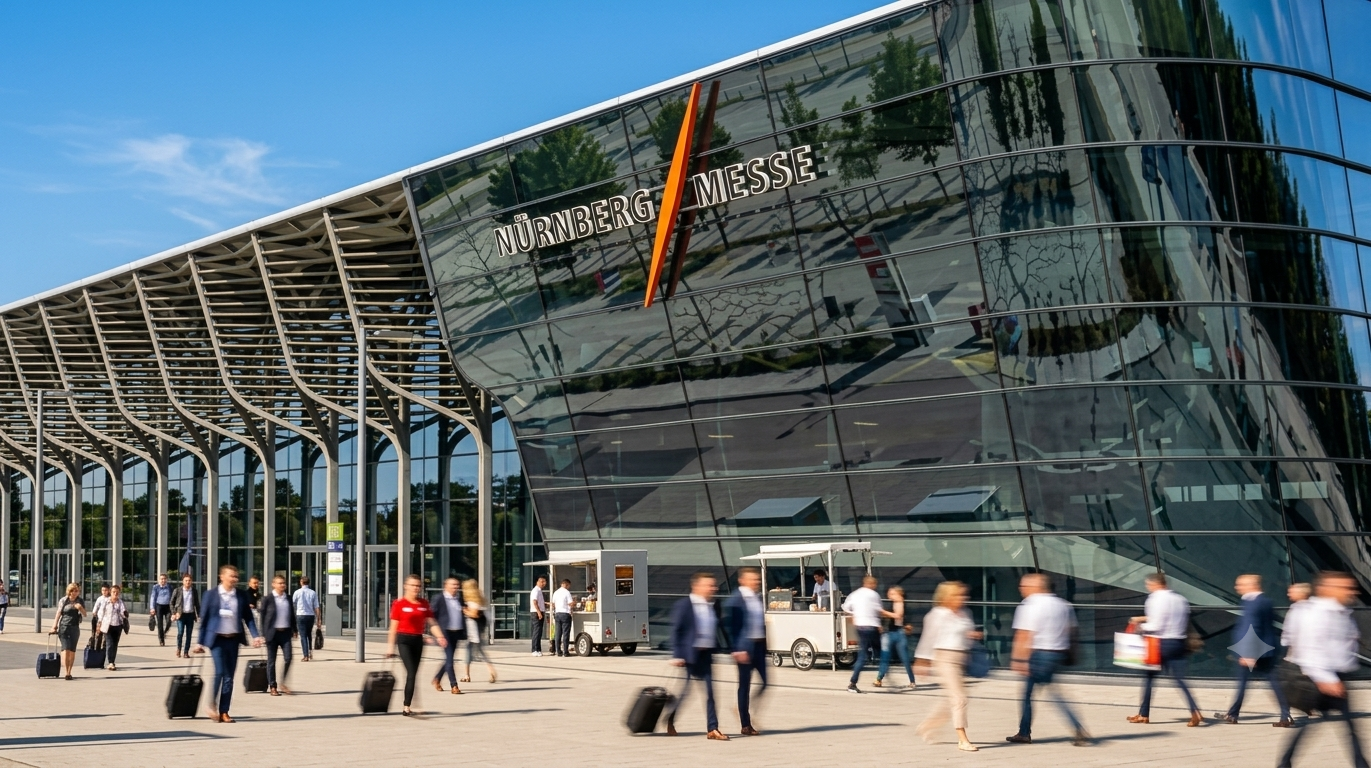
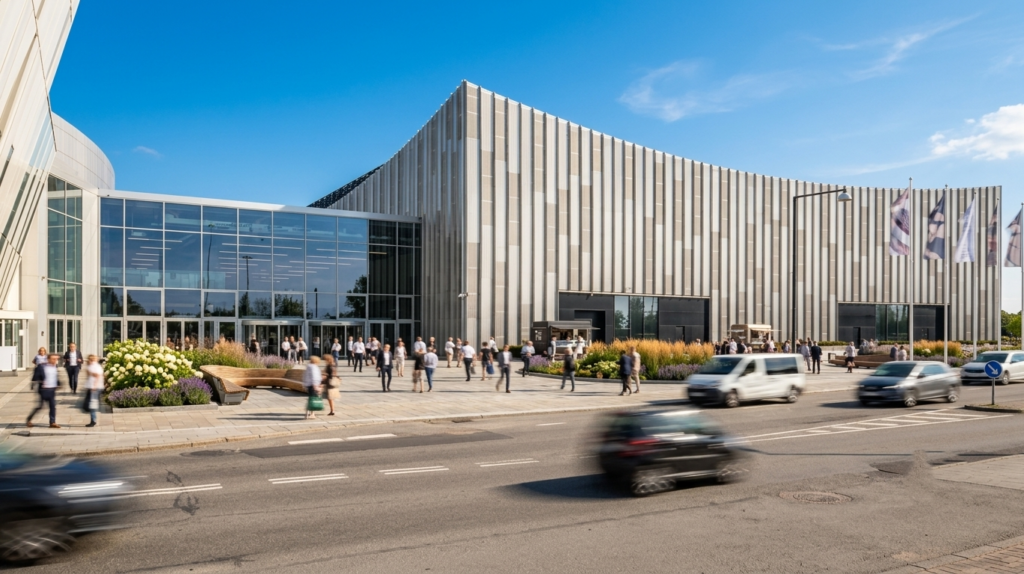
Understanding the Trade Show Ecosystem
Trade shows are not isolated marketing events.
They are complex operational systems that combine:
- Exhibition planning and sales
- Booth design and construction
- Logistics and freight coordination
- On-site installation and dismantling
- Technical infrastructure and services
- Venue operations and scheduling
- Exhibitor marketing and lead generation
Each of these components must work in sync under strict timelines and controlled access windows.
A typical trade show operates over several phases:
- Pre-show planning and exhibitor onboarding
- Stand design and production
- Logistics and material shipment
- Move-in and installation
- Live show operations
- Move-out and dismantling
- Post-show follow-up and evaluation
This lifecycle defines how the industry operates behind the scenes.
What Defines a Trade Show or Exhibition
A trade show is a temporary marketplace where companies within a specific industry gather to present their products and services in a structured event environment.
Unlike consumer fairs, most trade shows are focused on B2B interaction and professional decision-makers.
Key characteristics include:
- Industry-specific focus
- Time-limited event duration (typically 2–5 days)
- Pre-assigned exhibition space and booth structures
- Business-oriented visitor audience
- High concentration of suppliers, buyers and stakeholders
These characteristics make exhibitions a highly efficient environment for networking, sales and market analysis.
The Role of Exhibitions in Modern Industry
Trade shows continue to play a central role in global industry development.
They function as:
- Sales and lead generation platforms
- Product launch environments
- Market intelligence hubs
- Networking ecosystems
- Competitive benchmarking spaces
- Partnership development arenas
Despite digital transformation, face-to-face engagement remains a critical factor in building trust and accelerating business relationships.
Industry research consistently highlights that exhibitions provide concentrated access to qualified decision-makers and enable real-time product demonstration and feedback.
Exhibitors, Visitors and Industry Stakeholders
Every trade show is built around three core participant groups:
Exhibitors
Companies presenting products, services or solutions.
Typical goals include:
- Lead generation
- Brand visibility
- Market positioning
- Product launches
- Partner acquisition
Visitors
Industry professionals attending the event.
They include:
- Buyers and procurement teams
- Distributors and resellers
- Engineers and technical specialists
- Decision-makers and executives
- Media and analysts
Industry Stakeholders
The operational backbone of the event:
- Exhibition organizers
- Booth builders and fabricators
- Logistics providers
- Venue operators
- Service contractors
- Event agencies
Together, these groups form a tightly connected operational ecosystem.
Exhibition Formats and Event Types
The industry includes several event formats, each serving different purposes:
Trade Shows
Business-focused exhibitions restricted to industry professionals.
Consumer Exhibitions
Events open to the general public with direct sales orientation.
Hybrid Events
A combination of trade and public access formats.
Industry Expos
Large-scale thematic exhibitions covering multiple sectors or technologies.
Specialized Sector Events
Focused exhibitions dedicated to specific industries such as automotive, healthcare or IT.
Each format influences booth design, logistics complexity and visitor engagement strategies.
The Operational Reality Behind Every Event
While exhibitions appear as finished brand environments on the show floor, the operational complexity behind them is significant.
A single booth may involve:
- Design and engineering teams
- Carpentry and fabrication workshops
- International freight forwarding
- Customs clearance processes
- Installation crews working under time pressure
- Technical service providers (electricity, lighting, AV)
- Venue regulations and safety compliance
Execution success depends on coordination across all these layers.
Why Trade Shows Still Matter in a Digital Economy
Even as digital marketing expands, exhibitions remain one of the most effective B2B channels due to:
- Direct access to decision-makers
- High-quality lead generation opportunities
- Physical product interaction
- Relationship building and trust creation
- Market validation and feedback loops
Many companies continue to view exhibitions as a critical part of their go-to-market strategy, particularly in relationship-driven industries.
Global Nature of the Exhibition Industry
Trade shows operate on a truly global scale.
Major exhibition destinations include:
- Europe (Germany, Italy, France, UK)
- North America (USA, Canada)
- Asia-Pacific (China, Singapore, Japan)
- Middle East (UAE, Saudi Arabia)
- Latin America (Brazil, Mexico)
International events require additional coordination layers, including:
- Cross-border logistics
- Customs documentation
- Local labor regulations
- Cultural and operational differences
- Multi-country project planning
This global dimension significantly increases operational complexity.
Key Industry Challenges
The exhibition industry continues to evolve, but several structural challenges remain:
- Tight build-up and dismantling schedules
- Increasing logistics costs
- Skilled labor shortages
- Rising sustainability requirements
- Complex international regulations
- Fragmented supplier ecosystems
These challenges require deeper operational knowledge and better coordination across stakeholders.
Knowledge Gap in the Industry
While trade shows are widely documented from marketing and event perspectives, operational knowledge is often fragmented across:
- suppliers
- agencies
- organizers
- internal company teams
Critical know-how is frequently passed through experience rather than structured documentation.
This includes:
- installation workflows
- logistics coordination
- on-site execution strategies
- material handling processes
- real-world project constraints
This gap is one of the key reasons platforms like TradeShowsHub exist.
How TradeShowsHub Frames This Industry
TradeShowsHub focuses on the operational and structural side of trade shows and exhibitions.
Instead of only describing events, the platform documents:
- how exhibitions are built
- how logistics are coordinated
- how projects are executed
- how stakeholders interact
- how workflows connect across disciplines
The goal is to create a structured knowledge layer for the global exhibition industry.
A Connected Industry System
Trade shows are not standalone events.
They are interconnected systems where every discipline depends on another:
- Design influences construction
- Construction influences logistics
- Logistics influences installation
- Installation influences event execution
- Execution influences marketing outcomes
Understanding these connections is essential for successful project delivery.
Explore the Trade Show Industry
This category serves as a foundational entry point into the global exhibition ecosystem.
From here, visitors can explore deeper knowledge areas covering:
- exhibition stand construction
- installation and dismantling
- logistics and material handling
- project management
- technical systems
- exhibitor strategy
- industry trends and venues