Trade Show
What Is a Trade Show?
A Trade Show is a large-scale, industry-specific event where companies gather in a temporary exhibition environment to showcase products, demonstrate services, build business relationships, and generate sales opportunities with targeted buyers, partners, and industry stakeholders.
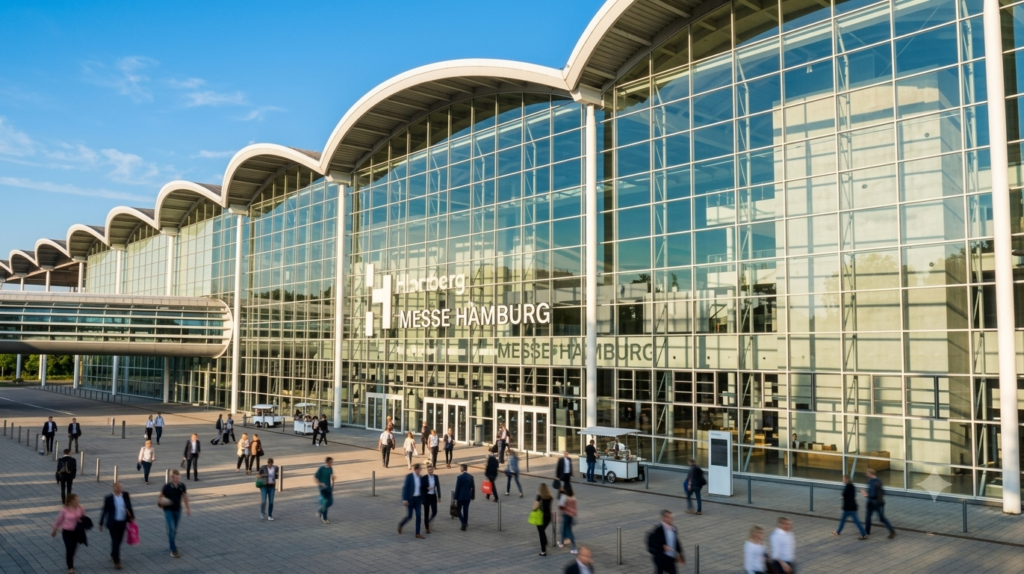
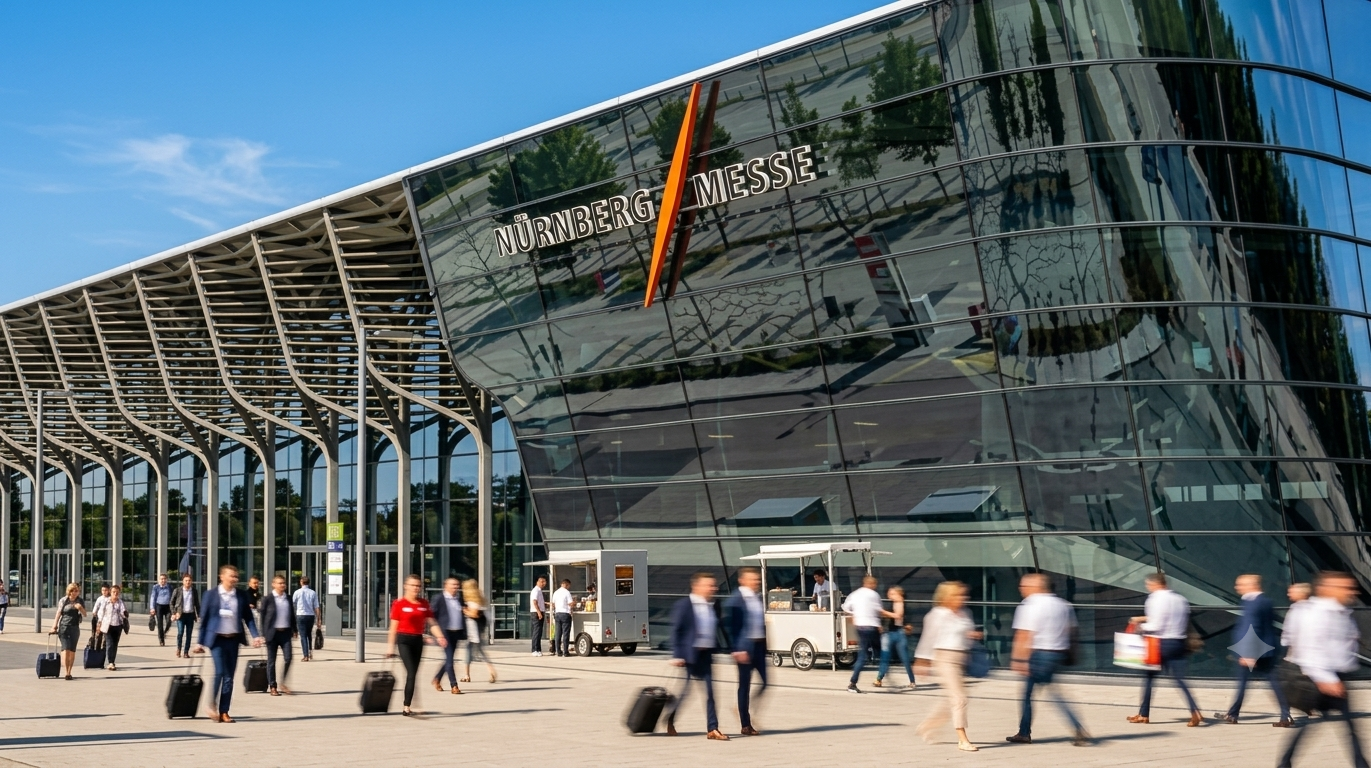
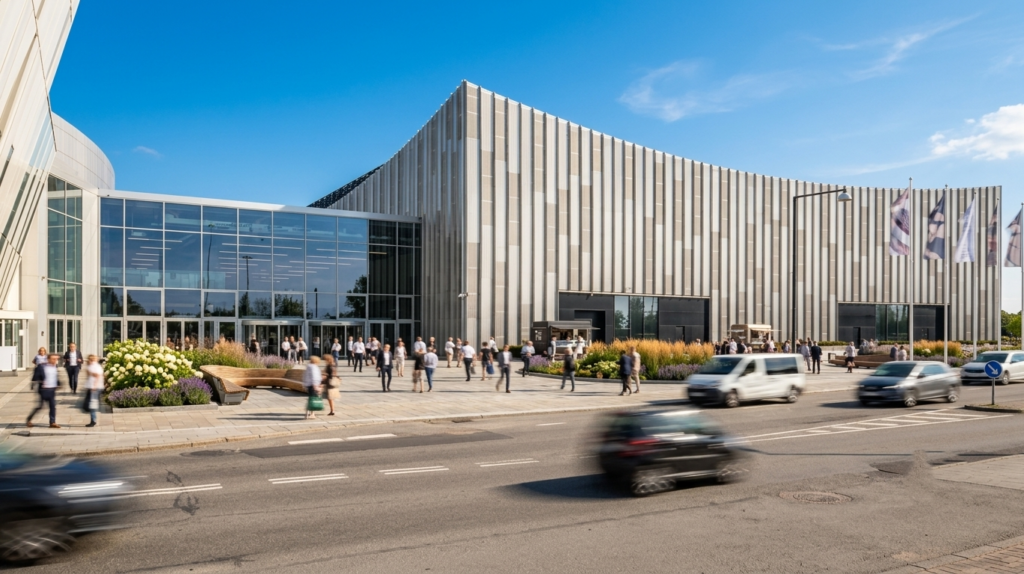
In most cases, trade shows take place in convention centers or exhibition halls and run for several days, creating a high-density marketplace where entire industries converge in one physical space.
Unlike consumer fairs, trade shows are primarily B2B-driven environments focused on professional networking, lead generation, market intelligence, and product positioning within a specific industry vertical.

The Strategic Role of Trade Shows in the Global Event Industry
Temporary Marketplaces for Entire Industries
A trade show functions as a temporary economic ecosystem, where:
- Buyers meet suppliers face-to-face
- Companies launch new products
- Competitors benchmark innovation
- Industry trends are observed in real time
This concentrated environment compresses months of business development into just a few days.
The Intersection of Marketing, Sales, and Experience
Modern trade shows operate at the intersection of:
- Marketing activation (brand visibility and storytelling)
- Sales execution (lead generation and deal creation)
- Experience design (booth engagement and live demos)
The exhibition floor becomes a live business engine rather than a passive display space.
Industry Intelligence and Competitive Benchmarking
Trade shows are also strategic intelligence hubs:
- Competitor product launches
- Pricing and positioning insights
- Technology and innovation trends
- Partner and supplier discovery
This makes them a critical research environment for decision-makers and executives.
Core Components of a Trade Show Ecosystem
1. Exhibition Floor and Booth System
The exhibition floor is the central structure of every trade show:
- Modular or custom-built booths
- Product demonstration zones
- Meeting and networking areas
- Industry-specific pavilions
Each booth functions as a temporary branded micro-environment within a larger industry city.
2. Exhibitors and Brand Presence
Exhibitors are the commercial foundation of trade shows:
- Product manufacturers
- Service providers
- Startups and innovators
- Industry leaders and sponsors
Their goal is to generate qualified leads, partnerships, and brand exposure in a compressed timeframe.
3. Visitors and Buyer Ecosystem
Trade show attendees typically include:
- Procurement professionals
- Industry buyers and distributors
- Engineers and technical specialists
- Media and analysts
- Strategic partners
This ensures that traffic is highly targeted and commercially relevant.
4. Conferences, Stages, and Educational Content
Most modern trade shows include:
- Keynote presentations
- Technical seminars
- Panel discussions
- Product launch events
These elements extend value beyond the booth floor into thought leadership and knowledge exchange.
Trade Show Operations and Infrastructure
Venue and Hall Systems
Trade shows rely on large-scale venues designed for:
- High visitor capacity
- Flexible hall layouts
- Heavy logistics handling
- Advanced technical infrastructure
Venues function as temporary industrial-scale business environments.
Logistics and Build-Up Operations
Behind every trade show lies a complex operational system:
- Freight handling and material delivery
- Booth construction and installation
- Electrical and technical setup
- Rigging and structural engineering
This phase transforms empty halls into fully functional business ecosystems within days.
On-Site Services and Support Systems
During live operations, essential services include:
- Exhibitor support desks
- Cleaning and waste management
- Security and crowd control
- Technical troubleshooting
These systems ensure continuous operational stability during peak activity.
Why Trade Shows Matter in Modern B2B Marketing
High-Intent Lead Generation Environment
Trade shows remain one of the most effective B2B channels because:
- Visitors actively seek solutions
- Conversations are face-to-face and high-context
- Decision-makers are physically present
- Sales cycles can be accelerated significantly
This makes trade shows a high-intent, high-density conversion environment.
Accelerated Relationship Building
Unlike digital channels, trade shows enable:
- Immediate trust building
- Real-time product demonstrations
- Direct negotiation and feedback
- Multi-stakeholder conversations
Relationships that take months online can form in minutes on the show floor.
Brand Visibility in Competitive Environments
Trade shows offer unmatched exposure:
- Physical brand presence among competitors
- Media and press coverage opportunities
- Live product storytelling
- Sponsorship visibility across halls
Market Validation and Product Testing
Exhibitors use trade shows to:
- Test new product concepts
- Gather direct customer feedback
- Validate pricing and positioning
- Observe competitor reactions
Digital Transformation of Trade Shows
Hybrid and Virtual Integration
Modern trade shows increasingly combine:
- Physical exhibitions
- Virtual event platforms
- Live streaming of sessions
- Digital exhibitor catalogs
Data-Driven Event Intelligence
Trade shows now generate rich datasets:
- Visitor tracking and analytics
- Booth engagement metrics
- Lead capture performance
- Session attendance data
This enables post-event optimization and ROI measurement.
Smart Booth Technologies
Exhibitors increasingly use:
- Interactive LED walls and video systems
- RFID-based lead tracking
- AI-powered visitor engagement tools
- Augmented reality product demos
Challenges in Trade Show Execution
High Cost of Participation
Trade shows involve significant investment:
- Booth construction and space rental
- Logistics and freight costs
- Staffing and travel expenses
- On-site service charges
Complex Operational Coordination
Success depends on:
- Timing precision during build-up
- Multi-vendor coordination
- Venue compliance rules
- Real-time problem solving
ROI Pressure and Performance Measurement
Many companies struggle with:
- Lead quality vs. quantity balance
- Follow-up execution after the event
- Attribution of trade show impact
- Cost justification across departments
Trade Show as a Global Industry Infrastructure
Trade shows are not just marketing events—they are:
- Industry communication systems
- Innovation accelerators
- Supply chain networking hubs
- Economic development platforms
They connect global markets through temporary but highly concentrated physical ecosystems.
Frequently Asked Questions (FAQ)
What is a trade show?
A trade show is a business event where companies in a specific industry showcase products and services to buyers, partners, and professionals.
What is the purpose of a trade show?
The main purpose is to generate business opportunities, showcase innovations, and build industry relationships.
Who attends trade shows?
Typical attendees include buyers, distributors, industry professionals, media representatives, and decision-makers.
How long does a trade show last?
Most trade shows last between 2 and 5 days, depending on the size and industry.
What is the difference between a trade show and an exhibition?
A trade show is typically B2B-focused, while exhibitions may also include public or consumer attendance depending on the format.
Why are trade shows important for businesses?
They provide direct access to qualified buyers, high-quality networking, and real-time product feedback.
Are trade shows still relevant today?
Yes, despite digital marketing growth, trade shows remain one of the most effective channels for high-value B2B engagement.