Booth
What Is a Booth?
A Booth is a defined, branded, and allocated space within the show floor of a trade show, exhibition, expo, or convention where an exhibitor presents products, services, or brand experiences to attendees, enabling direct engagement, lead generation, and commercial interaction within a structured event environment.
In the global MICE and trade fair ecosystem, the booth represents the primary unit of exhibitor presence and commercial activity, functioning as a temporary micro-environment where companies communicate value, demonstrate solutions, and compete for visitor attention in real time.
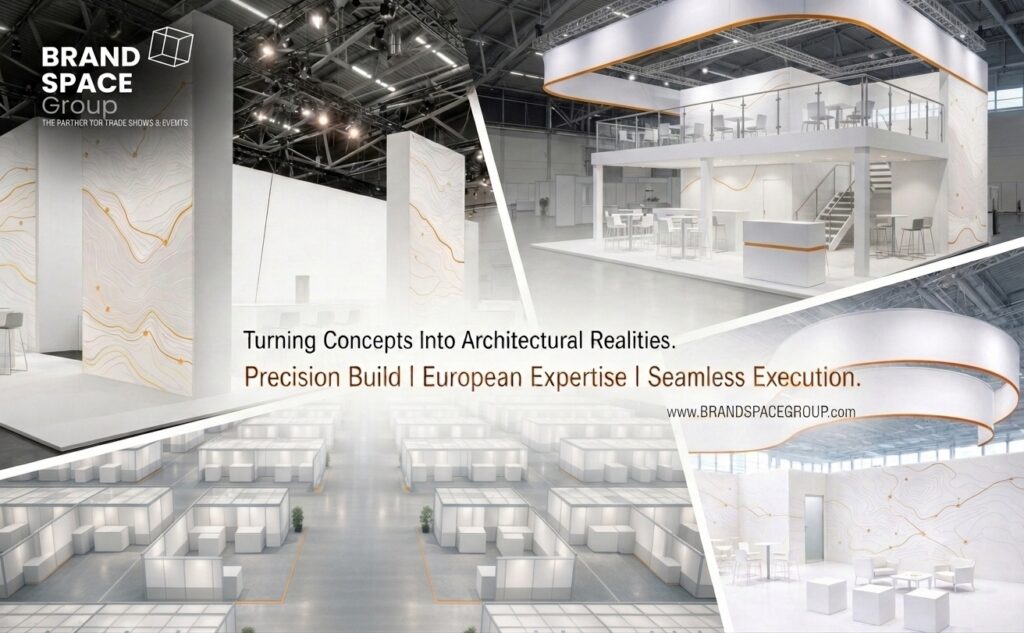
A booth can range from a simple tabletop display to a fully custom-built brand environment with interactive technology, meeting areas, and immersive storytelling elements.
The Strategic Role of a Booth in the Event Ecosystem
The Physical Expression of a Brand
A booth is more than a space—it is the three-dimensional representation of a company’s identity on the show floor:
- Brand messaging translated into physical design
- Visual identity communicated through structure and graphics
- Product positioning reinforced through layout and storytelling
- Staff interaction shaping real-time perception
This makes the booth the most immediate and influential brand touchpoint at any exhibition.
A High-Performance Lead Generation Environment
Booths are designed to convert foot traffic into business outcomes:
- Capturing qualified leads
- Enabling product demonstrations
- Hosting sales conversations
- Supporting partnership discussions
In trade show environments, the booth operates as a live marketing and sales engine.
A Competitive Micro-Marketplace
Every booth exists within a dense ecosystem of competing exhibitors:
- Adjacent brands compete for attention
- Design, lighting, and messaging influence visibility
- Booth location affects traffic volume
- Engagement strategies determine dwell time
The show floor transforms booths into competitive micro-markets within a larger industry ecosystem.
Core Types of Booths in Trade Shows
Inline Booth
An inline booth is positioned in a continuous row along aisles:
- Standard and cost-efficient
- Limited visibility (front-facing only)
- Best for structured messaging and focused engagement
Corner Booth
A corner booth is located at the intersection of two aisles:
- Increased visibility from two directions
- Higher visitor traffic potential
- Stronger branding exposure
Peninsula Booth
A peninsula booth is exposed on three sides:
- High visibility from multiple angles
- Ideal for demonstrations and product showcases
- Strong engagement flow
Island Booth
An island booth is fully open on all sides:
- Maximum visibility and accessibility
- Premium placement within show floor
- Ideal for large-scale brand experiences and activations
What Makes an Effective Booth?
1. Clear Visual Communication
Effective booths prioritize:
- Strong headline messaging
- Minimal visual clutter
- Immediate brand recognition
- Clear product positioning
Attendees typically decide within seconds whether to enter a booth, making clarity essential.
2. Spatial Design and Visitor Flow
Booth layouts are engineered to:
- Encourage entry from multiple directions
- Create open and inviting structures
- Separate demonstration and meeting areas
- Guide visitors through a narrative journey
Poor flow design reduces engagement regardless of brand strength.
3. Engagement Strategy
Modern booths are built for interaction:
- Live product demonstrations
- Digital touchpoints and screens
- Interactive experiences and gamification
- One-on-one consultation zones
This transforms passive viewing into active participation.
4. Lighting and Visibility
Lighting plays a critical role in booth performance:
- Attracts attention from across aisles
- Highlights key products and messages
- Creates emotional atmosphere and brand tone
- Improves dwell time and engagement
A well-lit booth consistently outperforms poorly illuminated competitors.
5. Staff Performance and Interaction
Booth success depends heavily on human interaction:
- Trained brand ambassadors
- Sales-focused engagement strategies
- Quick qualification of leads
- Professional visitor handling
Staff behavior often determines conversion quality more than design alone.
Booth vs Stand vs Exhibit Space
Booth
- Standard term in trade shows and exhibitions
- Defined exhibitor space on the show floor
- Focused on engagement and brand presence
Stand
- Commonly used in European exhibition terminology
- Similar meaning to booth
- Often associated with custom-built structures
Exhibit Space
- Neutral term describing allocated area
- Includes booth structure and surrounding footprint
- Used in contracts and floor planning
Why Booths Are Critical to Trade Show Success
For Exhibitors
Booths directly influence:
- Lead generation volume
- Brand visibility and recall
- Sales pipeline development
- Competitive positioning
For Organizers
Booths determine:
- Revenue through space sales
- Floorplan attractiveness
- Exhibitor satisfaction
- Event reputation
For Attendees
Booths provide:
- Direct access to suppliers
- Product comparison opportunities
- Networking and learning experiences
- Industry discovery in one location
The Evolution of the Modern Booth
From Static Display to Experience Hub
Modern booths are no longer static product displays. They have evolved into:
- Immersive brand environments
- Interactive storytelling spaces
- Data-driven engagement hubs
- Experience-first marketing platforms
Technology Integration in Booth Design
Today’s booths often include:
- LED walls and digital signage
- Augmented and virtual reality demos
- RFID and lead capture systems
- Live streaming and hybrid connectivity
This transforms booths into hybrid physical-digital engagement platforms.
Data-Driven Booth Performance
Advanced exhibitors now measure:
- Visitor dwell time
- Engagement heatmaps
- Lead quality scoring
- Conversion tracking
Booths are increasingly managed as performance-driven marketing assets.
Frequently Asked Questions (FAQ)
What is a booth in a trade show?
A booth is a designated exhibitor space on the show floor where companies present products and engage with attendees.
What is the purpose of a booth?
Its purpose is to generate leads, showcase products, build brand awareness, and facilitate business interactions.
What are the types of booths?
Common types include inline, corner, peninsula, and island booths.
What makes a booth successful?
Clear messaging, strong design, effective lighting, trained staff, and interactive engagement strategies.
Is a booth the same as a stand?
Yes, “stand” is commonly used in Europe and means the same as booth in most exhibition contexts.
How does booth location affect performance?
High-traffic areas, corner placements, and proximity to anchors significantly increase visitor flow.
What is the difference between a booth and exhibit space?
A booth is the built structure, while exhibit space refers to the allocated area within the floor plan.