
For Exhibitors, Organizers, Suppliers & Industry Professionals
For Exhibitors, Organizers, Suppliers & Industry Professionals
A Unified Platform for the Entire Trade Show Ecosystem
The global trade show and exhibition industry operates through a complex network of interconnected stakeholders.
From exhibitors planning their brand presence, to organizers managing large-scale event operations, to suppliers delivering critical infrastructure and services, every successful exhibition depends on coordinated execution across multiple disciplines.
TradeShowsHub is designed as a central knowledge and information hub for all participants in this ecosystem—providing structured insights, operational knowledge, and industry perspectives tailored to each professional group.
This page serves as an entry point into the core stakeholder groups that shape the global exhibition industry.
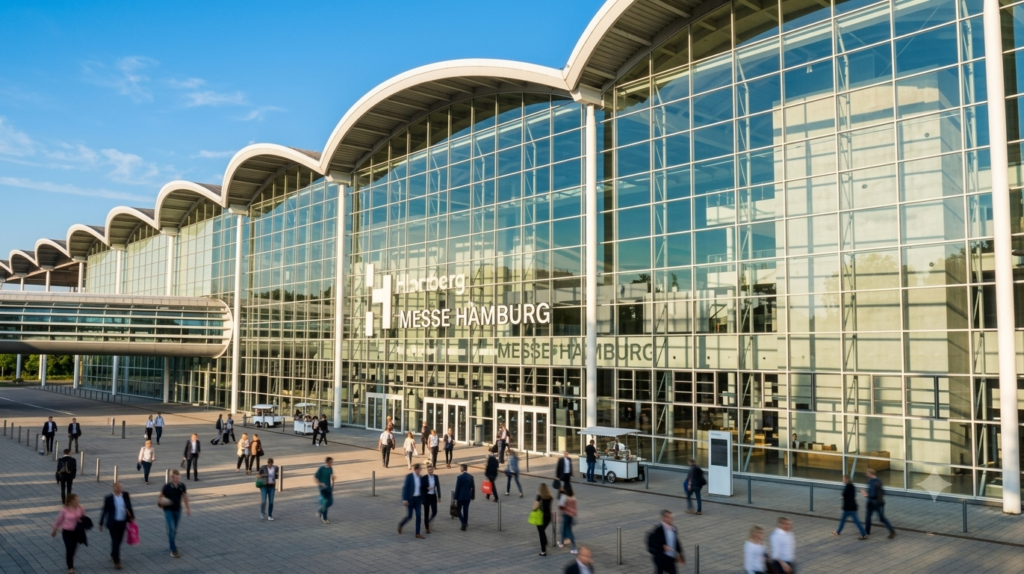
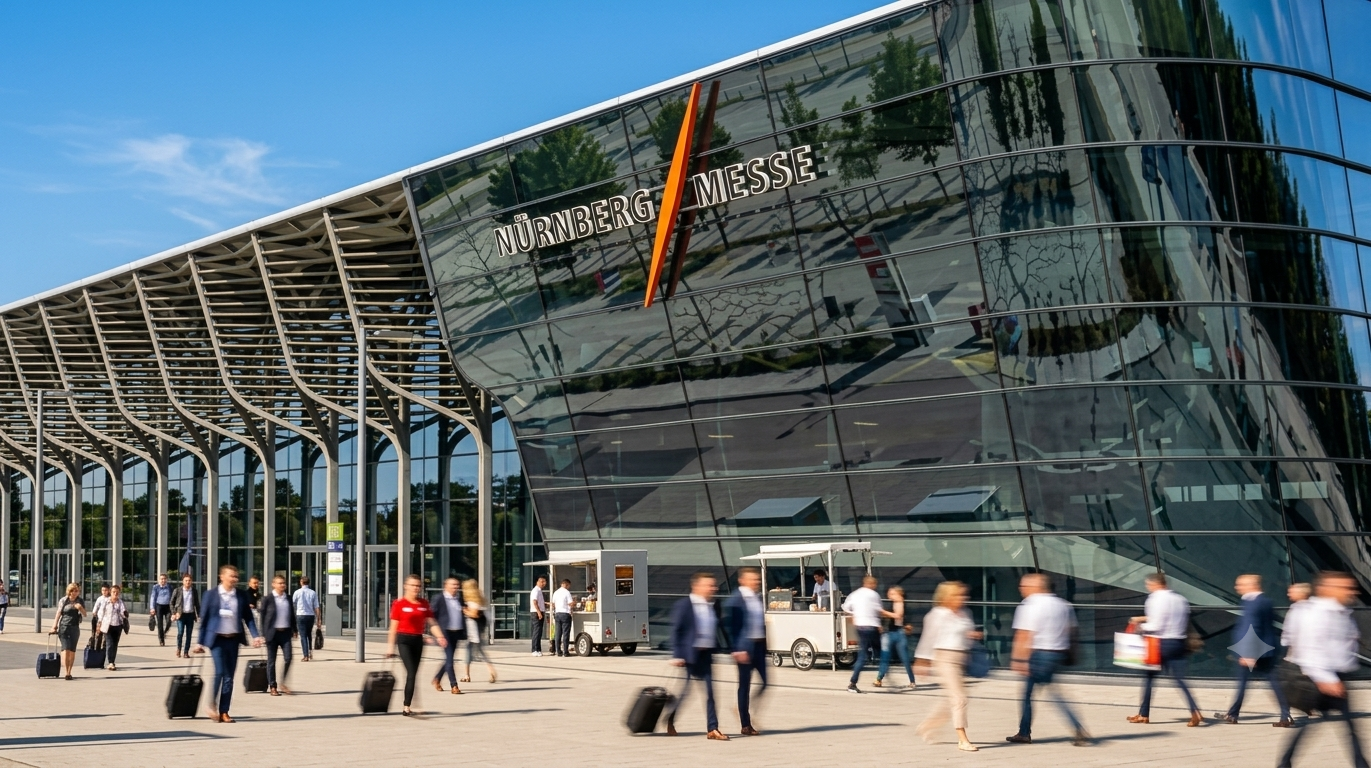
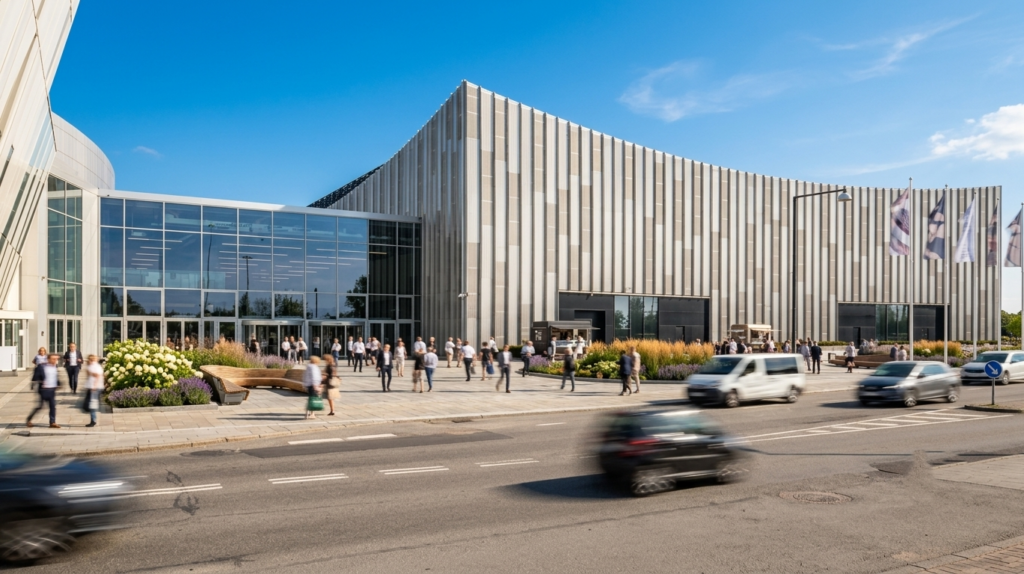
The Four Core Stakeholder Groups in the Exhibition Industry
Trade shows are built on collaboration between four primary professional groups.
Each plays a distinct role in the planning, execution and success of exhibitions.
Exhibitors: The Brands Driving Trade Show Participation
Exhibitors are the companies and organizations that participate in trade shows to present products, services and innovations to targeted audiences.
Their primary focus is business development, market visibility and lead generation.
Key areas of interest for exhibitors include:
- exhibition strategy and ROI optimization
- booth design, construction and visitor engagement
- lead generation and qualification systems
- pre-show, on-site and post-show marketing
- budget planning and performance measurement
Modern exhibitor strategy has shifted from presence-based participation to performance-driven event marketing, where measurable business outcomes define success.
Exhibitors increasingly treat trade shows as integrated sales and marketing platforms rather than isolated branding opportunities.
Organizers: The Architects of Trade Show Ecosystems
Organizers are responsible for the conception, planning and execution of trade shows, exhibitions and industry events.
They define the structure, rules and commercial framework of each event.
Their responsibilities typically include:
- event planning and scheduling
- exhibitor acquisition and management
- floorplan design and hall allocation
- marketing and visitor acquisition strategies
- operational coordination with venues and suppliers
- compliance, safety and regulatory management
Organizers operate at the center of the exhibition ecosystem, balancing the needs of exhibitors, visitors, venues and service providers.
Their success is measured by exhibitor satisfaction, visitor quality, operational efficiency and overall event performance.
Suppliers: The Operational Backbone of the Industry
Suppliers provide the physical, technical and logistical infrastructure that makes trade shows possible.
This includes a wide range of specialized service providers such as:
- exhibition stand builders and fabrication companies
- logistics and freight forwarding providers
- installation and dismantling crews
- technical service providers (lighting, AV, rigging, power)
- furniture, flooring and system suppliers
- storage and material handling providers
Suppliers operate under strict time constraints and venue regulations, often working in highly compressed installation and dismantling windows.
Their performance directly impacts the quality, timing and reliability of exhibition execution.
Without suppliers, the physical realization of trade shows would not be possible.
Industry Professionals: The Operational Workforce Behind Every Event
Industry professionals represent the skilled workforce and specialist roles that execute trade show projects on a daily basis.
This group includes:
- project managers and coordinators
- site managers and supervisors
- installation and construction crews
- logistics coordinators
- technical engineers and specialists
- venue operations teams
These professionals operate at the intersection of planning and execution.
Their expertise ensures that complex exhibition environments are delivered safely, on time and according to specification.
The industry is highly experience-driven, where practical knowledge and on-site problem solving are essential competencies.
How These Groups Work Together
The exhibition industry functions as an interconnected system where each stakeholder group depends on the others.
A typical project flow includes:
- exhibitors define goals and brand requirements
- organizers structure the event and define operational frameworks
- suppliers deliver construction, logistics and technical execution
- industry professionals coordinate and implement on-site operations
This ecosystem operates under strict deadlines, high logistical complexity and multi-layered coordination requirements.
A delay or failure in one segment directly impacts the entire event chain.
Key Industry Challenges Across All Stakeholders
Despite differing roles, all participants in the trade show ecosystem face shared challenges:
- compressed installation and dismantling timelines
- rising operational and logistics costs
- increasing demand for measurable ROI
- coordination across international teams and suppliers
- integration of digital and physical event components
- sustainability and environmental requirements
These challenges are shaping the evolution of the global exhibition industry.
The Shift Toward Performance-Driven Exhibitions
Across all stakeholder groups, the industry is experiencing a structural shift.
Trade shows are no longer viewed purely as physical events, but as performance-driven business platforms.
This shift is characterized by:
- data-driven exhibitor decision-making
- measurable lead generation and ROI tracking
- integrated marketing and sales alignment
- digital tools for event planning and execution
- continuous engagement before, during and after events
As a result, all stakeholders are increasingly required to operate with higher levels of transparency, efficiency and accountability.
A Global Network of Interconnected Expertise
The trade show industry is inherently global.
Exhibitors, organizers, suppliers and professionals operate across international markets, venues and regulatory environments.
This global structure requires:
- standardized communication frameworks
- adaptable operational processes
- cross-border logistics coordination
- shared industry terminology and best practices
- strong collaboration between all parties
TradeShowsHub exists to reflect and structure this global ecosystem through industry knowledge, operational insights and professional perspectives.