Exhibit Fabrication
What Is Exhibit Fabrication?
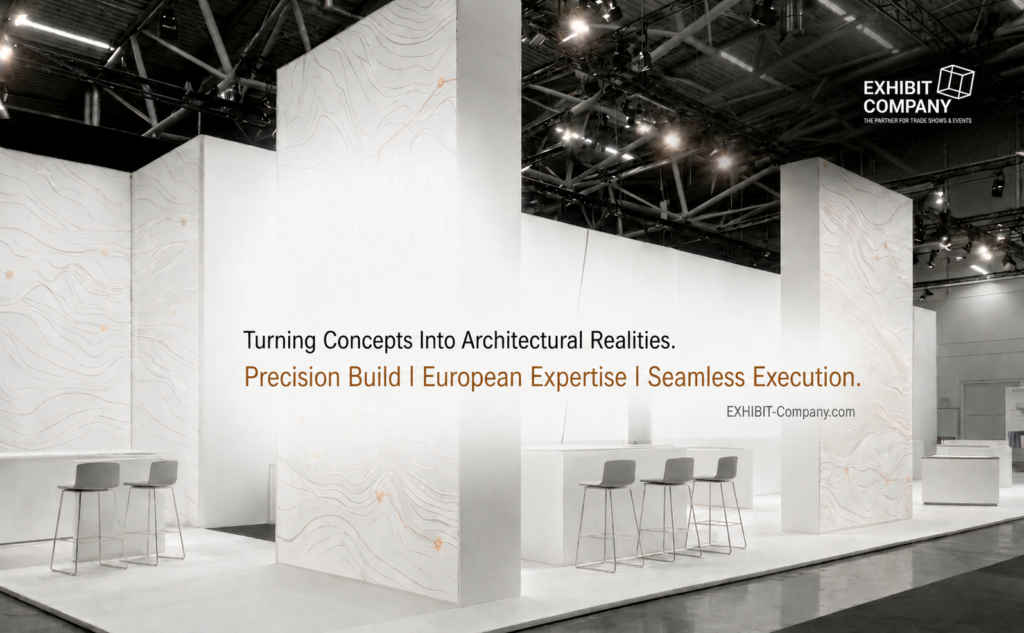
Exhibit Fabrication is the technical and production-driven process of transforming exhibition designs into fully built, physical environments used at trade shows, expos, museums, and branded events. It combines craftsmanship, engineering, material science, and production logistics to create functional, durable, and visually compelling exhibition structures.
In the trade show industry, exhibit fabrication represents the stage where concepts become tangible—where sketches, CAD drawings, and 3D renderings are converted into engineered brand environments ready for real-world visitor interaction. It is a multidisciplinary discipline that integrates woodworking, metalwork, electrical systems, graphics production, and digital technology into a unified build process.
The Role of Exhibit Fabrication in the Exhibition Lifecycle
Exhibit Fabrication sits between design development and on-site installation, acting as the production backbone of any exhibition project.
Its core purpose includes:
- Converting approved designs into buildable structures
- Selecting and processing materials for durability and safety
- Coordinating fabrication across multiple trades
- Ensuring precision, scalability, and repeatability
- Preparing components for transport and installation
In modern exhibition workflows, fabrication is not isolated manufacturing—it is a coordinated production system aligned with strict event timelines and engineering standards.
How the Exhibit Fabrication Process Works
1. Engineering Interpretation of Design Intent
The fabrication process begins with technical translation of creative design into production-ready documentation.
This includes:
- CAD drawings and construction plans
- Structural load calculations
- Material specifications and finishing details
- Electrical and AV integration schematics
At this stage, fabricators ensure that the design is not only visually correct but also structurally feasible and compliant with venue regulations.
2. Material Selection and Procurement
Material selection is critical in determining both performance and visual quality.
Common materials used in Exhibit Fabrication include:
- Aluminum modular systems for structural frameworks
- MDF, plywood, and timber for custom construction
- Acrylic, glass, and composite materials for display elements
- Fabric tension systems for lightweight branding surfaces
- Laminates, paints, and finishes for visual refinement
Each material is selected based on durability, transport efficiency, and reusability across multiple events.
3. Precision Fabrication in Workshop Environments
The core fabrication phase takes place in controlled workshop environments where components are built, tested, and pre-assembled.
Key activities include:
- CNC machining and precision cutting
- Carpentry and structural assembly
- Metal welding and extrusion work
- Graphic printing and application
- Pre-installation testing of electrical systems
This controlled production environment reduces on-site risks and ensures consistent build quality.
4. Pre-Assembly and Quality Control
Before shipping to the venue, major components are often pre-assembled to ensure accuracy.
This phase includes:
- Structural fit testing
- Electrical system validation
- Graphic alignment checks
- Surface finish inspections
- Modular breakdown verification for transport
Pre-assembly significantly reduces installation time and minimizes on-site adjustments during the critical build window.
Exhibit Fabrication in Trade Show Environments
In the trade show industry, fabrication is tightly aligned with logistical and operational constraints.
Typical requirements include:
- Strict installation deadlines (often 24–96 hour build windows)
- Compliance with venue safety regulations
- Coordination with multiple international suppliers
- Efficient packing and transport systems
- Rapid on-site assembly readiness
Exhibit fabrication is therefore not only a production process but also a time-sensitive logistics operation inside controlled event environments.
Core Components of Exhibit Fabrication
Structural Engineering and Framework Systems
The structural backbone ensures stability and safety.
Common systems include:
- Aluminum extrusion frameworks
- Timber-based custom structures
- Hybrid modular systems for scalability
Graphics and Visual Production
Graphics are a central fabrication output, transforming structure into branded communication space.
Includes:
- Large-format printed panels
- Silicone Edge Graphics (SEG) fabric systems
- Vinyl applications and decals
- Backlit and LED-integrated visuals
Electrical and Technology Integration
Modern exhibits rely heavily on integrated technology systems:
- LED lighting systems
- Interactive touchscreens
- Audio-visual installations
- Digital content displays and kiosks
These systems must be fully tested during fabrication to ensure seamless on-site performance.
Finishing and Surface Treatment
Final fabrication stages focus on visual refinement:
- Painting and coating
- Laminate application
- Edge finishing and detailing
- Branding alignment and color calibration
These elements define the perceived quality of the final exhibit environment.
Exhibit Fabrication vs. Exhibit Design
Exhibit Design
- Focuses on concept development and spatial storytelling
- Defines layout, branding, and visitor experience
- Produces visual and technical drawings
Exhibit Fabrication
- Focuses on physical production and engineering execution
- Builds all structural and visual components
- Ensures safety, durability, and installation readiness
Together, they form a complete pipeline from concept to live exhibition environment.
Challenges in Exhibit Fabrication
Tight Production Timelines
Exhibition schedules require fabrication to be completed under strict deadlines, often requiring parallel production workflows.
Complex Multi-Material Integration
Modern exhibits combine wood, metal, fabric, electronics, and digital systems—requiring coordination across multiple specialist trades.
Transport and Logistics Constraints
Fabricated components must be:
- Modular and lightweight where possible
- Protected for international transport
- Designed for repeated assembly cycles
On-Site Assembly Limitations
Despite off-site fabrication, final installation must adapt to:
- Venue restrictions
- Floor conditions
- Electrical access points
- Height and safety regulations
Sustainability in Exhibit Fabrication
Sustainability is increasingly shaping fabrication strategies.
Modern approaches include:
- Reusable modular construction systems
- Lightweight aluminum frameworks
- Recyclable graphic materials
- Reduced waste through CNC precision cutting
- Multi-event reuse strategies for long-term ROI
Sustainable fabrication reduces environmental impact while improving cost efficiency across exhibition cycles.
Technology and Innovation in Exhibit Fabrication
Modern fabrication increasingly integrates advanced technologies:
- CNC machining for precision manufacturing
- 3D modeling and digital prototyping
- Smart lighting and IoT-enabled systems
- AR/VR integration for experiential exhibits
These technologies allow for higher precision, faster production, and more immersive exhibition environments.
Future Trends in Exhibit Fabrication
Modular Reconfigurable Systems
Fabrication is shifting toward systems that can be reassembled in multiple configurations across different events.
Faster Digital-to-Production Workflows
Improved CAD/CAM integration is reducing the time between design approval and physical production.
Integrated Smart Fabrication
Future exhibits will increasingly embed electronics, lighting, and digital systems directly into structural fabrication layers.
Frequently Asked Questions (FAQ)
What is Exhibit Fabrication?
Exhibit Fabrication is the process of physically building exhibition stands and displays from approved designs using materials, engineering, and production techniques.
What is the difference between fabrication and construction in exhibitions?
Fabrication refers to off-site production of components, while construction refers to on-site assembly and installation.
How long does exhibit fabrication take?
Timelines vary depending on complexity, but typically range from several weeks for standard booths to multiple months for large custom exhibits.
What materials are used in exhibit fabrication?
Common materials include aluminum, wood, MDF, acrylic, glass, fabric systems, and various composite materials.
Is exhibit fabrication environmentally sustainable?
Yes, when using modular systems, reusable structures, and recyclable materials, exhibit fabrication can significantly reduce environmental impact.
Why is exhibit fabrication important?
Because it ensures that conceptual designs are transformed into safe, functional, and visually impactful exhibition environments that perform in real-world conditions.