3D Rendering
What Is 3D Rendering in Exhibition and Booth Design?
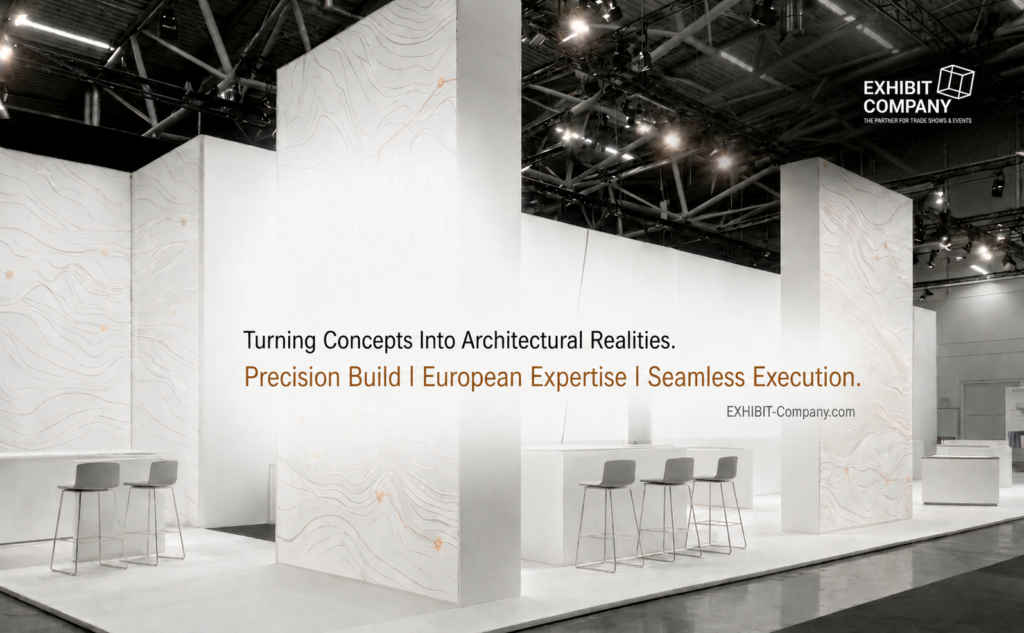
3D Rendering is the process of generating highly realistic visual representations of exhibition stands, booths, pavilions, or architectural environments using specialized computer software. It transforms technical 3D models into photorealistic images or animations that simulate lighting, materials, depth, and spatial atmosphere before anything is physically built.
In the exhibition industry, 3D Rendering functions as a critical visualization bridge between concept and execution. It allows designers, marketers, and exhibitors to preview how a booth will look and perform on the trade show floor—long before fabrication begins. As a result, 3D Rendering has become a standard tool in modern exhibit design, spatial planning, and marketing approval workflows.
At its core, 3D Rendering is not just a visual output—it is a decision-making tool for spatial experience design and brand communication.
How 3D Rendering Works in Exhibition Projects
The 3D Rendering process typically follows a structured pipeline that connects design data with visual output:
- Creation of a 3D model based on CAD or design concepts
- Application of materials such as wood, metal, fabric, or glass
- Setup of lighting conditions to simulate real exhibition halls
- Definition of camera angles and visitor perspectives
- Processing of the scene into a final rendered image or animation
This workflow enables stakeholders to evaluate design decisions in a visually accurate and emotionally realistic environment before production investment is made.
Why 3D Rendering Is Essential in Modern Exhibit Design
1. Pre-Visualisation of the Entire Booth Experience
3D Rendering allows exhibitors to see:
- Spatial layout and booth flow
- Product placement and visibility
- Lighting atmosphere and brand mood
- Visitor interaction zones
This ensures alignment between creative intent and real-world execution.
2. Faster Approval Cycles
Photorealistic renderings help stakeholders immediately understand design intent, reducing:
- Revision loops
- Misinterpretation of 2D drawings
- Delays in production approvals
The result is a significantly faster path from concept to construction.
3. Marketing and Sales Enablement
3D renders are not only technical tools—they are also high-impact marketing assets used for:
- Pre-show promotional campaigns
- Internal sales presentations
- Investor and stakeholder communication
- Digital event previews
In many cases, 3D visuals are indistinguishable from real photography, making them highly effective in pre-launch marketing strategies.
4. Cost and Risk Reduction
By simulating the final booth in advance, 3D Rendering helps identify:
- Design inconsistencies
- Spatial inefficiencies
- Material mismatches
- Structural or lighting issues
This reduces expensive on-site changes and production errors.
Core Types of 3D Rendering in Exhibitions
Photorealistic Still Renderings
Static images that show the booth from key perspectives with realistic lighting and materials. These are commonly used for approvals and marketing presentations.
360° Rendering and Interactive Views
Interactive models that allow stakeholders to rotate and explore the booth environment digitally, simulating real visitor perspectives.
Animation and Walkthrough Renders
Video-based renderings that simulate visitor movement through the booth, demonstrating flow, engagement zones, and storytelling sequences.
Real-Time Rendering
Advanced systems allow live updates to design changes, enabling immediate visualization during client review sessions.
3D Rendering in the Exhibition Workflow
3D Rendering is integrated into multiple stages of the exhibition project lifecycle:
- Concept development and ideation
- Client presentation and approval
- Engineering validation and refinement
- Marketing asset production
- Pre-build visualization for installation teams
It functions as a shared visual language across design, engineering, and marketing departments.
3D Rendering vs 3D Modeling vs CAD Design
3D Rendering
- Focus: Visual output and realism
- Purpose: Communication, presentation, and approval
- Output: Images, animations, immersive views
3D Modeling
- Focus: Geometry and structure creation
- Purpose: Building the digital framework of the booth
- Output: Editable 3D digital model
CAD Design
- Focus: Technical precision and construction documentation
- Purpose: Engineering, fabrication, and installation guidance
- Output: Technical drawings and production files
3D Rendering sits at the final visualization layer that brings CAD and modeling data to life in a realistic environment.
Strategic Value of 3D Rendering in Trade Shows
1. Enhancing Design Confidence
Stakeholders can evaluate how the booth will actually feel in a real exhibition hall environment.
2. Strengthening Brand Storytelling
Lighting, materials, and composition allow brands to communicate identity before physical production begins.
3. Improving Collaboration
Design teams, engineers, and clients can align faster because they are all viewing the same visual reference.
4. Supporting Global Exhibition Rollouts
For brands exhibiting internationally, 3D Rendering ensures consistency across multiple booth adaptations and venues.
Challenges in 3D Rendering for Exhibitions
Time-Intensive Production
High-quality photorealistic renders require significant computing power and rendering time.
Technical Complexity
Accurate rendering depends on:
- Precise 3D modeling
- Correct material definition
- Realistic lighting simulation
Risk of Over-Realism Misinterpretation
Overly perfect visuals can sometimes create expectations that differ from final physical builds if not carefully managed.
Future Trends in 3D Rendering
Real-Time Photorealistic Rendering
Advancements in GPU technology are enabling instant rendering updates during design sessions.
AI-Assisted Rendering Workflows
AI tools are increasingly being used to:
- Enhance textures
- Generate lighting setups
- Automate scene composition
Integration with VR and AR
3D renders are evolving into immersive environments where stakeholders can walk through exhibition stands virtually.
Digital Twin Exhibition Environments
Future exhibition planning will rely on digital replicas of booths that update dynamically across design and production stages.
Frequently Asked Questions (FAQ)
What is 3D rendering in exhibition design?
3D rendering is the process of creating realistic digital images or animations of exhibition booths before they are physically built.
Why is 3D rendering important for trade shows?
It allows exhibitors to visualize, approve, and optimize booth designs before production, reducing errors and improving decision-making.
What is the difference between 3D rendering and 3D modeling?
3D modeling creates the structure, while 3D rendering creates the realistic visual output of that structure.
Is 3D rendering used for marketing?
Yes, rendered visuals are widely used in marketing, presentations, and pre-event promotion.
Can 3D renders look realistic?
Yes, modern rendering techniques can produce images that are often indistinguishable from real photography.
How long does a 3D rendering take?
It depends on complexity, but high-quality exhibition renders can take from a few hours to several days per scene.